How Comprehensive Insurance Protects Against Theft and Vandalism

The National Association of Insurance Commissioners reports that comprehensive claims account for approximately 30 percent of all auto insurance claims, with an average payout of around $1,800. In states with high hail activity like Texas, Colorado, and Nebraska, that average climbs significantly — hail damage alone costs the insurance industry over $10 billion annually.
Vehicle theft adds another layer of comprehensive risk. The FBI's Uniform Crime Report shows over 1 million vehicles stolen annually in the United States, with a recovery rate of approximately 56 percent. For the 44 percent that are never recovered, comprehensive insurance pays the vehicle's actual cash value minus the deductible.
Animal collisions contribute roughly 1.9 million insurance claims per year, according to the Insurance Information Institute. The average animal collision claim exceeds $4,300, and these claims spike dramatically during deer mating season in October through December.
These statistics reveal why comprehensive coverage matters. The risks it covers are not theoretical — they are statistically common events that affect millions of drivers annually. Yet surveys consistently show that a significant percentage of drivers cannot accurately describe what comprehensive insurance covers, leading to either unnecessary coverage purchases or dangerous gaps in protection. This guide provides the complete picture.
Glass and Windshield Coverage Under Comprehensive
This is where consumers need to pay attention. Windshield and glass damage is one of the most frequently filed comprehensive claims, and it comes with state-specific rules that can significantly affect your out-of-pocket costs. Understanding these rules can save you hundreds of dollars.
How glass claims work: A cracked or broken windshield from a road hazard, flying debris, or vandalism is a comprehensive claim. The insurer covers repair or replacement up to the actual cost minus your deductible — unless your state or policy has special glass provisions.
Full glass coverage states: Several states, including Florida, Kentucky, and South Carolina, require insurers to offer or include full glass coverage with zero deductible under comprehensive. In these states, you can have your windshield replaced without paying any deductible, which makes filing the claim financially advantageous for any significant crack.
Repair vs replacement: Most insurers prefer windshield repair over replacement when the damage qualifies — small chips and short cracks can often be repaired for $50 to $150, compared to $300 to $1,000 or more for replacement. Many insurers waive the deductible entirely for repairs as an incentive to address damage before it worsens.
Calibration costs: Modern vehicles with advanced driver assistance systems require windshield recalibration after replacement. This process ensures cameras and sensors mounted near the windshield function correctly. Calibration costs typically range from $200 to $500 and should be included in your comprehensive claim — do not let the repair shop or insurer exclude this essential step.
Side and rear glass: All vehicle glass is covered under comprehensive. However, side window and rear window damage is less likely to qualify for deductible-free treatment even in full glass states, as those provisions often apply specifically to windshields.
When to Drop Comprehensive Coverage
Your rights matter here. There comes a point in every vehicle's life when comprehensive insurance costs more than it is worth. Identifying that point requires straightforward math and honest assessment of your financial situation.
The value threshold: A common rule of thumb is to drop comprehensive when your annual premium exceeds 10 percent of the vehicle's actual cash value. If your car is worth $3,000 and your comprehensive premium is $350, you are paying more than 11 percent of the vehicle's value annually — a poor return on your insurance investment.
The self-insurance test: Before dropping comprehensive, ask whether you can afford to replace your vehicle entirely out of pocket. If your car is worth $4,000 and you have adequate savings to buy a comparable replacement without financial hardship, self-insuring may be the smarter choice. If losing the vehicle would leave you unable to get to work, comprehensive coverage provides essential financial protection regardless of the math.
The risk assessment: Even if the math favors dropping coverage, consider your local risk environment. If you live in an area with frequent hail, high vehicle theft rates, or regular flooding, the probability of a comprehensive loss is higher and the coverage may be worth retaining longer than the simple math suggests.
Partial reduction strategy: Rather than dropping comprehensive entirely, consider raising your deductible significantly. Moving to a $1,000 or $2,500 deductible on an older vehicle dramatically reduces your premium while maintaining coverage against catastrophic comprehensive losses. This middle-ground approach works well for vehicles in the $5,000 to $10,000 value range.
Annual review: Revisit the drop decision annually. As your vehicle's value declines, the break-even point shifts. A coverage that made sense last year may not make sense this year, and checking the math takes only a few minutes.
Falling Objects and Comprehensive Coverage
This is where consumers need to pay attention. Damage from objects falling onto your vehicle is a covered comprehensive peril. This category encompasses a wider range of events than most drivers realize, and understanding it helps you identify comprehensive claims you might otherwise overlook.
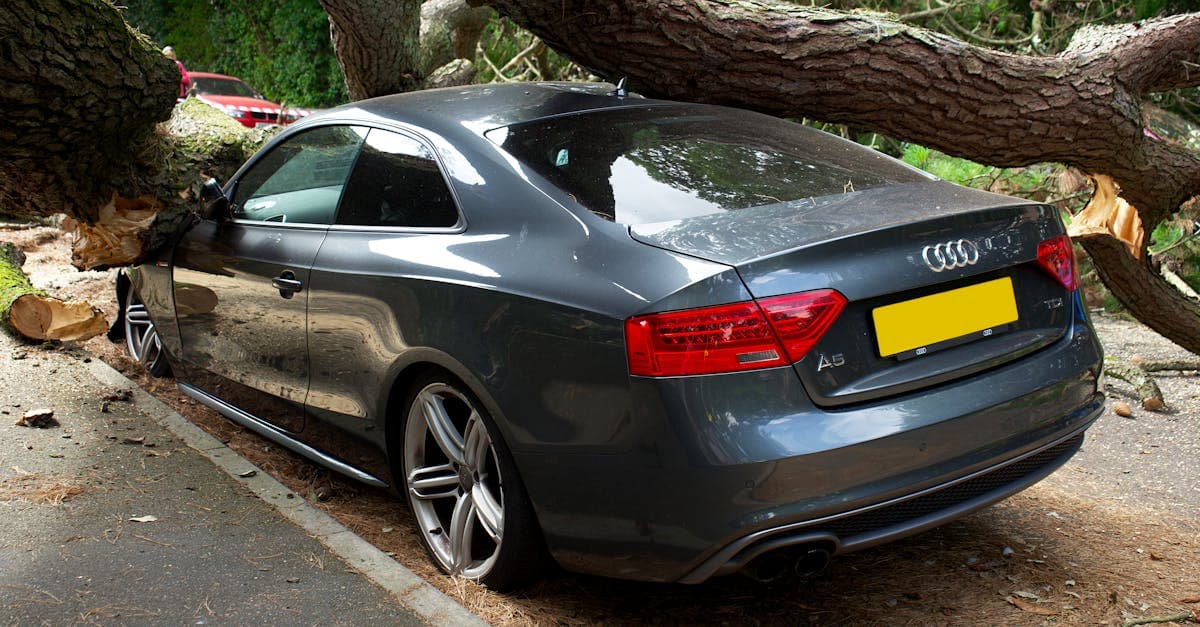
Tree damage: Branches, limbs, and entire trees falling on vehicles are among the most common falling object claims. Whether the tree falls due to a storm, disease, or simple age, the damage to your vehicle is a comprehensive claim. You do not need to prove the tree was diseased or the property owner was negligent — comprehensive covers the vehicle damage regardless of fault.
Construction debris: Objects falling from construction sites, bridges under repair, or buildings being demolished can cause significant vehicle damage. Your comprehensive coverage pays for this damage. If the responsible party is identifiable, your insurer may pursue subrogation to recover costs from the construction company's liability insurance.
Road debris and cargo: Items that fall from other vehicles — unsecured loads, truck tire treads, construction materials — and strike your vehicle are comprehensive claims when the object falls onto your vehicle. However, if you drive into debris already on the road surface, that may be classified as a collision. The distinction depends on whether the object struck your vehicle from above or you struck the object on the ground.
Aircraft debris: The extremely rare event of debris falling from aircraft onto your vehicle is covered under comprehensive. This includes both civilian and commercial aircraft incidents.
Ice and snow from structures: Large chunks of ice or accumulated snow falling from buildings, overpasses, or other structures onto your vehicle constitute comprehensive claims. In urban areas during winter, this is a more common occurrence than many drivers realize, and it can cause significant roof and hood damage.
Civil Unrest and Comprehensive Auto Insurance
Your rights matter here. Vehicles damaged during protests, riots, or civil disturbances are covered under comprehensive insurance. This coverage has received increased attention in recent years as civil unrest events have affected vehicles in urban areas across the country.
What is covered: Comprehensive insurance covers vehicle damage from riots, civil commotion, and vandalism associated with protests or disturbances. This includes broken windows, fire damage, dents and body damage from thrown objects, graffiti, and theft that occurs during the event.
Claims process during unrest: Filing a comprehensive claim after civil unrest follows the standard process — document damage, file a police report, and contact your insurer. However, large-scale events may create claim backlogs. Adjusters handling hundreds of claims simultaneously may take longer to process your claim. Document your damage thoroughly and be patient with the timeline.
Coverage limitations: While comprehensive covers the vehicle damage, it does not cover personal property inside the vehicle or medical expenses. If you are injured during a civil unrest event, medical payments coverage or health insurance applies — not comprehensive. Personal property is covered under homeowners or renters insurance.
Prevention during known events: When civil unrest is anticipated in your area, move your vehicle to a safer location if possible. Park away from areas where events are concentrated. If you cannot move the vehicle, park in a garage or covered structure. These preventive steps can avoid the claim entirely.
Rate impact of civil unrest claims: Civil unrest damage is an external, uncontrollable event, and most insurers treat these comprehensive claims with minimal rate impact — similar to weather damage. However, if your vehicle is repeatedly damaged in multiple events, the insurer may consider the pattern when determining your premium.
How Comprehensive Covers Theft and Vandalism
Your rights matter here. Vehicle theft and vandalism are among the most common reasons drivers file comprehensive claims. Understanding how the coverage works in these situations helps you respond effectively when criminals target your vehicle.
Total vehicle theft: If your vehicle is stolen and not recovered, comprehensive insurance pays you the vehicle's actual cash value minus your deductible. The insurer typically allows a waiting period — usually 30 days — before settling a total theft claim, giving law enforcement time to recover the vehicle. If the vehicle is recovered during this period, the insurer covers any damage sustained during the theft.
Partial theft and break-ins: If thieves break into your vehicle to steal parts — catalytic converters, wheels, airbags, or electronics — comprehensive covers the stolen components and the damage caused during the theft. Window breakage, door lock damage, and ignition damage are all included in the claim.
Vandalism claims: Keyed paint, slashed tires, broken mirrors, graffiti, and smashed windows from vandalism are comprehensive claims. You will need to file a police report, which most insurers require before processing a vandalism claim. Document all damage thoroughly with photographs before beginning any cleanup or temporary repairs.
Catalytic converter theft: This specific type of partial theft has surged dramatically, with replacement costs ranging from $1,000 to $3,000 or more. Comprehensive covers the replacement, but the frequency of these claims has led some insurers to adjust deductibles or premiums in high-theft areas. Installing a catalytic converter shield can both prevent theft and potentially lower your comprehensive premium.
Comprehensive Insurance and Total Loss Declarations
This is where consumers need to pay attention. When comprehensive damage costs more to repair than your vehicle is worth, the insurer declares a total loss. Understanding how total loss works under comprehensive coverage protects your financial interests during one of the most stressful claims experiences.
Total loss threshold: Most states define a total loss when repair costs exceed a certain percentage of the vehicle's actual cash value — commonly 70 to 80 percent. Some states use a total loss formula that also considers the salvage value. Once the damage crosses this threshold, the insurer pays you the vehicle's value rather than repairing it.
Actual cash value calculation: The insurer determines your vehicle's actual cash value using its year, make, model, mileage, condition, and local market data. They typically reference valuation services and recent comparable sales. If you believe the valuation is too low, you can challenge it with evidence of comparable vehicles selling for more in your area.
What you receive: The total loss payout equals your vehicle's actual cash value minus your deductible. If your vehicle's ACV is $15,000 and your deductible is $500, you receive $14,500. Taxes, registration fees, and sometimes dealer fees may be added depending on your state and policy.
The gap problem: If you owe more on your vehicle loan than the insurer's ACV payout, you are responsible for the difference. This is called being upside down on your loan, and it is where gap insurance becomes critical. Gap coverage pays the difference between the ACV payout and your remaining loan balance.
Salvage rights: After a total loss, the insurer takes possession of the vehicle. In some states, you can buy back the salvage for a reduced amount, but the vehicle will receive a salvage title that permanently affects its value and insurability. Buying back salvage rarely makes financial sense unless you can perform repairs yourself.
Comprehensive Insurance for Leased Vehicles
Your rights matter here. Leasing a vehicle comes with specific comprehensive insurance requirements that you must meet throughout the lease term. Failure to comply can result in penalties, forced-placed insurance, and lease default consequences.
Lease agreement requirements: Every lease agreement specifies minimum insurance requirements including comprehensive coverage with a maximum deductible — typically $500 or $1,000. The leasing company is listed as the loss payee on your policy, meaning the insurer sends claim payments to them rather than to you. Review your lease agreement carefully to understand the exact requirements.
Why lessors require comprehensive: The leasing company owns the vehicle. You are paying for the right to use it, but the financial risk of total loss falls on the owner. Comprehensive insurance ensures that if the vehicle is stolen, flooded, or destroyed by a covered event, the leasing company receives payment for their asset.
Gap coverage and leasing: Leased vehicles frequently have a gap between the vehicle's actual cash value and the remaining lease payments plus fees. Many lease agreements include gap coverage or require you to purchase it separately. Without gap coverage, a comprehensive total loss could leave you owing thousands to the leasing company even after the insurance payout.
End-of-lease considerations: As your lease approaches its end, you may be tempted to reduce coverage or raise deductibles. Resist this temptation — your lease requirements remain in effect until you return the vehicle. Violating insurance requirements in the final months can trigger penalties and affect your ability to lease again.
Returning a damaged vehicle: Comprehensive damage that you choose not to claim — perhaps because it falls below your deductible — can affect your end-of-lease charges. The leasing company will assess wear and tear at return, and unrepaired comprehensive damage may be charged as excess wear. Documenting that damage was from a covered event can sometimes help negotiate these charges.
Rodent Damage and Comprehensive Insurance
This is where consumers need to pay attention. Rodent damage to vehicles has become a surprisingly common comprehensive claim, costing vehicle owners hundreds of millions of dollars annually. Mice, rats, squirrels, and other small animals chew through wiring, hoses, and insulation, causing damage that ranges from minor to catastrophic.
What rodents damage: The most common rodent damage involves wiring harnesses, which contain soy-based insulation coatings that attract animals. A single rodent can chew through critical engine wiring in one night, disabling the vehicle and requiring expensive harness replacement. Rodents also damage hoses, belts, air filters, cabin air filters, and interior insulation.
Comprehensive coverage for rodent damage: Most comprehensive policies cover rodent damage because it falls under the broad category of animal-related damage. However, some policies specifically exclude vermin or pest damage, so reviewing your policy language is important. If your policy covers rodent damage, the claim process is the same as any other comprehensive claim.
Repair costs: Rodent damage repairs range from $100 for minor wire repairs to $5,000 or more for extensive harness replacement. Engine compartment wiring harnesses are particularly expensive because they are complex and labor-intensive to replace. Multiple damaged wires can require replacing the entire harness rather than repairing individual connections.
Prevention strategies: Park in well-lit areas and keep the engine compartment clean. Rodent deterrent tape with capsaicin coating is available from several vehicle manufacturers. Electronic ultrasonic deterrent devices may help. Remove food sources near parking areas and inspect your engine compartment regularly for signs of nesting material, droppings, or chew marks.
Recurring claims concern: If you file multiple rodent damage claims, your insurer may increase your premium or suggest the underlying rodent problem needs to be addressed at its source. Demonstrating that you are taking preventive measures can help with insurer relations and potentially mitigate rate increases.
What the Numbers Tell Us About Comprehensive Coverage
The statistics make a compelling case for comprehensive insurance on vehicles worth protecting. With average comprehensive claim payouts around $1,800 and annual premiums often between $150 and $400, the coverage delivers meaningful financial protection at a reasonable cost.
The data also reveals where comprehensive coverage falls short of its potential. Too many drivers carry deductibles that are either too high for their financial comfort or too low for cost efficiency. Too few drivers review their comprehensive coverage as their vehicles age and depreciate. And too many drivers in high-risk areas for weather or theft skip comprehensive to save on premiums, exposing themselves to losses they cannot afford.
The data-driven approach is straightforward. Carry comprehensive on any vehicle whose loss would create financial hardship. Set your deductible at the highest level you can comfortably absorb from savings. Take advantage of anti-theft and garaging discounts. And recalculate the coverage-to-value ratio annually to ensure your comprehensive premium remains a smart investment for the protection it provides.
Continue reading

The Apples-to-Apples Guide to Comparing Insurance Quotes
Insurance quotes vary widely because they cover different things in different ways. Making an accurate comparison requires matching coverage limits, deductibles, and endorsements before looking at price.

Life Events That Should Trigger an Immediate Policy Review
Marriage, a new baby, a home purchase, retirement, and other major life events change your insurance needs overnight. Knowing which events require immediate review prevents dangerous coverage gaps.

How Assignment of Benefits Works in Homeowners Insurance Claims
When you sign an AOB, your contractor deals directly with your insurer and can even sue on your behalf. Learn how this process works and what it means for your homeowners claim.