Insurance Insights & Guidance
Claim the Policy
Empowering policyholders to understand, challenge, and maximize their insurance claims.

The Apples-to-Apples Guide to Comparing Insurance Quotes
Insurance quotes vary widely because they cover different things in different ways. Making an accurate comparison requires matching coverage limits, deductibles, and endorsements before looking at price.

More Stories
Life Events That Should Trigger an Immediate Policy Review
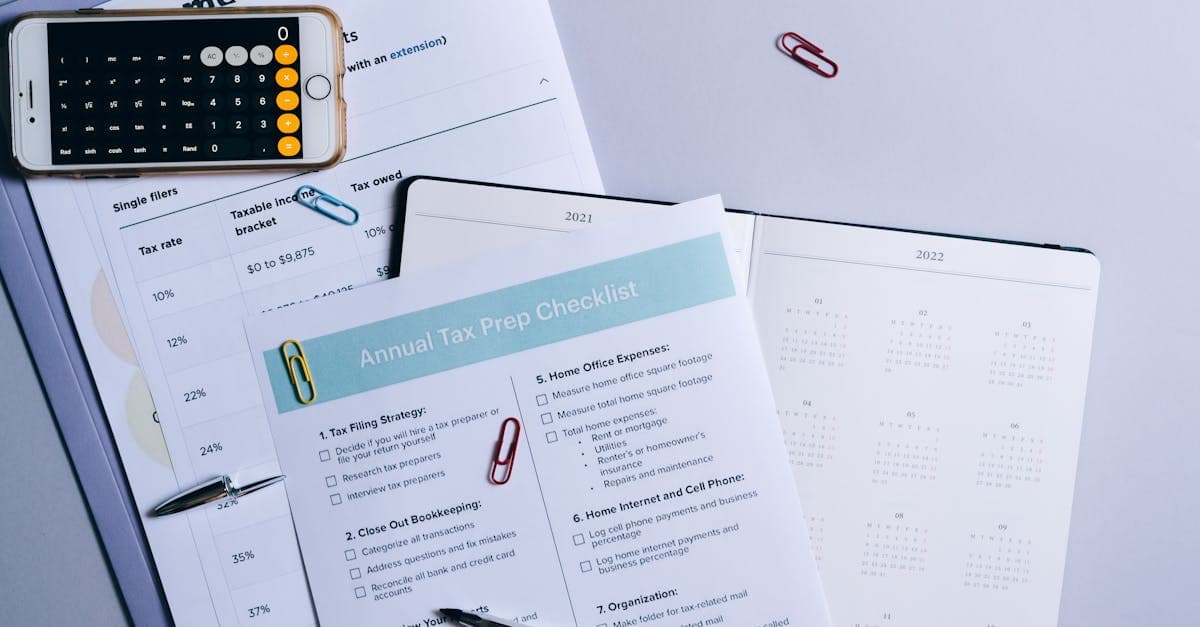
Marriage, a new baby, a home purchase, retirement, and other major life events change your insurance needs overnight. Knowing which events require immediate review prevents dangerous coverage gaps.

How Assignment of Benefits Works in Homeowners Insurance Claims
When you sign an AOB, your contractor deals directly with your insurer and can even sue on your behalf. Learn how this process works and what it means for your homeowners claim.

Why Your Insurance Claim Is Taking So Long and What You Can Do About It
Claim delays are frustrating but often preventable. Understanding the common causes of slow claims processing empowers you to take action and keep your settlement moving forward.

Why Preparation Before Filing a Claim Matters More Than You Think
The actions you take in the hours and days before filing an insurance claim can determine whether you receive a full settlement or face a frustrating denial. Preparation is the foundation of a successful claim.

Not Comparing Quotes: The Life Insurance Mistake That Costs Thousands
Life insurance premiums vary significantly between carriers for identical coverage. Failing to compare quotes from multiple insurers can cost you hundreds or thousands of dollars over the life of your policy.
Guaranteed vs Non-Guaranteed Values in Life Insurance Illustrations
The most important distinction in any life insurance illustration is between guaranteed values that the insurer must deliver and non-guaranteed projections that depend on future performance.

How to Prepare for Your Life Insurance Medical Exam
Preparing for a life insurance medical exam involves fasting, staying hydrated, avoiding strenuous exercise, and getting a good night's sleep. Simple preparation can improve your results.

How Medical Underwriting Determines Whether Your Life Insurance Gets Approved
Medical underwriting examines your health history, current conditions, medications, and lab results to assess your risk level. Understanding this process reveals why some applications are approved, rated, or denied.

Whole Life Insurance Loans: Accessing Your Cash Value When You Need It
Whole life insurance policies accumulate cash value that serves as collateral for policy loans. These loans offer unique advantages including no credit checks, flexible repayment, and competitive interest rates.

Cash Value vs Death Benefit: Understanding Both Components of Permanent Life Insurance
Permanent life insurance provides two financial components — a death benefit for your beneficiaries and a cash value you can access while alive. Knowing how they interact is essential for effective policy management.

Death Benefit Payout Options: Lump Sum, Installments, and Other Choices
Your beneficiaries can receive the death benefit as a lump sum, structured installments, an annuity, or retained by the insurer earning interest. Each option has different financial implications.

The Probate Problem: Why Missing Beneficiaries Delay Life Insurance Payouts
Life insurance with no beneficiary must pass through probate. This court-supervised process can take months or years and reduces the amount your family ultimately receives.

Primary vs Contingent Beneficiaries: Why You Need Both
Primary beneficiaries receive your death benefit first, but contingent beneficiaries step in if primaries cannot collect. Naming both levels creates a safety net that ensures your life insurance always reaches someone you trust.

How Marriage Changes Your Life Insurance Beneficiary Needs
Getting married creates a new financial dependent who should typically be your primary beneficiary. Updating your designation after marriage ensures your spouse receives the death benefit if something happens to you.

The Most Common Life Insurance Beneficiary Mistakes and How to Avoid Them
From naming your estate as beneficiary to forgetting to update after divorce, beneficiary mistakes can derail your life insurance plan. Learn the errors that cost families thousands and how to prevent them.

Life Insurance and Your Mortgage: Matching Coverage to Your Biggest Debt
The simplest approach to mortgage protection is a term life policy with a death benefit equal to or greater than your mortgage balance. This ensures full payoff if you die during the loan term.

Life Insurance Without Kids: Who Actually Benefits From Your Policy?
Your life insurance beneficiaries do not have to be children. A surviving spouse, domestic partner, aging parent, sibling, charity, or business partner can all benefit from your coverage.

How Whole Life Insurance Works and Why It Costs More
Whole life insurance provides permanent death benefit protection with level premiums, guaranteed cash value growth, and potential dividends. The higher cost reflects lifetime coverage and a built-in savings component.

Understanding the Cash Value Component of Universal Life Insurance
Universal life policies build cash value from premium payments after cost-of-insurance charges are deducted. This cash value earns interest at rates set by the insurer and can be accessed through loans or withdrawals.

Whole Life vs Term Life Insurance: Which Is Right for You?
Term life covers a specific period while whole life provides permanent protection with cash value growth. Comparing costs, benefits, and use cases helps you determine which type matches your financial goals.

10-Year Term Life Insurance: When Short-Term Coverage Makes Sense
A ten-year term life policy provides affordable coverage for a specific short-term need. It works well for covering a specific debt, a business obligation, or a temporary financial exposure.

Why the 10x Salary Rule for Life Insurance Is Often Wrong
The common advice to carry ten times your salary in life insurance oversimplifies a complex calculation. Your actual needs depend on debts, dependents, lifestyle, and existing resources.

Protecting Your Family From Financial Ruin After Your Death
Without life insurance, a family that loses its primary earner faces an immediate income crisis. Mortgage payments continue, children need care, and daily expenses do not stop because a paycheck did.

How Life Insurance Protects Your Family's Financial Future
Life insurance replaces your income when you die, ensuring your family can pay the mortgage, cover daily expenses, and maintain their standard of living without your paycheck.

NFIP Contents-Only Flood Insurance for Renters Explained
The National Flood Insurance Program offers contents-only policies specifically for renters. These policies cover personal belongings up to $100,000 against flood damage at premiums that are often surprisingly affordable.

What Your Condo Association's Flood Policy Does and Does Not Cover
Your condo association may carry a Residential Condominium Building Association Policy, but this master policy has limits that leave individual unit owners responsible for their own contents and improvements.
Flood Insurance Outside High-Risk Zones: The Numbers That Change Minds
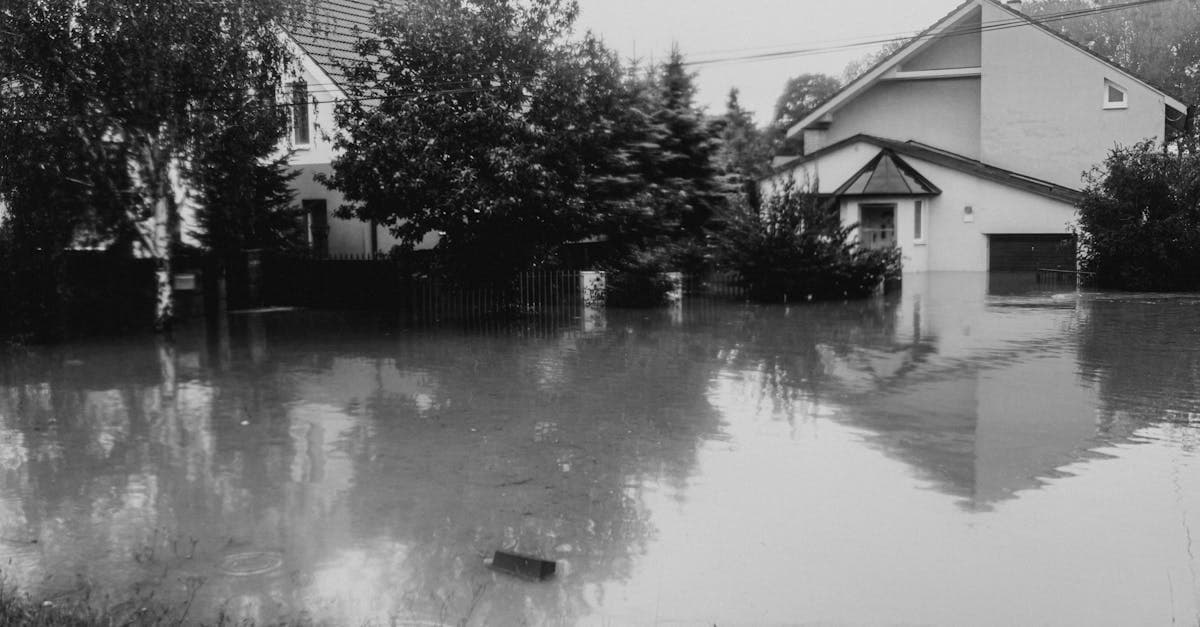
Statistics show that homes outside high-risk flood zones file more than one in four flood insurance claims. Understanding these numbers reveals why voluntary flood insurance is a smart financial decision.

Can Your Hurricane Deductible Hit You Twice in One Season?
In most states outside Florida, hurricane deductibles apply per storm event, not per calendar year. A busy hurricane season with multiple landfalls could require you to satisfy your deductible more than once.

Does Your Hurricane Deductible Apply to Every Windstorm?
No. Your hurricane deductible applies only to wind damage from officially declared hurricanes. Regular windstorms, thunderstorms, and most tropical storms typically trigger your standard deductible instead.

The Difference Between Your Regular Deductible and Your Hurricane Deductible in Florida
Florida policies carry two deductibles — a regular deductible for everyday claims and a separate hurricane deductible that is typically much higher. Understanding this distinction prevents costly surprises after a storm.

How Your Hurricane Deductible Is Calculated: Percentage of Dwelling Coverage
A hurricane deductible is typically 2 to 5 percent of your Coverage A dwelling limit. On a $400,000 home, a 2 percent hurricane deductible means you pay $8,000 before insurance covers wind damage.

Why Your Homeowners Policy Covers Wind Damage but Not Flood Damage
Standard homeowners insurance covers wind damage as a named peril but specifically excludes flood damage. Flood protection requires a separate policy through NFIP or a private insurer.

Two Policies, One Home: Why You Need Both Flood and Homeowners Insurance
Homeowners insurance handles fire, theft, and internal water damage while flood insurance covers rising water from outside. Together they provide the complete water damage protection that neither offers alone.

Flood Insurance Exclusions That Surprise Most Homeowners
Many homeowners assume flood insurance covers all flood-related losses. In reality, NFIP policies exclude temporary housing costs, vehicles, outdoor property, and several other categories that add up quickly after a flood.

Flood Insurance Contents Coverage: What Personal Property Is Included
Contents coverage under a flood policy protects personal belongings including furniture, clothing, electronics, and appliances. Understanding the limits and exclusions helps you set the right coverage amount.

Florida Homeowners: Why Flood Insurance Should Be on Everyone's Radar
Florida homeowners face flood risk from hurricanes, tropical storms, afternoon thunderstorms, and failing drainage systems. Regardless of your flood zone, understanding your exposure is essential.

Who Is Required to Carry Flood Insurance in Florida?
If your Florida property is in a FEMA-designated high-risk flood zone and you have a federally backed mortgage, flood insurance is mandatory. But even without a requirement, Florida's flood risk makes it critical.
The National Flood Insurance Program: How NFIP Works for Homeowners
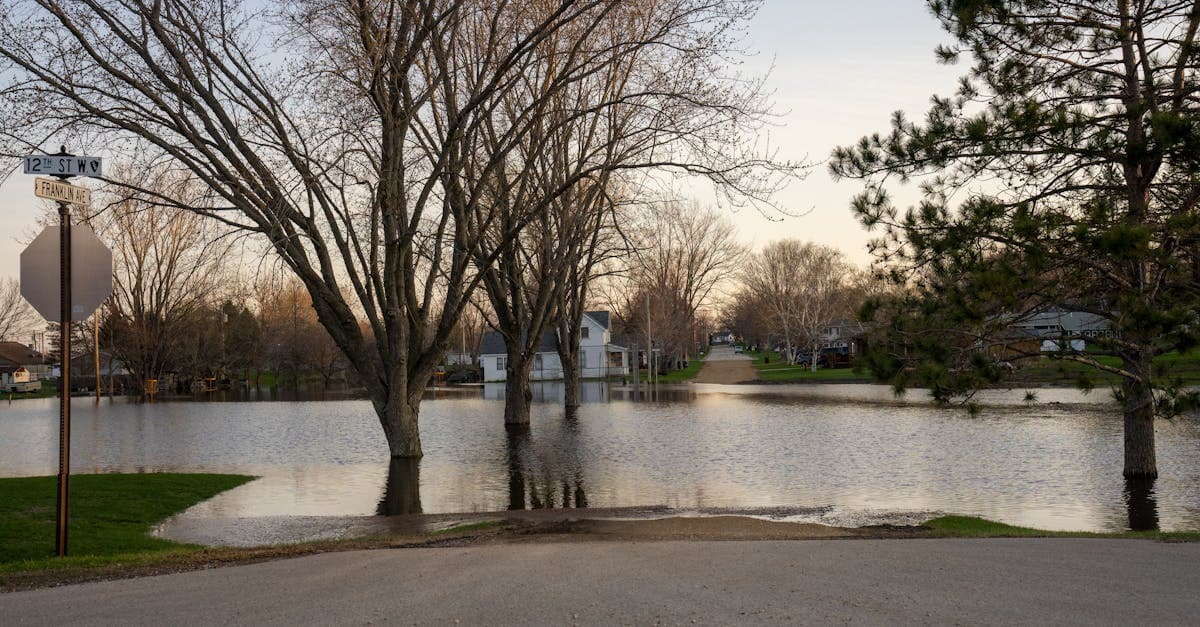
The NFIP is a federal program managed by FEMA that provides flood insurance to homeowners in participating communities. It offers standardized coverage with set limits and is available regardless of your flood zone.
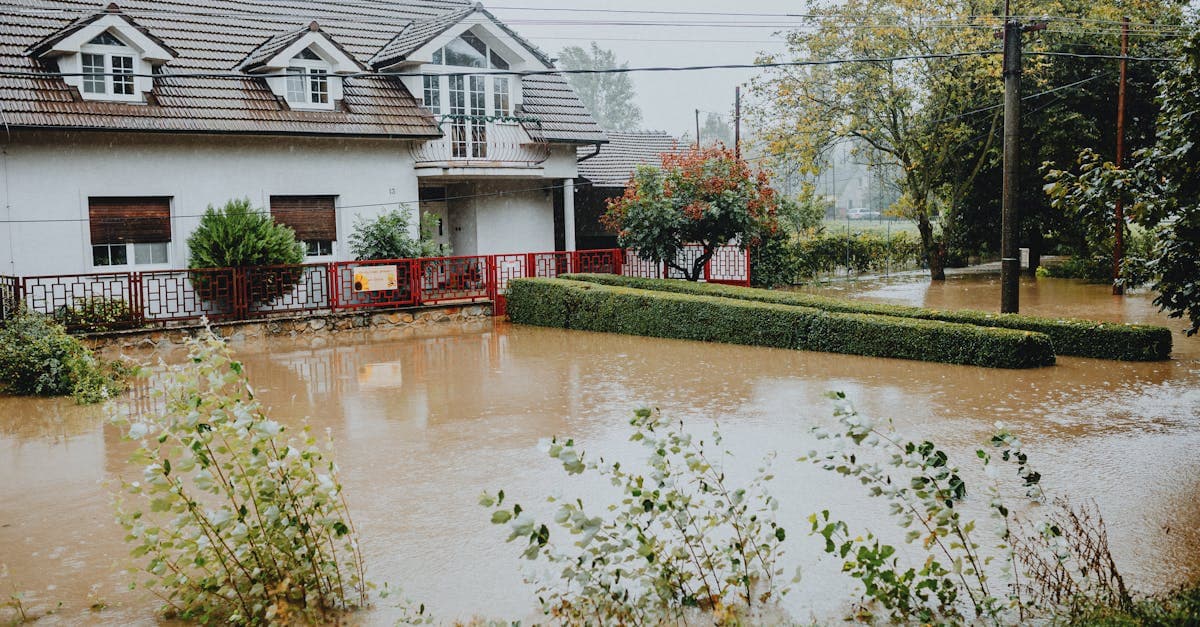
Flood Damage vs Water Damage: Why Your Homeowners Policy Treats Them Differently
Your homeowners insurance covers burst pipes and accidental overflows but excludes flood damage from external water. The distinction between covered water damage and excluded flood damage is critical for every homeowner.

Hurricane Deductibles in Florida: The Question Every Homeowner Must Ask
Florida hurricane deductibles work differently than standard deductibles. Understanding how percentage-based hurricane deductibles are calculated prevents sticker shock when you file a wind damage claim.

Does a New Roof Affect Your Homeowners Insurance Premium?
A new roof can lower your homeowners insurance premium by reducing the insurer's risk. Newer roofing materials, impact-resistant shingles, and modern installation techniques all qualify for potential discounts.

The Declarations Page Explained: Your Homeowners Policy at a Glance
The declarations page condenses your entire homeowners policy into one or two pages. It shows who is insured, what is covered, how much coverage you carry, and what you pay for it.

Why Keeping Receipts Can Save Your Home Insurance Claim
Receipts provide proof of purchase and value for personal property claims. Without them, insurers rely on depreciated estimates that often fall far short of what you actually paid for your belongings.
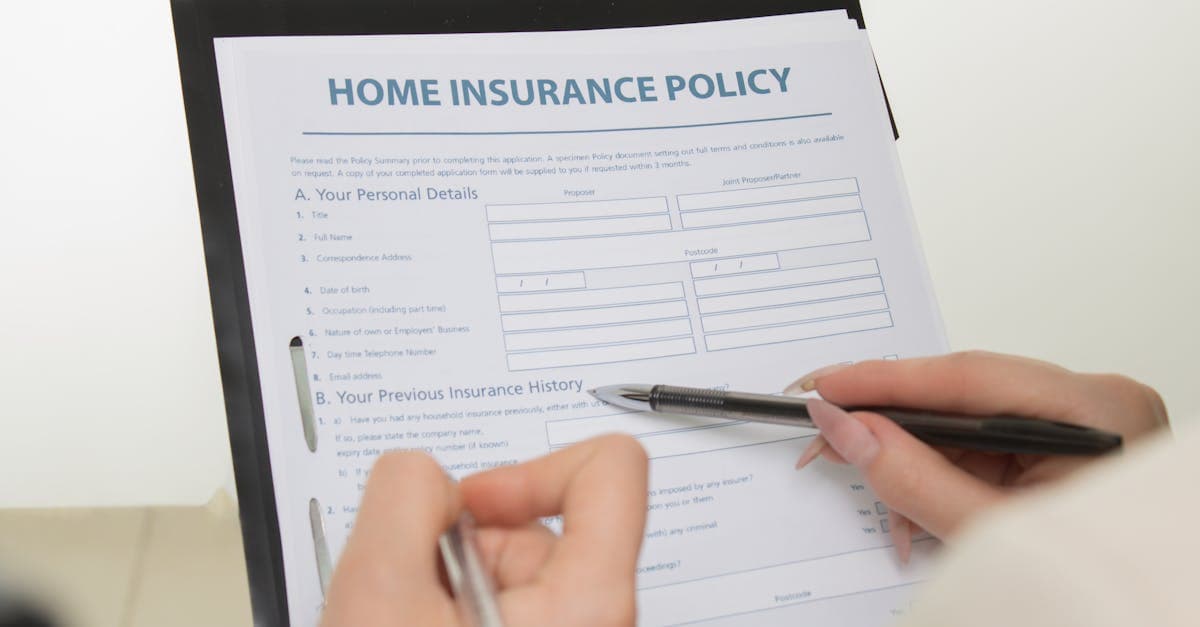
Understanding Your Right to Cancel Homeowners Insurance Mid-Term
Every homeowners insurance policyholder has the legal right to cancel their policy at any time. Knowing how cancellation works, what refund to expect, and how to avoid gaps empowers you to make the switch confidently.

Why You Should Never Auto-Renew Your Homeowners Insurance Without Reviewing It
Auto-renewal is convenient, but it allows coverage gaps, premium increases, and endorsement changes to slip through unnoticed. A proactive review before renewal catches problems while you can still fix them.

How Inflation and Rising Construction Costs Increase Your Homeowners Premium
When lumber, roofing materials, and labor costs rise, your insurer's expected claim payouts increase proportionally. These higher replacement costs translate directly into higher premiums for homeowners.

Flat Dollar vs Percentage Deductibles: What Every Homeowner Should Know
Some home insurance policies use flat dollar deductibles while others use percentage-based deductibles tied to your dwelling coverage limit. The type you have dramatically affects your out-of-pocket costs.

How to Determine the Right Personal Property Coverage for Your Home
Personal property coverage protects your belongings — furniture, electronics, clothing, and more — up to a percentage of your dwelling limit. Understanding whether that default percentage covers your actual possessions prevents gaps you discover only after a loss.

ACV vs Replacement Cost in Homeowners Insurance: The Critical Difference
The gap between actual cash value and replacement cost coverage can mean the difference between rebuilding your life and scrambling to cover a massive shortfall. Know which one your policy uses.

How Replacement Cost Coverage Protects Your Dwelling After a Major Loss
When fire, wind, or another covered peril damages your home, replacement cost coverage pays what it actually costs to rebuild at today's prices. Without it, depreciation reduces your settlement significantly.

How Much Personal Property Coverage Do You Actually Need?
Your personal property coverage should reflect the total replacement cost of everything you own. Most homeowners significantly underestimate the value of their belongings.
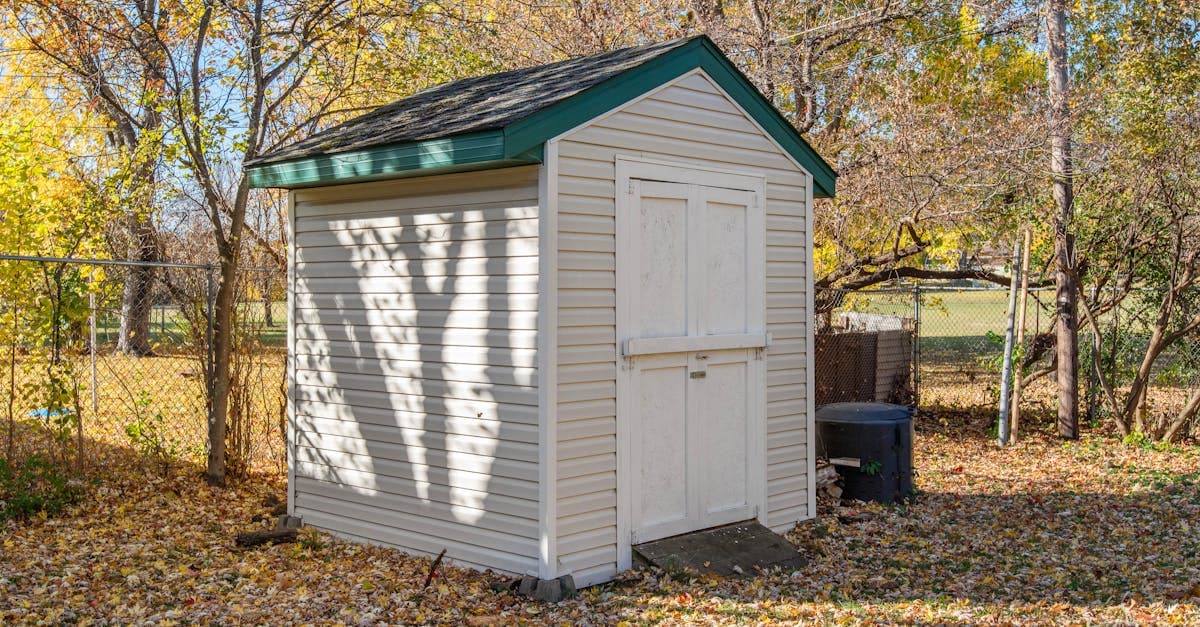
How Much Other Structures Coverage Do You Need on Your Homeowners Policy?
Your other structures coverage is typically set at 10 percent of your dwelling limit. For many homeowners, this default amount is not enough to cover all detached buildings on their property.

How Much Dwelling Coverage Do You Actually Need on Your Homeowners Policy?
Your dwelling coverage limit should equal the full cost to rebuild your home from the ground up. Understanding how to calculate this amount prevents dangerous underinsurance.

How Loss of Use Coverage Pays for Temporary Housing After a Disaster
When fire, storm, or water damage forces you out of your home, loss of use coverage pays for hotels, rental homes, and other temporary housing. Here is how the coverage actually works.

Understanding the Liability Section of Your Homeowners Insurance
The liability portion of your homeowners policy does more than most people realize. Learn what it covers, what it excludes, and how much you actually need.

What Happens If Your Belongings Are Stolen While Traveling?
Theft during travel is one of the most common off-premises claims. Your homeowners insurance may cover stolen luggage, electronics, and personal items far from home.
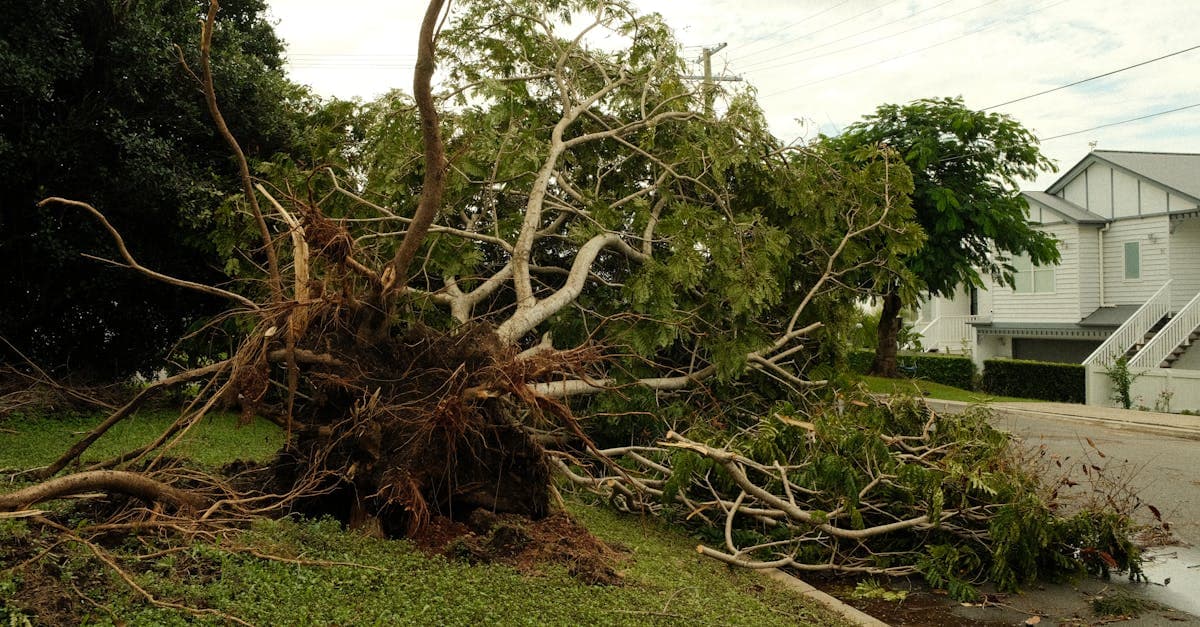
Tree Falls on Your Fence: Insurance Coverage Explained
Fences damaged by fallen trees are covered under other structures on your homeowners policy. Knowing the limits and deductibles helps you file an effective claim.

Hail Damage to Your Home: How Insurance Claims Work
Hailstorms cause billions in residential damage every year. Knowing how your homeowners policy handles hail claims protects you from unexpected out-of-pocket costs.

Sudden vs Gradual Water Damage: Why It Matters for Insurance
Your homeowners policy treats sudden plumbing failures differently from gradual leaks. This distinction determines whether your claim is approved or denied.

When Your Homeowners Policy Pays for Mold Remediation
If mold results from a covered peril like a burst pipe, your policy may cover remediation. Knowing which triggering events qualify is essential for every homeowner.
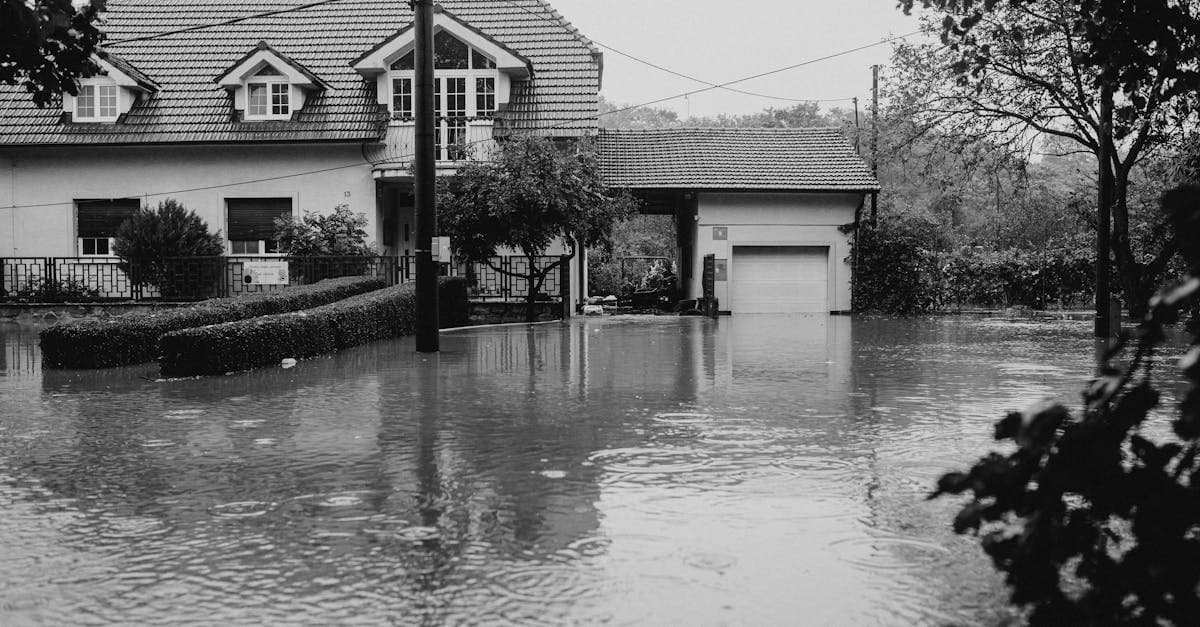
Burst Pipe Water Damage: How Your Homeowners Insurance Responds
A burst pipe is one of the most common covered water damage events under homeowners insurance. Knowing how your policy handles burst pipes helps you act fast and file a successful claim.

Storm Damage Roof Leaks: How Your Homeowners Policy Responds
When a storm damages your roof and water pours in, your homeowners insurance typically covers both the roof repair and the interior damage. Knowing the claims process speeds your recovery.

Why Your Homeowners Insurance Will Not Pay for Flood Damage
The flood exclusion is the most costly gap in homeowners insurance. No standard policy covers flood damage, leaving millions of homeowners exposed to one of the most common natural disasters.

Dwelling Coverage: Protecting the Structure You Call Home
Dwelling coverage pays to repair or rebuild your home after covered damage. Knowing how this coverage works ensures your home is insured for its full replacement cost.

Five Life Events That Demand an Immediate Florida Policy Review
Marriage, a new home, a teen driver, retirement, and vehicle changes all require prompt insurance adjustments. Waiting until renewal can leave you dangerously exposed.

How Florida Detects Insurance Lapses Automatically
Florida's Financial Responsibility Verification System monitors every registered vehicle electronically. When your coverage drops, the state knows within days and penalties begin.

PIP Coverage in Florida: What It Covers and What It Does Not
Personal injury protection is mandatory in Florida and covers 80 percent of medical expenses up to $10,000. Knowing the details prevents costly surprises after an accident.

Florida PDL Coverage: What It Pays After an At-Fault Accident
Florida's $10,000 PDL minimum pays for damage to another driver's car when you're at fault. See what's covered, what isn't, and why most drivers need higher limits.

How Florida PIP Pays Your Medical Bills After an Accident
PIP covers 80 percent of reasonable medical expenses up to your policy limit. Knowing how this benefit works helps you get proper care without financial panic.

Florida's No-Fault System Explained: What It Means After an Accident
Florida's no-fault insurance system affects how accident claims are handled. Understanding the system helps you navigate your recovery.

Will Your Insurance Rates Go Up If Someone Else Crashes Your Car?
A crash by a borrower can increase your premium because the claim appears on your policy. Understanding rate impact helps you plan ahead.

What Happens If an Unlisted Driver Crashes Your Car?
An unlisted driver behind the wheel creates coverage uncertainty. Knowing how your policy handles unlisted drivers prevents claim denials.

What Happens After Your Car Is Stolen: The Insurance Timeline
From the police report to the settlement check, a stolen vehicle claim follows a specific timeline. Knowing each step helps you manage expectations and plan ahead.

Windshield Repair vs Replacement: What Your Insurance Covers
Small chips can often be repaired for free under your policy. Learn when repair is possible, when replacement is necessary, and how insurance handles each situation.

Gap Insurance for Leased Vehicles: Why It Is Essential
Lease agreements create automatic gap exposure because depreciation outpaces the lease paydown schedule. Gap insurance is critical for most lessees.

Rental Reimbursement Daily Limits: What You Can Spend Per Day
Most rental reimbursement plans cap daily spending at thirty to fifty dollars. Knowing your limit helps you choose a rental vehicle that fits within coverage.

Roadside Assistance vs AAA: Which Is Better Value?
Insurance-based roadside assistance and AAA memberships both provide breakdown help. Comparing costs, coverage, and convenience reveals which fits your needs.

Why Most Insurance Experts Say UM Coverage Is Worth Every Penny
Insurance professionals overwhelmingly recommend UM coverage. Their reasoning is based on statistics, claim experience, and the coverage's exceptional value.

Uninsured vs Underinsured Motorist Coverage: Key Differences
UM and UIM coverage serve different purposes. Learn when each type applies and why most drivers need both.

How Comprehensive Insurance Protects Against Theft and Vandalism
Vehicle theft and vandalism are covered under comprehensive insurance. Understanding the claims process helps you recover faster when criminals strike.

Understanding Collision Coverage: The Basics Every Driver Should Know
Collision insurance is one of the most important auto coverages you can carry. This guide explains exactly what it does, what it costs, and when you need it.

Why State Minimum Liability Limits Are Almost Never Enough
State minimums were set decades ago and haven't kept pace with today's costs. The gap between minimums and adequate coverage represents your personal financial exposure.

The Full Coverage Myth: Why This Label Can Give You False Confidence
Believing you have full coverage creates dangerous complacency. The reality is that even the most comprehensive policies have exclusions, limits, and gaps.

Why Every Driver Needs Auto Insurance — Even Excellent Ones
Driving skill doesn't eliminate risk. Even the safest drivers face accidents caused by others, weather, animals, and mechanical failure that create massive financial exposure.

Questions That Expose Hidden Gaps in Insurance Policies
Most coverage gaps hide in plain sight until you file a claim. These targeted questions reveal exactly where your proposed policy falls short.

When to Review Your Insurance: 8 Triggers Most People Miss
Review your insurance after marriage, a move, a remodel, a new car, retirement, and 3 other key events. Skip these and you risk being underinsured at claim time.

The Real Reasons Your Insurance Premium Increased at Renewal
That renewal notice with a higher number is not random. Here are the specific factors that caused your rate to rise and what you can do about them.

Should You File That Claim? A Decision Framework
Before calling your insurer, run the numbers. The math often shows that absorbing a small loss yourself is the better financial choice.

How to Decide If a Loss Is Worth Filing a Claim
Comparing your damage to your deductible is just the first step. Premium impact, claims history, and coverage type all factor into the decision.

First 24 Hours After a Loss: 7 Steps to Protect Your Claim
What you do in the first 24 hours after a loss directly affects your settlement. Follow these 7 steps to document damage, contact your insurer, and avoid mistakes.

What Is a Rider in Insurance?
A rider is an add-on provision that extends or modifies your base policy. In life and health insurance, riders provide additional benefits beyond the standard coverage.

The Most Common Insurance Exclusions Every Policyholder Should Know
From flood damage to intentional acts, these exclusions appear in nearly every policy. Understanding them protects you from unexpected coverage gaps.

Actual Cash Value vs Replacement Cost: Which Coverage Do You Have?
The difference between ACV and replacement cost can mean tens of thousands of dollars on a claim. Knowing which your policy uses is essential.
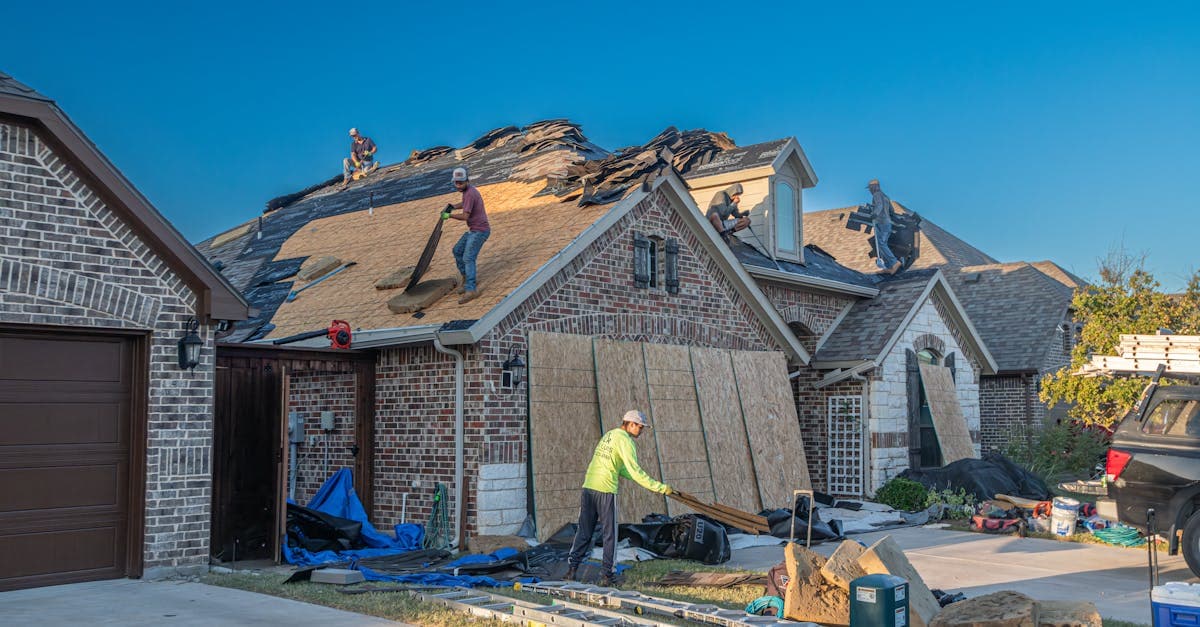
Replacement Cost vs. ACV: Which Pays More on a Claim?
Replacement cost pays to replace your damaged property. ACV deducts depreciation first — sometimes 50% or more. See which coverage your policy actually uses.

Understanding Coverage Limits and Deductibles: A Complete Breakdown
Most policyholders confuse limits and deductibles or ignore them entirely. This guide makes both concepts crystal clear.
The Declarations Page Decoded: Your Policy at a Glance
Every number, name, and date on your declarations page tells a story about your coverage. Learn to read it like an insurance professional.

The Premium Equation: How Insurers Price Your Policy
Insurance premiums are not random numbers. They are the result of sophisticated calculations that balance your risk against the insurer's costs.

The Deductible Equation: Understanding Your Out-of-Pocket Costs
Insurance math does not have to be confusing. Learn how deductibles factor into every claim and every premium decision you make.

What Does Insurance Really Cover? A Policyholder's Guide to Filing Smarter Claims
Your insurance policy is a contract — but most people never read the fine print. Here's what your coverage actually includes, what it excludes, and how to claim every dollar you're owed.
