NFIP Contents-Only Flood Insurance for Renters Explained

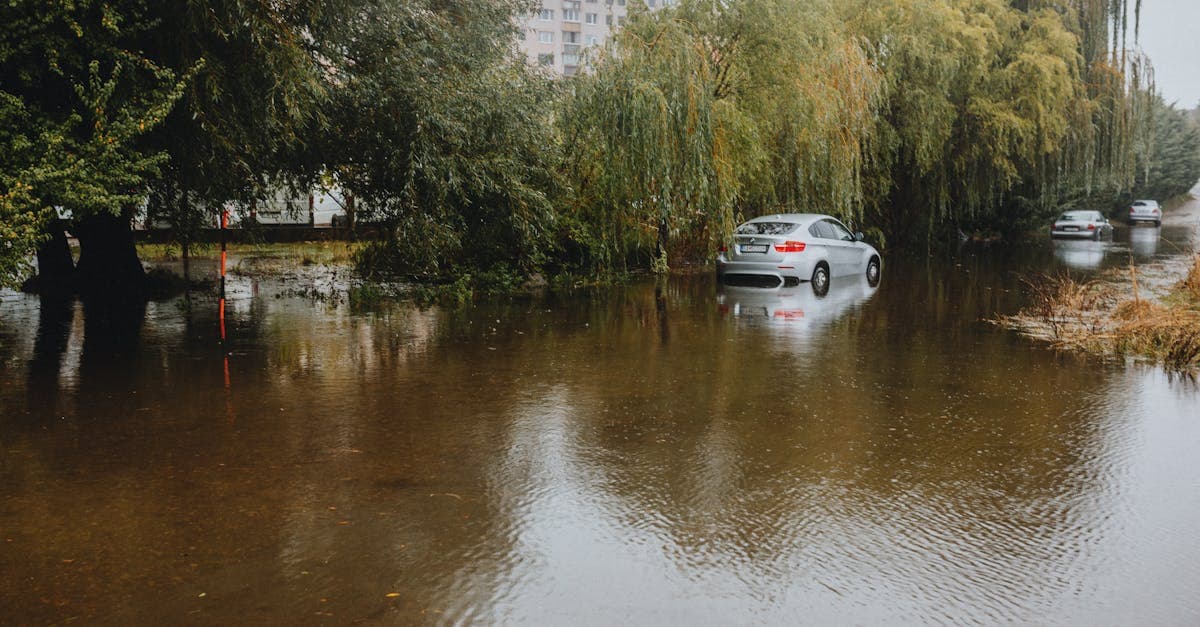
The data on renters and flood risk reveals a protection gap that affects millions of tenants nationwide. According to FEMA, more than 25 percent of flood claims originate from properties outside high-risk flood zones — areas where neither landlords nor tenants may consider flood insurance necessary.
The average cost of flood damage to personal property ranges from $10,000 for minor flooding to $50,000 or more for significant events. FEMA estimates that just one inch of water in a home causes approximately $25,000 in total damage, with a substantial portion affecting personal belongings at ground level — exactly the items a renter owns and must replace.
Meanwhile, the cost of protection is remarkably low. NFIP contents-only policies for renters in moderate and low-risk zones can cost a few hundred dollars or less per year. Even in high-risk zones, contents-only premiums are significantly lower than building-plus-contents policies because renters are insuring only personal property, not the structure.
The insurance gap is enormous. While approximately 95 percent of renters carry standard renters insurance, only a tiny fraction carry separate flood coverage. This means millions of renters who have protected themselves against theft and fire are completely exposed to flood damage — a peril that is more costly, more common in many areas, and entirely excluded from the policy they already pay for.
How Much Does Renters Flood Insurance Really Cost?
This is where consumers need to pay attention. The cost of flood insurance for renters is often the most surprising element of the conversation — because contents-only policies are far more affordable than most tenants assume.
Low-risk zone premiums: Renters in FEMA Zone X — moderate to minimal risk areas — often pay the lowest contents-only premiums. Annual costs can range from $50 to $200 depending on coverage amounts and deductibles. At these rates, flood insurance costs less per month than most streaming subscriptions.
Moderate-risk zone premiums: Renters in areas with moderate flood risk typically pay $200 to $500 per year for contents-only coverage. These premiums reflect slightly higher exposure but remain affordable relative to the protection provided.
High-risk zone premiums: Renters in FEMA Zone A or Zone V pay higher premiums that reflect the elevated risk. Contents-only policies in high-risk zones may cost $500 to $1,000 or more annually, depending on coverage and property characteristics. Even at these levels, premiums are a fraction of what building-plus-contents policies cost.
Factors that affect your premium: Under Risk Rating 2.0, your premium is influenced by the specific flood risk at your rental address, including distance to water, elevation, flood frequency, and flood type. Your selected coverage amount and deductible also directly affect premium levels.
Ways to reduce your premium: Choose a higher deductible to lower annual premiums. Select a coverage amount that matches your actual belongings value rather than automatically choosing the maximum. Ask about Community Rating System discounts if your city participates. And compare NFIP quotes with private flood insurance options.
The cost-benefit analysis: A $200 annual premium provides up to $100,000 in coverage. One significant flood event destroys $15,000 to $40,000 in a renter's personal property. The insurance pays for itself many times over with a single claim. Even renters who never file a claim pay a modest price for continuous peace of mind against a devastating loss.
Common Mistakes Renters Make With Flood Insurance
Your rights matter here. Renters who understand the most common mistakes around flood insurance can avoid them and ensure their belongings are properly protected when floodwater arrives.
Mistake one — assuming renters insurance covers floods: This is the most dangerous and most common mistake. Every standard renters policy excludes flood damage. Renters who assume they are covered discover their error only after filing a claim that is denied. Read your renters policy's exclusions section to confirm the flood exclusion.
Mistake two — relying on the landlord's insurance: A landlord's flood insurance covers the building structure and the landlord's property. It pays nothing for a tenant's furniture, electronics, or personal items. Your belongings are your responsibility, and only your own contents-only flood policy protects them.
Mistake three — waiting until a flood threatens to buy coverage: The NFIP's 30-day waiting period means coverage purchased after a flood watch or warning will not be active in time. Renters must purchase proactively during calm weather, ideally before flood season begins.
Mistake four — underinsuring belongings: Many renters underestimate the total value of their personal property. A careful room-by-room inventory typically reveals $15,000 to $40,000 or more in belongings. Selecting a coverage amount below your actual total leaves you partially uninsured after a significant loss.
Mistake five — not documenting belongings before a flood: Without pre-flood documentation, renters struggle to recall and prove what they owned. This leads to incomplete claims and lower payments. Photograph your belongings, save receipts, and maintain a written inventory before any flood occurs.
Mistake six — letting coverage lapse: Renters who cancel flood insurance to save money and plan to repurchase later face a new 30-day waiting period. Continuous coverage ensures protection is always active. The savings from a few months without premiums disappear instantly if flooding occurs during the gap.
The NFIP Contents-Only Policy: A Renter's Guide
Your rights matter here. The National Flood Insurance Program offers contents-only flood policies that are specifically designed for renters and other non-building-owners. Understanding how these policies work helps renters make informed purchasing decisions.
Eligibility: Any renter in a community that participates in the NFIP can purchase a contents-only flood policy. Most communities in the United States participate. Your rental property does not need to be in a high-risk flood zone — contents-only policies are available in all FEMA flood zones.
Coverage amounts: NFIP contents-only policies offer coverage up to $100,000 for personal property. You select your coverage amount based on the total replacement value of your belongings. Common coverage selections range from $10,000 to $50,000, depending on the renter's possessions.
Premium calculation: Premiums for contents-only policies depend on the flood zone, the coverage amount, and the deductible selected. Under Risk Rating 2.0, individual property characteristics also factor into pricing. Premiums for low-risk zones start as low as $50 to $100 per year for basic coverage amounts.
Valuation method: NFIP contents coverage pays on an actual cash value basis. This means depreciation is deducted from the replacement cost when calculating claim payments. A laptop purchased three years ago for $1,200 might be valued at $600 after depreciation.
The 30-day waiting period: New NFIP policies have a standard 30-day waiting period before coverage takes effect. Renters should purchase well before flood season or anticipated weather events. The waiting period cannot be waived except in limited circumstances like new lease agreements with mortgage-related requirements.
How to purchase: NFIP contents-only policies are sold through the Write Your Own program by participating private insurance companies. Contact your renters insurance agent or any NFIP-participating insurer to request a quote. The application process is straightforward and can typically be completed in a single phone call.
Special Situations: Flood Insurance for Different Types of Renters
This is where consumers need to pay attention. Not all renters face the same flood insurance considerations. Different rental situations create different needs, and understanding your specific situation helps you select the right coverage.
Apartment renters: Apartment renters in multi-unit buildings can purchase individual contents-only flood policies. Your coverage protects your personal belongings in your specific unit. The building owner's insurance covers the structure. Floor level affects your risk — ground-floor and below-grade units face the highest exposure.
Single-family home renters: Renters of single-family homes face the same flood risk as homeowners but are only responsible for insuring their personal property. A contents-only policy provides the necessary protection. Be aware that the entire ground floor is exposed to flooding, potentially affecting a larger volume of belongings than an apartment unit.
Room renters and house-share tenants: If you rent a room in someone else's home, your belongings are not covered by the homeowner's flood insurance. You need your own contents-only policy to protect your personal property. Coverage applies to your belongings regardless of where in the home they are located when damaged.
Condo renters: Renters in condominiums face a layered insurance situation. The condo association may carry building flood insurance. The unit owner may carry unit-specific flood coverage. But neither policy covers a renter's personal property. Condo renters need their own contents-only flood policy.
Mobile and manufactured home renters: Renters of mobile or manufactured homes face elevated flood risk due to typically lower elevation and lighter construction. Contents-only flood policies are available for mobile home tenants and provide essential protection for personal property in these vulnerable structures.
Short-term and seasonal renters: Even temporary renters can purchase contents-only flood policies. If you rent a seasonal property during hurricane or flood season, a short-term flood policy protects your belongings during the lease period. The 30-day NFIP waiting period requires advance planning for short-term rentals.
The NFIP Contents-Only Policy: A Renter's Guide
Your rights matter here. The National Flood Insurance Program offers contents-only flood policies that are specifically designed for renters and other non-building-owners. Understanding how these policies work helps renters make informed purchasing decisions.
Eligibility: Any renter in a community that participates in the NFIP can purchase a contents-only flood policy. Most communities in the United States participate. Your rental property does not need to be in a high-risk flood zone — contents-only policies are available in all FEMA flood zones.
Coverage amounts: NFIP contents-only policies offer coverage up to $100,000 for personal property. You select your coverage amount based on the total replacement value of your belongings. Common coverage selections range from $10,000 to $50,000, depending on the renter's possessions.
Premium calculation: Premiums for contents-only policies depend on the flood zone, the coverage amount, and the deductible selected. Under Risk Rating 2.0, individual property characteristics also factor into pricing. Premiums for low-risk zones start as low as $50 to $100 per year for basic coverage amounts.
Valuation method: NFIP contents coverage pays on an actual cash value basis. This means depreciation is deducted from the replacement cost when calculating claim payments. A laptop purchased three years ago for $1,200 might be valued at $600 after depreciation.
The 30-day waiting period: New NFIP policies have a standard 30-day waiting period before coverage takes effect. Renters should purchase well before flood season or anticipated weather events. The waiting period cannot be waived except in limited circumstances like new lease agreements with mortgage-related requirements.
How to purchase: NFIP contents-only policies are sold through the Write Your Own program by participating private insurance companies. Contact your renters insurance agent or any NFIP-participating insurer to request a quote. The application process is straightforward and can typically be completed in a single phone call.
Special Situations: Flood Insurance for Different Types of Renters
This is where consumers need to pay attention. Not all renters face the same flood insurance considerations. Different rental situations create different needs, and understanding your specific situation helps you select the right coverage.
Apartment renters: Apartment renters in multi-unit buildings can purchase individual contents-only flood policies. Your coverage protects your personal belongings in your specific unit. The building owner's insurance covers the structure. Floor level affects your risk — ground-floor and below-grade units face the highest exposure.
Single-family home renters: Renters of single-family homes face the same flood risk as homeowners but are only responsible for insuring their personal property. A contents-only policy provides the necessary protection. Be aware that the entire ground floor is exposed to flooding, potentially affecting a larger volume of belongings than an apartment unit.
Room renters and house-share tenants: If you rent a room in someone else's home, your belongings are not covered by the homeowner's flood insurance. You need your own contents-only policy to protect your personal property. Coverage applies to your belongings regardless of where in the home they are located when damaged.
Condo renters: Renters in condominiums face a layered insurance situation. The condo association may carry building flood insurance. The unit owner may carry unit-specific flood coverage. But neither policy covers a renter's personal property. Condo renters need their own contents-only flood policy.
Mobile and manufactured home renters: Renters of mobile or manufactured homes face elevated flood risk due to typically lower elevation and lighter construction. Contents-only flood policies are available for mobile home tenants and provide essential protection for personal property in these vulnerable structures.
Short-term and seasonal renters: Even temporary renters can purchase contents-only flood policies. If you rent a seasonal property during hurricane or flood season, a short-term flood policy protects your belongings during the lease period. The 30-day NFIP waiting period requires advance planning for short-term rentals.
Contents-Only Flood Policies: How They Work for Renters
This is where consumers need to pay attention. Understanding contents-only flood policies starts with the preventive coverage that inoculates a renter's finances against the devastating symptoms of uninsured flood damage. These policies are specifically designed for tenants and others who need to insure personal property without covering the building structure.
What contents-only covers: A contents-only flood policy covers personal belongings damaged by flooding. This includes furniture, electronics, clothing, appliances, kitchen items, bedding, curtains, and other personal property. It does not cover the building structure, walls, floors, or built-in fixtures — those are the landlord's responsibility.
NFIP contents coverage limits: The NFIP offers contents-only coverage up to $100,000. Renters select their desired coverage amount based on the total value of their personal property. You do not need to insure for the full $100,000 — choose an amount that reflects what you actually own.
How claims are valued: Standard NFIP contents coverage pays actual cash value, which accounts for depreciation. A five-year-old television is not paid at its original purchase price but at its depreciated value. Some private flood insurers offer replacement cost coverage that pays the full cost to buy a comparable new item.
Deductible options: Contents-only policies include a deductible — the amount you pay out of pocket before insurance kicks in. NFIP deductibles for contents range from $1,000 to $10,000. A higher deductible reduces your annual premium but increases your cost when filing a claim.
What triggers coverage: Flood insurance responds when rising water from an external source enters your rental unit and damages personal property. This includes overflow from rivers and streams, storm surge, surface water runoff, and mudflow. The water must come from outside your home — internal water events like burst pipes are covered by renters insurance, not flood insurance.
Understanding FEMA Flood Zones as a Renter
Your rights matter here. FEMA flood zones affect your flood risk and insurance costs regardless of whether you own or rent. Understanding these designations helps renters evaluate their exposure and make informed coverage decisions.
High-risk zones (Zone A and Zone V): These zones have a 1 percent or greater annual chance of flooding. Zone A covers inland high-risk areas. Zone V covers coastal areas subject to storm surge and wave action. Renters in these zones face the highest flood exposure and benefit most from contents-only flood coverage.
Moderate-risk zones (Shaded Zone X, Zone B): These zones have a 0.2 percent annual chance of flooding. The risk is lower but still meaningful over the course of a multi-year lease. Premiums for contents-only policies in these zones are very affordable, making voluntary purchase a practical decision.
Low-risk zones (Unshaded Zone X, Zone C): These zones have minimal flood risk based on FEMA mapping. However, FEMA data shows that more than 25 percent of flood claims come from outside high-risk zones. Low-risk designation does not mean zero risk, especially given changing climate and development patterns.
How your zone affects your premium: Your FEMA flood zone is one factor in determining your contents-only premium. Under Risk Rating 2.0, individual property characteristics matter more than zone designation alone. Two rental properties in the same zone may have different premiums based on elevation, proximity to water, and other factors.
Finding your rental property's flood zone: Check your property's flood zone using FEMA's Flood Map Service Center at msc.fema.gov. Enter your rental address to view the current flood zone designation. This information helps you understand your risk level and estimate potential premium costs.
Zone changes and reclassification: FEMA periodically updates flood maps, and your rental property's zone designation can change. Reclassification from a low-risk to a high-risk zone increases both your exposure and your insurance costs. Purchasing coverage before any reclassification locks in lower premiums.
What the Numbers Say About Renters Flood Insurance
The data supports a clear case for renters flood coverage. Over 25 percent of flood claims come from outside high-risk zones. One inch of water causes roughly $25,000 in damage. Average renter belongings total $15,000 to $40,000 in replacement value. And contents-only flood premiums can be as low as $50 to $200 per year in low-risk zones.
The cost-benefit calculation is straightforward. Even paying premiums for a decade without a claim costs $500 to $2,000 total. One flood event destroys $15,000 or more in personal property. The insurance pays for itself many times over with a single claim.
The probability is meaningful too. Over a five-year lease in a moderate-risk area, the chance of experiencing a flood is not negligible — and it is increasing as climate change intensifies precipitation and urban flooding grows more frequent.
Data-driven renters evaluate insurance based on expected outcomes, not hope. The expected cost of flood insurance is modest. The expected cost of uninsured flood damage is not. The math favors buying coverage.
Continue reading

The Apples-to-Apples Guide to Comparing Insurance Quotes
Insurance quotes vary widely because they cover different things in different ways. Making an accurate comparison requires matching coverage limits, deductibles, and endorsements before looking at price.
Life Events That Should Trigger an Immediate Policy Review
Marriage, a new baby, a home purchase, retirement, and other major life events change your insurance needs overnight. Knowing which events require immediate review prevents dangerous coverage gaps.

How Assignment of Benefits Works in Homeowners Insurance Claims
When you sign an AOB, your contractor deals directly with your insurer and can even sue on your behalf. Learn how this process works and what it means for your homeowners claim.