Two Policies, One Home: Why You Need Both Flood and Homeowners Insurance

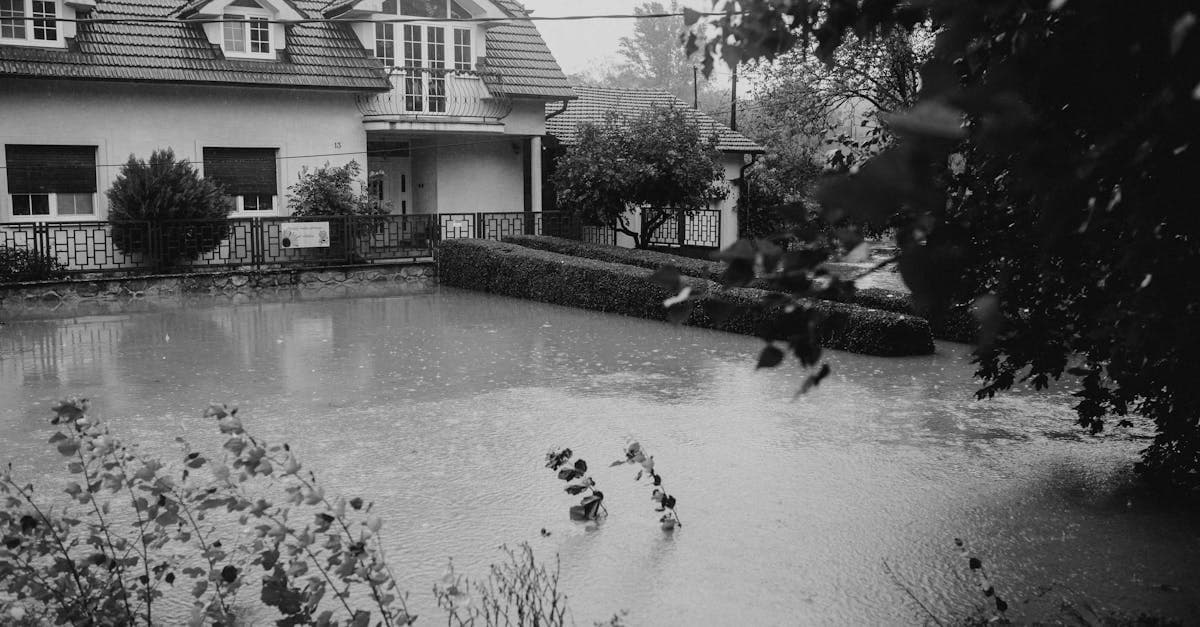
The numbers tell a clear story about why homeowners need both flood insurance and homeowners insurance. Average homeowners insurance water damage claims run $11,000 to $15,000, typically from burst pipes, appliance failures, and roof leaks. Average NFIP flood claims exceed $52,000, reflecting the broader and more destructive nature of flooding events.
FEMA estimates that just one inch of floodwater in a home causes approximately $25,000 in damage. Homeowners insurance pays zero of that amount because every standard policy excludes flood damage. Without a separate flood policy, the full cost falls on the homeowner.
Nationally, about 90 percent of natural disasters involve flooding. Yet only about 4 percent of homeowners outside high-risk zones carry flood insurance. This gap between flood frequency and flood coverage means millions of homes face devastating financial exposure from the one water peril their homeowners insurance will not cover.
The cost gap is also telling. Average annual homeowners insurance premiums run $1,500 to $3,000. Flood insurance for homes in moderate-risk zones costs $300 to $700 per year through the NFIP Preferred Risk Policy. For a combined annual cost of roughly $2,000 to $3,500, homeowners can have comprehensive protection against every category of water damage. Omitting flood insurance to save a few hundred dollars creates exposure to losses measured in tens of thousands.
Filing Claims: How the Process Differs Between Flood and Homeowners Insurance
This is where consumers need to pay attention. When water damages your home, the claims process depends on which policy responds. Understanding both processes before a loss event ensures you can navigate each one efficiently when it matters most.
Homeowners insurance claims process: Contact your insurance company directly or through your agent. An adjuster — either a company employee or an independent adjuster assigned by your insurer — inspects the damage. You provide documentation including photos, receipts, and an inventory of damaged items. The insurer evaluates the claim against your policy terms and issues payment, typically within two to four weeks for straightforward claims.
NFIP flood insurance claims process: Contact your flood insurance agent or the NFIP directly to report the loss. An NFIP-certified adjuster inspects the damage and prepares a detailed damage report. You provide proof of loss documentation within 60 days. FEMA reviews the adjuster's report and your documentation, then issues payment. The process can take several weeks to several months depending on the scope of damage and the volume of claims being processed.
When both claims happen simultaneously: After a storm that causes both wind and flood damage, you file separate claims with each insurer. Each sends its own adjuster. The adjusters must determine which damage was caused by wind — covered by homeowners insurance — and which was caused by flooding — covered by flood insurance. Clear documentation helps this separation process.
Documentation best practices: Photograph all damage before cleanup begins. Separate damaged items by likely cause — internal water versus external flooding. Keep receipts for all emergency repairs and temporary measures. Create a detailed inventory of damaged personal property with estimated values and ages.
Advance payments and emergency funds: Homeowners insurers often provide advance payments for emergency repairs and temporary housing. NFIP flood insurance may provide advance payments for serious damage but does not cover temporary housing. Having emergency savings accessible during the claims process prevents financial strain.
Dispute resolution differences: Homeowners insurance disputes go through your state's insurance department and potentially to court. NFIP flood insurance disputes can be appealed to FEMA and may proceed to federal court. Understanding the dispute resolution path for each policy helps if you disagree with a claim determination.
Navigating Dual Claims: When Both Policies Respond to One Event
Your rights matter here. Major weather events often trigger both flood insurance and homeowners insurance simultaneously. Understanding how to manage two claims from a single event ensures you receive full compensation from both policies.
Identifying dual-claim events: Any storm that causes both wind damage and flooding creates a dual-claim situation. Hurricanes are the most common example, but severe thunderstorms, tornadoes with associated flooding, and winter storms with ice dams and snowmelt flooding can all trigger both policies.
Separating damage by cause: The key to successful dual claims is separating damage by its cause. Wind damage — missing roof sections, broken windows, displaced siding — is a homeowners claim. Flood damage — waterlines on walls, mud and silt deposits, damage below the flood level — is a flood claim. Take photos that clearly show each type of damage separately.
Coordinating with two adjusters: Each insurer sends its own adjuster to inspect the damage. The homeowners adjuster evaluates wind and rain damage. The flood adjuster evaluates flood damage. Their assessments should not overlap — each adjuster should claim only the damage caused by the peril they cover.
Preventing payment gaps: The risk in dual claims is that each adjuster attributes damage to the other policy, leaving some damage uncovered. If your homeowners adjuster says wall damage below the waterline is flood damage, and your flood adjuster limits payment for that same area, you may have a gap. Document everything and question any damage that neither adjuster is claiming.
Timing and communication: Report both claims as soon as possible after the event. Inform each insurer that you are filing a claim with the other. Provide the same documentation — photos, repair estimates, inventory — to both insurers. Keep records of all communications with both claims departments.
Professional help for complex claims: For major events with significant damage from both wind and flood, consider hiring a public adjuster who understands both policies. A public adjuster represents you — not either insurer — and can help ensure that all damage is assigned to the correct policy and that no damage falls through the cracks between the two.
Cost Comparison: What You Pay for Each Type of Coverage
Your rights matter here. Understanding the cost of each policy helps you budget for complete water damage protection and evaluate the financial tradeoff of carrying both policies versus relying on just one.
Homeowners insurance costs: Average annual homeowners insurance premiums in the United States range from $1,500 to $3,000 depending on your state, home value, coverage level, deductible, and claims history. This premium covers your home against fire, wind, theft, liability, and internal water damage — essentially all major perils except flooding and earthquake.
Flood insurance costs by zone: NFIP flood insurance premiums vary significantly by flood zone. High-risk Zone A and V properties pay $1,000 to $4,000 or more per year. Moderate-risk properties eligible for Preferred Risk Policies pay $300 to $700 per year. Risk Rating 2.0 has introduced property-specific pricing that may adjust these ranges based on individual risk factors.
Combined cost for complete protection: A homeowner paying $2,000 per year for homeowners insurance and $500 per year for flood insurance spends $2,500 annually for comprehensive coverage against virtually every water damage scenario. That works out to about $208 per month or $6.85 per day for complete protection.
The cost of no flood insurance: Without flood insurance, a flood event costs the average homeowner $25,000 to $50,000 out of pocket. One flood event wipes out 50 to 100 years of flood insurance premiums that were never paid. The financial math overwhelmingly favors carrying both policies.
Private flood insurance pricing: Private flood insurers may offer premiums competitive with or lower than the NFIP for certain properties. Shopping between NFIP and private options can reduce your flood insurance cost while potentially providing broader coverage features.
Deductible impact on premiums: Higher deductibles reduce premiums for both policies. Choosing a $2,500 homeowners deductible instead of $1,000 can save $200 to $400 per year. Choosing a higher flood insurance deductible similarly reduces your annual premium. Balance premium savings against your ability to pay the deductible after a loss.
Coverage Limits: Understanding the Caps on Each Policy
This is where consumers need to pay attention. Coverage limits determine the maximum amount each policy will pay after a water damage event. Understanding these limits — and where they create gaps — helps you plan coverage that fully protects your home.
Homeowners insurance dwelling coverage: Your homeowners policy's dwelling coverage should match your home's full replacement cost — the amount it would cost to rebuild your home at current construction prices. There is no federal cap on homeowners dwelling coverage. You can insure your home for its full value.
NFIP building coverage cap: NFIP flood insurance caps building coverage at $250,000. If your home's replacement cost exceeds this amount, the NFIP policy leaves a gap between the $250,000 cap and your actual replacement cost. This gap is not covered by homeowners insurance because the damage is from flooding.
NFIP contents coverage cap: NFIP flood insurance caps contents coverage at $100,000. If your personal property value exceeds this amount, the excess is uninsured against flood damage. Homeowners personal property coverage may be higher, but it does not apply to flood damage.
Homeowners personal property coverage: Homeowners policies typically cover personal property at 50 to 70 percent of your dwelling coverage amount. This coverage applies to theft, fire, and internal water damage — but not to flood damage, regardless of the limit.
Closing the limits gap: Private flood insurance can provide building coverage above the $250,000 NFIP cap and contents coverage above the $100,000 NFIP cap. Homeowners with higher-value properties should compare private flood options to ensure their flood coverage matches their home's actual value.
Deductible impact on effective coverage: Your effective coverage after a loss equals your policy limit minus your deductible. A $250,000 flood policy with a $5,000 deductible provides $245,000 in effective building coverage. A $300,000 homeowners dwelling with a $2,500 deductible provides $297,500 in effective coverage. Factor deductibles into your coverage planning.
Cost Comparison: What You Pay for Each Type of Coverage
Your rights matter here. Understanding the cost of each policy helps you budget for complete water damage protection and evaluate the financial tradeoff of carrying both policies versus relying on just one.
Homeowners insurance costs: Average annual homeowners insurance premiums in the United States range from $1,500 to $3,000 depending on your state, home value, coverage level, deductible, and claims history. This premium covers your home against fire, wind, theft, liability, and internal water damage — essentially all major perils except flooding and earthquake.
Flood insurance costs by zone: NFIP flood insurance premiums vary significantly by flood zone. High-risk Zone A and V properties pay $1,000 to $4,000 or more per year. Moderate-risk properties eligible for Preferred Risk Policies pay $300 to $700 per year. Risk Rating 2.0 has introduced property-specific pricing that may adjust these ranges based on individual risk factors.
Combined cost for complete protection: A homeowner paying $2,000 per year for homeowners insurance and $500 per year for flood insurance spends $2,500 annually for comprehensive coverage against virtually every water damage scenario. That works out to about $208 per month or $6.85 per day for complete protection.
The cost of no flood insurance: Without flood insurance, a flood event costs the average homeowner $25,000 to $50,000 out of pocket. One flood event wipes out 50 to 100 years of flood insurance premiums that were never paid. The financial math overwhelmingly favors carrying both policies.
Private flood insurance pricing: Private flood insurers may offer premiums competitive with or lower than the NFIP for certain properties. Shopping between NFIP and private options can reduce your flood insurance cost while potentially providing broader coverage features.
Deductible impact on premiums: Higher deductibles reduce premiums for both policies. Choosing a $2,500 homeowners deductible instead of $1,000 can save $200 to $400 per year. Choosing a higher flood insurance deductible similarly reduces your annual premium. Balance premium savings against your ability to pay the deductible after a loss.
Coverage Limits: Understanding the Caps on Each Policy
This is where consumers need to pay attention. Coverage limits determine the maximum amount each policy will pay after a water damage event. Understanding these limits — and where they create gaps — helps you plan coverage that fully protects your home.
Homeowners insurance dwelling coverage: Your homeowners policy's dwelling coverage should match your home's full replacement cost — the amount it would cost to rebuild your home at current construction prices. There is no federal cap on homeowners dwelling coverage. You can insure your home for its full value.
NFIP building coverage cap: NFIP flood insurance caps building coverage at $250,000. If your home's replacement cost exceeds this amount, the NFIP policy leaves a gap between the $250,000 cap and your actual replacement cost. This gap is not covered by homeowners insurance because the damage is from flooding.
NFIP contents coverage cap: NFIP flood insurance caps contents coverage at $100,000. If your personal property value exceeds this amount, the excess is uninsured against flood damage. Homeowners personal property coverage may be higher, but it does not apply to flood damage.
Homeowners personal property coverage: Homeowners policies typically cover personal property at 50 to 70 percent of your dwelling coverage amount. This coverage applies to theft, fire, and internal water damage — but not to flood damage, regardless of the limit.
Closing the limits gap: Private flood insurance can provide building coverage above the $250,000 NFIP cap and contents coverage above the $100,000 NFIP cap. Homeowners with higher-value properties should compare private flood options to ensure their flood coverage matches their home's actual value.
Deductible impact on effective coverage: Your effective coverage after a loss equals your policy limit minus your deductible. A $250,000 flood policy with a $5,000 deductible provides $245,000 in effective building coverage. A $300,000 homeowners dwelling with a $2,500 deductible provides $297,500 in effective coverage. Factor deductibles into your coverage planning.
Covered Perils: What Each Policy Protects Against
This is where consumers need to pay attention. Understanding the covered perils in each policy is the specialist referral system where your general practitioner handles everyday ailments and the specialist addresses the conditions only they can treat. Flood insurance and homeowners insurance divide water damage into two completely separate categories, and knowing which perils fall under which policy prevents costly surprises.
Homeowners insurance covered water perils: Standard homeowners policies cover sudden and accidental water damage from internal sources. This includes burst pipes and plumbing failures, water heater ruptures, washing machine and dishwasher overflows, accidental toilet overflows, ice dam leaks through the roof, and wind-driven rain entering through storm-damaged openings. The key characteristic is that the water originates from inside your home or enters through damage caused by a covered peril like wind.
Flood insurance covered water perils: Flood insurance covers damage from rising water that enters your home from outside. This includes river and stream overflow, storm surge and tidal flooding, surface water runoff from heavy rainfall, mudflow caused by flooding, and any general and temporary condition where normally dry land becomes partially or completely inundated. The key characteristic is that the water originates from an external source and rises or flows into your home.
The bright line between them: The distinction is not about the amount of water or the severity of damage — it is about source and direction. A burst pipe that floods your entire first floor is a homeowners claim. A rainstorm that sends four inches of water through your front door is a flood claim. Same amount of water, same amount of damage, completely different insurance responses.
Perils neither policy covers: Some water damage falls outside both policies. Gradual seepage, long-term moisture damage, mold from deferred maintenance, and water damage from lack of upkeep may be excluded from both flood and homeowners coverage. Maintaining your home reduces the risk of these uncovered losses.
Basement Water Damage: The Most Confusing Coverage Area for Homeowners
Your rights matter here. Basement water damage is where the distinction between flood and homeowners insurance becomes most confusing — and most expensive when coverage expectations do not match reality.
Homeowners insurance and basements: Your homeowners policy covers basement water damage from internal sources. A burst pipe in the basement, a failed water heater, or an overflowing laundry tub are all covered homeowners claims. The damage to your finished basement — drywall, flooring, built-in features, and stored belongings — is covered because the water source was internal and accidental.
NFIP flood insurance and basements: NFIP coverage for basements and below-grade spaces is significantly limited. Flood insurance covers the structural components — walls, floors, and the foundation itself. It covers essential mechanical equipment including furnaces, water heaters, and electrical panels. But it does not cover finished improvements like drywall, paneling, carpet, tile flooring, or built-in cabinets in below-grade areas.
The finished basement gap: If your finished basement floods from external rising water, NFIP flood insurance covers the structural and mechanical damage but not your finished improvements. This can leave thousands of dollars in damage uncovered — the very drywall, flooring, and built-in features that make a finished basement valuable.
Private flood insurance options: Some private flood insurers offer broader basement coverage than the NFIP, including coverage for finished improvements below grade. If you have a finished basement, comparing private flood policy terms against NFIP terms is especially important.
Sewer backup and basements: Water that enters your basement through floor drains or sewer connections is a sewer backup event — not a flood event. This requires a sewer backup endorsement on your homeowners policy. Many homeowners with finished basements benefit from carrying all three: homeowners insurance, flood insurance, and a sewer backup endorsement.
Practical advice for basement owners: If you have a valuable finished basement, understand the coverage limitations of each policy. Consider private flood insurance with finished basement coverage. Add a sewer backup endorsement to your homeowners policy. And invest in prevention measures like sump pumps with battery backup and backflow prevention valves.
By the Numbers: The Case for Both Flood and Homeowners Insurance
The data makes the case clearly. Average homeowners water damage claims run $11,000 to $15,000. Average NFIP flood claims exceed $52,000. Combined, these figures represent the range of water damage costs that homeowners face — and they demonstrate why both policies are necessary.
Carrying only homeowners insurance leaves you exposed to flood losses averaging over $50,000. Carrying only flood insurance leaves you exposed to fire, theft, and wind losses that can destroy your home entirely. Neither policy alone provides adequate protection.
The cost of both policies together — roughly $2,000 to $3,500 per year for most homeowners — is less than 10 percent of a single average flood claim and a fraction of the catastrophic losses homeowners insurance covers. The premium-to-protection ratio for the combined strategy is exceptionally favorable.
Over a 30-year mortgage, the total cost of maintaining both policies might be $60,000 to $105,000. One flood event and one house fire during that period would generate claims exceeding $200,000 — and either event alone could exceed the cumulative premiums for both policies combined. The math supports carrying both policies without exception.
Continue reading

The Apples-to-Apples Guide to Comparing Insurance Quotes
Insurance quotes vary widely because they cover different things in different ways. Making an accurate comparison requires matching coverage limits, deductibles, and endorsements before looking at price.

Life Events That Should Trigger an Immediate Policy Review
Marriage, a new baby, a home purchase, retirement, and other major life events change your insurance needs overnight. Knowing which events require immediate review prevents dangerous coverage gaps.

How Assignment of Benefits Works in Homeowners Insurance Claims
When you sign an AOB, your contractor deals directly with your insurer and can even sue on your behalf. Learn how this process works and what it means for your homeowners claim.