The National Flood Insurance Program: How NFIP Works for Homeowners

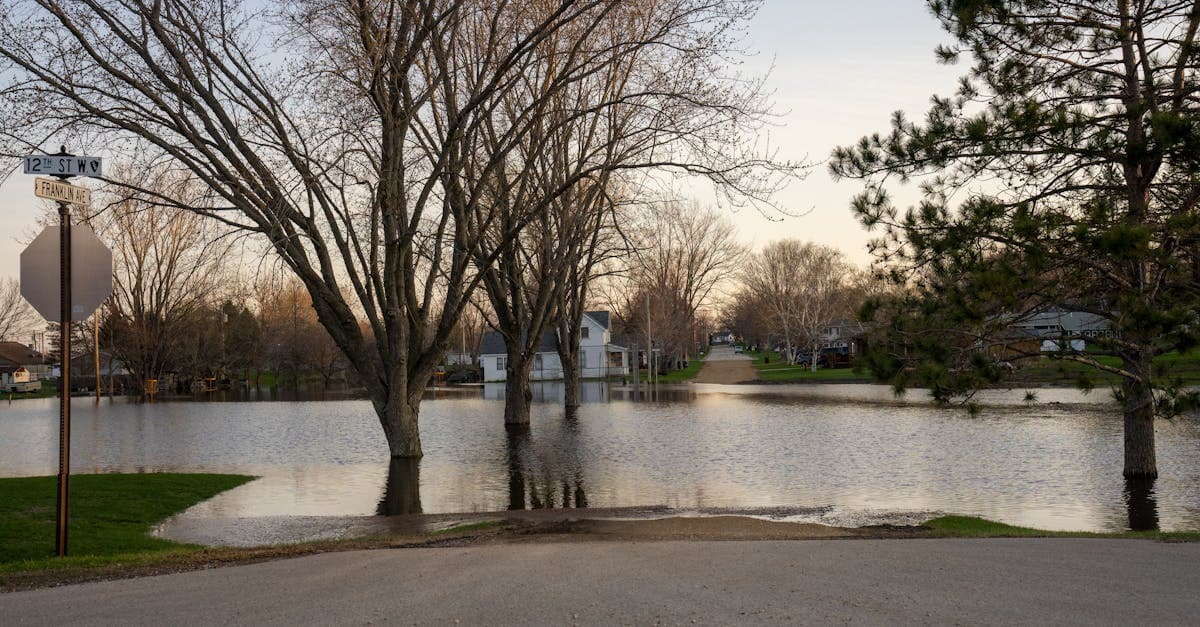
Flooding is the most common natural disaster in the United States, causing over $5 billion in annual insured losses and significantly more in uninsured losses. According to FEMA, just one inch of floodwater in a home causes an average of $25,000 in damage. Six inches of water can cause $50,000 or more in structural and personal property damage.
Despite these numbers, the Insurance Information Institute reports that only about 4 percent of American homeowners carry flood insurance. Even in high-risk flood zones where coverage is mandatory for federally backed mortgages, compliance rates fall well below 100 percent.
The financial disparity between insured and uninsured flood victims is dramatic. FEMA disaster assistance — which many homeowners mistakenly view as a substitute for flood insurance — averages approximately $5,000 per household. The average flood insurance claim payout exceeds $52,000. And unlike disaster loans, insurance payouts do not need to be repaid.
The median annual flood insurance premium under the NFIP is approximately $700, though premiums range from under $200 for low-risk properties to over $3,000 for high-risk locations. At $700 per year, a homeowner pays $21,000 in premiums over a 30-year mortgage. A single major flood event produces average damage of $25,000 to $50,000 — meaning one flood claim can return decades of premium investment in a single payout.
How to File a Flood Insurance Claim: The Step-by-Step Process
This is where consumers need to pay attention. Filing a flood insurance claim follows a specific process that differs from standard homeowners insurance claims. Understanding the steps in advance helps you document damage properly and receive your full claim payment.
Step one — document the damage: Before any cleanup begins, photograph and video all flood damage from multiple angles. Document the water line height on walls, damaged structural elements, destroyed personal property, and the extent of water penetration. This documentation is your primary evidence for the claim.
Step two — report the claim promptly: Contact your flood insurance company as soon as possible after the flood recedes. NFIP policies require you to report the claim within 60 days of the flood event. Your insurer assigns a claim number and schedules an adjuster visit.
Step three — separate flood damage from other damage: If the same event caused both flood and wind damage, separate the two for claims purposes. Flood damage goes to your flood insurer. Wind damage goes to your homeowners insurer. Documenting the cause of each type of damage is essential for proper claim processing.
Step four — meet with the adjuster: The flood claims adjuster inspects your property, documents the flood-related damage, and prepares a repair estimate. Be present during the inspection to point out all flood damage including hidden damage behind walls, under flooring, and in mechanical systems.
Step five — submit your proof of loss: NFIP claims require a signed and sworn proof of loss statement within 60 days of the adjuster's report. This document itemizes all flood damage and the claimed amounts. It is a legal requirement for NFIP claims that many homeowners are not aware of until after the flood.
Step six — receive payment and begin repairs: Once your claim is approved, the insurer pays the covered amount minus your deductible. Building claims may be paid in installments as repairs progress. Begin repairs promptly to prevent additional damage from mold, structural deterioration, or weather exposure.
The History of Flood Insurance: From Crisis to the Modern NFIP
Your rights matter here. The history of flood insurance in America explains why the coverage exists as a separate government program and how it has evolved to address the growing financial impact of flooding.
The pre-NFIP era: Before 1968, private insurers refused to offer flood coverage because flood risk was too concentrated and catastrophic for private markets to handle profitably. Homeowners in flood-prone areas had no insurance option and relied entirely on personal savings and federal disaster relief after floods.
The 1968 creation of the NFIP: After devastating floods in the 1960s, Congress passed the National Flood Insurance Act of 1968, creating the NFIP. The program offered flood coverage that private markets would not provide, in exchange for communities adopting floodplain management regulations.
The 1973 mandate: The Flood Disaster Protection Act of 1973 required flood insurance for properties with federally backed mortgages in high-risk flood zones. This mandate dramatically increased flood insurance adoption and established the connection between flood maps, mortgages, and insurance that exists today.
Major storm impacts: Each major flood event shaped the NFIP. Hurricane Katrina in 2005 generated $16 billion in claims and exposed pricing inadequacies. Superstorm Sandy in 2012 caused $9 billion in claims and revealed operational challenges. Hurricane Harvey in 2017 produced $9 billion in claims, with many affecting homes outside mapped flood zones.
Reform legislation: The Biggert-Waters Act of 2012 attempted to move NFIP pricing toward actuarial rates. The Homeowner Flood Insurance Affordability Act of 2014 slowed the rate increases. Risk Rating 2.0, implemented in 2021, represents the most comprehensive pricing reform in the program's history.
Current challenges: The NFIP carries over $20 billion in debt to the US Treasury. Congress has repeatedly extended the program through short-term reauthorizations rather than comprehensive reform. The growing private flood insurance market provides competition but cannot yet replace the NFIP's role as the primary flood insurer for American homeowners.
How Much Does Flood Insurance Cost? Understanding Premium Factors
This is where consumers need to pay attention. Flood insurance premiums vary significantly based on multiple factors specific to your property and coverage selections. Understanding these factors helps you anticipate costs and find ways to reduce your premium.
Flood zone designation: Your flood zone is the primary driver of your premium. High-risk zones like AE and VE carry the highest premiums. Moderate-risk zones pay moderate premiums. Low-risk Zone X properties qualify for the lowest rates, often through Preferred Risk Policies.
Building elevation: Your home's elevation relative to the Base Flood Elevation is a critical factor. Homes built above the BFE pay significantly less than homes at or below the BFE. An elevation certificate documents this measurement and can substantially affect your premium.
Construction characteristics: Your home's foundation type, number of floors, building age, and presence of a basement or enclosure all affect your premium. Homes on elevated foundations like pilings or piers generally pay less than slab-on-grade homes in flood zones.
Coverage amounts and deductibles: Higher coverage limits increase your premium while higher deductibles decrease it. Choosing the right balance between coverage and deductible depends on your property value, financial reserves, and risk tolerance.
Risk Rating 2.0 impact: FEMA's updated pricing methodology considers property-specific factors like distance to water, types of flooding, and historical flood frequency. Some properties see premium increases while others benefit from decreases under the new system.
Average premium ranges: NFIP premiums average approximately $700 per year nationally. Preferred Risk Policies in low-risk zones may cost $129 to $400. Standard-rated policies in high-risk zones typically range from $800 to $3,000 or more. Private flood insurance may offer competitive alternatives at any risk level.
Flood Insurance Contents Coverage: Protecting Your Personal Property
Your rights matter here. Contents coverage is an essential but often overlooked component of flood insurance. Understanding what it covers and how it works is diagnosing your true flood exposure and prescribing the right level of flood insurance coverage so your financial health survives intact when floodwaters create damage that no other policy will treat for every homeowner and renter in a flood-prone area.
What contents coverage protects: Contents flood coverage pays to replace personal property damaged by flooding: furniture, clothing, electronics, small appliances, area rugs, curtains, portable air conditioners, food freezers and their contents, and certain valuable items up to $2,500 per item.
Coverage limits: NFIP contents coverage maxes out at $100,000 for residential properties. If your personal property is worth more than $100,000, consider excess contents coverage from a private flood insurer. Renters can purchase contents-only flood coverage without building coverage.
Actual cash value vs replacement cost: NFIP contents coverage pays actual cash value — the replacement cost minus depreciation. A five-year-old television that cost $1,000 might receive $400 in actual cash value after depreciation. Some private flood policies offer replacement cost coverage for contents, which pays the full replacement cost without depreciation.
Basement contents exclusion: Personal property stored in basements is not covered by flood insurance. Electronics, furniture, holiday decorations, memorabilia, and other items kept in below-grade areas receive zero coverage from your flood policy.
Documenting your contents: Before a flood occurs, create a detailed inventory of your personal property with photographs, receipts, and estimated values. This documentation dramatically speeds the claims process and helps ensure you receive the full value of your covered losses.
Coverage for specific items: High-value items like jewelry, art, and collectibles may have limited coverage under flood insurance. If you have valuable collections or individual items worth more than $2,500, discuss supplemental coverage options with your agent to ensure adequate protection.
What Flood Insurance Covers: Building and Contents Protection Detailed
Your rights matter here. Understanding exactly what your flood insurance covers is the specialized insurance treatment that addresses the unique financial injuries caused by flooding because standard homeowners insurance was never prescribed to treat water damage from rising water sources. The coverage is substantial but has important limitations that every policyholder should know.
Building coverage includes: The physical structure of your home — foundation, walls, floors, ceilings, and roof. Electrical and plumbing systems. HVAC equipment including furnaces and air conditioners. Water heaters and well water tanks. Built-in appliances like dishwashers, stoves, and built-in refrigerators. Permanently installed carpeting over unfinished flooring. Window blinds. Detached garages up to 10 percent of building coverage.
Contents coverage includes: Personal property inside the insured building — furniture, clothing, electronics, portable appliances, curtains, area rugs, and washer-dryers that are not built in. Contents coverage must be purchased separately from building coverage and has a maximum of $100,000 under the NFIP.
Basement coverage limitations: Flood insurance covers only specific items in basements and below-grade enclosures: utility connections, furnaces, water heaters, heat pumps, sump pumps, electrical junction boxes, and circuit breaker panels. Finished walls, floors, ceilings, and personal property stored in basements are not covered.
What counts as a flood: For insurance purposes, a flood is a general and temporary condition where two or more acres of normally dry land or two or more properties are inundated by water or mudflow. The water must come from an external source — rivers, tidal water, rainfall runoff, storm surge, or similar sources.
Increased Cost of Compliance: NFIP policies include ICC coverage that provides up to $30,000 to help bring your home into compliance with current flood building codes after a covered flood loss. This can fund elevation, floodproofing, relocation, or demolition if your community requires it.
Coverage you might not expect: Flood insurance covers debris removal, reasonable access to the insured property, and certain costs associated with relocating your belongings to prevent further flood damage. These ancillary coverages provide additional value beyond basic repair and replacement.
Risk Rating 2.0: How FEMA's New Pricing Methodology Affects Your Premium
This is where consumers need to pay attention. FEMA implemented Risk Rating 2.0 in 2021, fundamentally changing how flood insurance premiums are calculated under the NFIP. Understanding this new system helps you anticipate and manage your flood insurance costs.
What changed: The old pricing system relied heavily on flood zone designation and whether your home was above or below the base flood elevation. Risk Rating 2.0 incorporates individual property characteristics including distance to water, type of flooding source, reconstruction cost, and historical flood frequency.
More granular pricing: Under Risk Rating 2.0, two homes in the same flood zone may pay very different premiums based on their specific risk profiles. A home at the edge of a flood zone far from any water source may pay less than a home directly adjacent to a river in the same zone.
Winners and losers: Some homeowners see premium decreases under Risk Rating 2.0 because the old system overstated their risk. Others see increases because the new system more accurately captures their individual exposure. Properties with high replacement costs or close proximity to flood sources generally face higher premiums.
Phase-in protections: FEMA limited annual premium increases to 18 percent per year for existing policyholders to prevent sudden cost spikes. New policies receive Risk Rating 2.0 pricing immediately without phase-in protection.
Factors in the new formula: Risk Rating 2.0 considers flood type (river overflow, storm surge, coastal erosion, heavy rainfall), distance to the flood source, property elevation, replacement cost of the building, and historical claims data for the area. Each factor contributes to your individualized premium.
What you can do: Request a detailed breakdown of your Risk Rating 2.0 premium from your insurer. Compare NFIP pricing with private flood insurance quotes. Invest in mitigation measures that reduce your individual risk factors. And maintain continuous coverage to avoid losing any grandfathered benefits from prior rating systems.
NFIP vs Private Flood Insurance: Comparing Your Coverage Options
Your rights matter here. The flood insurance market offers two main sources of coverage: the National Flood Insurance Program managed by FEMA and private flood insurance carriers. Understanding the differences helps you choose the right option for your situation.
NFIP advantages: The NFIP is backed by the federal government, meaning it will pay valid claims regardless of the volume of flood losses in any given year. Coverage and pricing are standardized, so you know exactly what you are getting. NFIP policies are available in any participating community regardless of your property's flood risk level.
NFIP limitations: NFIP coverage is capped at $250,000 for building and $100,000 for contents. The program does not cover additional living expenses if you are displaced. Basement coverage is limited to essential systems only. And NFIP premiums do not always reflect competitive market pricing.
Private flood insurance advantages: Private carriers may offer higher coverage limits — $500,000, $1,000,000, or more for building coverage. Some private policies include additional living expenses, broader basement coverage, and replacement cost coverage for contents. Private carriers may also offer shorter waiting periods and competitive pricing.
Private flood insurance considerations: Private policies are not backed by the federal government, so the carrier's financial stability matters. Coverage terms vary between carriers, requiring careful comparison. Some mortgage lenders may prefer NFIP policies over private alternatives.
Which to choose: For properties valued under $250,000, the NFIP may provide sufficient coverage at competitive rates. For higher-value properties or homeowners seeking broader coverage, private flood insurance often provides better protection. Many homeowners benefit from getting quotes from both sources and comparing coverage details, not just premiums.
The hybrid approach: Some homeowners purchase an NFIP policy for the base coverage and an excess flood policy from a private carrier for amounts above the NFIP limits. This approach combines the reliability of federal backing with higher coverage limits.
Flood Insurance and Basements: Understanding Limited Below-Grade Coverage
This is where consumers need to pay attention. Basement coverage under flood insurance is one of the most misunderstood aspects of the policy. Many homeowners are shocked to learn that their finished basement is largely excluded from flood insurance coverage.
What counts as a basement: For flood insurance purposes, a basement is any area of the building with a floor that is below ground level on all sides. This includes traditional basements, fully below-grade rooms, and sub-grade crawl spaces used as living or storage areas.
Covered items in basements: Flood insurance covers essential systems and equipment in basements: furnaces, boilers, water heaters, heat pumps, air conditioners, sump pumps and their discharge pipes, electrical junction boxes, circuit breaker panels, utility connections, fuel tanks and fuel, stairways, and elevators.
Items not covered in basements: Finished walls, drywall, paneling, flooring, tile, carpet, ceiling finishes, window treatments, and any personal property stored in the basement are not covered by flood insurance. This means a $30,000 finished basement — with drywall, carpet, cabinets, and entertainment equipment — receives virtually no coverage from a flood policy.
The financial impact: Homeowners who invest in finished basements in flood-prone areas face a significant coverage gap. The flood insurance policy will pay to restore essential systems but will not pay for the finished improvements that made the space livable. This can represent tens of thousands of dollars in uninsured losses.
Protecting basement investments: If you have a finished basement and flood risk, consider these strategies: maintain a dedicated savings fund for basement restoration, investigate private flood policies that may offer broader basement coverage, and install water detection systems and sump pumps with battery backup to reduce the likelihood and severity of basement flooding.
Above-grade alternatives: When possible, locate valuable improvements and personal property above grade level. Moving a home office, entertainment center, or guest bedroom to an above-grade floor brings those investments under the full protection of your flood insurance policy.
What the Numbers Tell Us About Flood Insurance
The data on flood risk and flood insurance makes a compelling case for coverage. Flooding causes more property damage annually than any other natural disaster in the United States. The average residential flood claim exceeds $52,000. Just one inch of water in a home causes $25,000 in damage.
Yet only about 4 percent of American homeowners carry flood insurance. In high-risk zones, coverage rates are higher but still fall short of universal. Outside high-risk zones, coverage rates are minimal despite 25 percent of claims originating from these areas.
The financial comparison between insured and uninsured flood victims is stark. Insured homeowners receive insurance payments averaging $52,000. Uninsured homeowners receive FEMA grants averaging $5,000 — if a disaster is declared at all. The 10-to-1 ratio of insurance payouts to disaster grants illustrates why flood insurance is the superior financial protection.
At median annual premiums around $700, flood insurance costs approximately $2 per day. The protection it provides against a $25,000 to $50,000 loss makes it one of the most cost-effective risk management tools available to any homeowner.
Continue reading

The Apples-to-Apples Guide to Comparing Insurance Quotes
Insurance quotes vary widely because they cover different things in different ways. Making an accurate comparison requires matching coverage limits, deductibles, and endorsements before looking at price.

Life Events That Should Trigger an Immediate Policy Review
Marriage, a new baby, a home purchase, retirement, and other major life events change your insurance needs overnight. Knowing which events require immediate review prevents dangerous coverage gaps.

How Assignment of Benefits Works in Homeowners Insurance Claims
When you sign an AOB, your contractor deals directly with your insurer and can even sue on your behalf. Learn how this process works and what it means for your homeowners claim.