How Much Personal Property Coverage Do You Actually Need?


According to industry research, the average American household contains between $100,000 and $300,000 in personal property depending on household size, income level, and accumulation over time. Yet surveys consistently show that most homeowners estimate the value of their belongings at a fraction of the actual replacement cost.
Fire and smoke claims generate the largest personal property payouts, often involving the replacement of contents throughout the entire home even when structural damage is limited to one area. The Insurance Information Institute reports that the average homeowners claim involving personal property exceeds $10,000, with total-loss fire claims generating personal property payouts of $50,000 to $150,000 or more.
Theft claims are the most frequent personal property claims, targeting electronics, jewelry, cash, and small valuables. The average burglary results in approximately $2,800 in stolen property according to FBI data, though individual losses can be significantly higher for homeowners with valuable electronics, jewelry collections, or firearms.
These numbers demonstrate why personal property coverage deserves careful attention. The standard Coverage C limit — typically 50 to 70 percent of your dwelling coverage — may not reflect the actual replacement cost of your belongings. A deliberate inventory of your possessions, combined with an honest assessment of replacement costs at current retail prices, is the only way to know whether your limit is adequate.
Personal Property Coverage After Theft: Filing and Settling Claims
This is where consumers need to pay attention. Theft is one of the most common triggers for personal property claims. Understanding how Coverage C responds to burglary, break-ins, and property theft ensures you know what to expect and how to maximize your recovery.
Immediate steps after a theft: File a police report immediately — most insurers require a police report for theft claims. Document what was stolen by creating a list from memory while details are fresh. Photograph any evidence of forced entry or property damage associated with the theft.
What theft coverage includes: Personal property stolen from your home, your car, a storage unit, or any other location is covered under your policy's theft provisions. The coverage extends to cash (subject to sublimits), electronics, jewelry (subject to sublimits), clothing, and all other personal property.
Filing the insurance claim: Contact your insurer promptly after the theft and police report. Provide the police report number, your list of stolen items with estimated values, and any supporting documentation such as purchase receipts, photographs, or serial numbers.
Proof of ownership challenges: After a theft, you must demonstrate that you owned the stolen items and establish their value. Pre-loss inventory photographs, purchase receipts, credit card statements, and serial number records all serve as proof of ownership.
Sublimit impact on theft claims: Theft claims frequently trigger sublimit issues because thieves target high-value categories — jewelry, electronics, firearms, and cash — that are subject to per-category caps. If your stolen jewelry exceeds the $1,500 sublimit, you receive only $1,500 regardless of the actual value.
Preventing sublimit losses: The only way to prevent sublimit losses in a theft is to schedule high-value items before the theft occurs. Once items are stolen, it is too late to add scheduling. Review your sublimits now and schedule any items that exceed category caps.
The Personal Property Claim Process: From Loss to Replacement
Your rights matter here. Filing a personal property claim requires more documentation and detail than most other types of homeowners claims because you must account for potentially hundreds or thousands of individual items. Understanding the process helps you prepare and navigate efficiently.
Step one — report the loss: Contact your insurer as soon as possible after discovering damage, destruction, or theft of personal property. For theft, also file a police report immediately. Your insurer will assign a claim number and explain the next steps.
Step two — document your losses: Create a comprehensive list of every damaged, destroyed, or stolen item. For each item, note the description, approximate age, original purchase price if known, and estimated current replacement cost. Use your pre-loss inventory if you have one.
Step three — provide supporting documentation: Submit photographs, receipts, credit card statements, and any other documentation that supports your ownership and the value of claimed items. Pre-loss inventory photographs and video are particularly valuable for establishing what was in the home.
Step four — the adjuster review: The insurance adjuster will review your itemized claim list, verify items where possible, and apply the policy's valuation method to each item. For replacement cost policies, the initial payment is typically the actual cash value, with depreciation recoverable upon replacement.
Step five — negotiate if needed: If the adjuster's valuations seem low, provide evidence of current replacement costs — print advertisements, online retailer pricing, or contractor estimates for custom items. You have the right to negotiate item values based on actual market pricing.
Step six — replace and recover depreciation: Under replacement cost policies, purchase replacement items within the policy's deadline and submit receipts to recover the depreciation holdback. Prioritize replacing high-value items first, as the depreciation recovery on these items is the largest.
Personal Property Coverage Away From Home: Off-Premises Protection
This is where consumers need to pay attention. One of the most valuable but least understood features of personal property coverage is its extension beyond your home. Coverage C typically protects your belongings anywhere in the world, subject to certain conditions and limits.
The off-premises provision: Most homeowners policies extend personal property coverage to belongings that are temporarily away from home. Items stolen from your car, damaged during travel, or lost at a hotel are typically covered, usually at 10 percent of your Coverage C limit.
Belongings at college: If you have a dependent child living at a college dormitory, their belongings are typically covered under your homeowners personal property coverage. This extension usually provides up to 10 percent of your Coverage C limit at the college location.
Items in storage: Personal property stored in off-site storage units is generally covered under your homeowners policy, again typically at 10 percent of your Coverage C limit. If you have significant items in storage, verify that the 10 percent limit is adequate.
Belongings during travel: Items stolen from your hotel room, damaged in transit, or lost during travel are covered under the off-premises provision. This protection applies both domestically and internationally on most policies.
Vehicle theft limitations: While belongings stolen from your car are generally covered, there are important distinctions. Items stolen from a locked vehicle have stronger coverage than items stolen from an unlocked vehicle. Some policies require evidence of forced entry for vehicle theft claims.
Worldwide coverage: Personal property coverage typically applies worldwide, though some policies limit international coverage or require specific conditions. Check your policy for any territorial restrictions before relying on off-premises coverage during international travel.
Personal Property Coverage During a Move to a New Home
Your rights matter here. Moving to a new home creates a temporary period when your personal property is in transit, at your old home, at your new home, or split between locations. Understanding how Coverage C applies during a move prevents gaps in protection during this transitional period.
Coverage at the old home: Your existing homeowners policy provides personal property coverage at your current home until the policy is canceled or transferred. Belongings remaining at the old home are covered until you complete the move.
Coverage at the new home: Most homeowners policies provide personal property coverage at the new home for a limited period — typically 30 days — while you transition between properties. This temporary extension covers your belongings at the new location before your new policy takes effect.
Coverage during transit: Personal property in transit between homes is generally covered under your policy. Items damaged during loading, transport, or unloading by a covered peril are covered. However, damage from poor packing or normal transit wear may not qualify.
Professional movers and liability: If you hire professional movers, their liability for damage is typically limited by contract. Your personal property coverage provides backup protection for belongings damaged during the move beyond the mover's liability limits.
Updating your policy: When you move, update your homeowners policy immediately to reflect the new property. Adjust your personal property coverage limit if the new home will contain different amounts of belongings than the previous one.
The moving inventory opportunity: A move is the ideal time to conduct a thorough personal property inventory. As you pack each room, document the contents. When you unpack at the new home, verify the inventory. This natural cataloging process creates the pre-loss documentation that supports future claims.
How to Create a Personal Property Inventory That Supports Your Claim
Your rights matter here. The single most important step you can take to protect your personal property investment is creating a thorough inventory before a loss occurs. This inventory is diagnosing your full contents exposure and prescribing a coverage limit that restores every room of your home to its pre-loss condition.
The room-by-room approach: Start in one room and work your way through the entire home. Open every drawer, closet, and cabinet. Document every item you find — from major furniture pieces to small kitchen gadgets. The goal is completeness, not speed.
What to record for each item: For each item, note the description, estimated purchase date, purchase price (if known), and estimated current replacement cost. For high-value items, record the make, model, and serial number.
Photograph everything: Take photographs of every room from multiple angles. Open closets and photograph the contents. Photograph the inside of cabinets, drawers, and storage areas. For high-value items, take close-up photos that show details, brand names, and condition.
Video walkthrough: In addition to photographs, record a video walkthrough of your entire home, narrating as you go. Open doors, describe contents, and point out valuable items. A video captures items that static photographs might miss.
Receipts and documentation: Save receipts for major purchases — furniture, electronics, appliances, and tools. Store these receipts digitally. Credit card and bank statements can also serve as proof of purchase if receipts are lost.
Store your inventory off-site: Keep your inventory documentation — photographs, videos, spreadsheets, and receipts — in a location that would survive a total loss of your home. Cloud storage, a safe deposit box, or a trusted family member's home are all appropriate options.
Update annually: Review and update your inventory at least once a year. Add new purchases, remove items you have disposed of, and update replacement cost estimates for items that have increased in price.
Personal Property Coverage for Business Equipment and Home Office Items
This is where consumers need to pay attention. The growth of remote work and home-based businesses has increased the amount of business-related property in residential homes. Understanding how personal property coverage handles business equipment prevents gaps that could leave your workspace unprotected. This is about recognizing the untreated condition where possessions lost to fire or theft cannot be restored because the coverage prescription was too weak for the actual loss.
Standard business property sublimits: Most homeowners policies cap coverage for business property at $2,500 on the premises of the insured home and $500 when business property is off premises. These sublimits apply to equipment, inventory, supplies, and other items used for business purposes.
What counts as business property: Any item used primarily for business purposes may be classified as business property — a dedicated business computer, professional-grade printer, specialized software installations, client files, business inventory, and professional tools or equipment.
The remote work gray area: Items that serve both personal and business purposes — a laptop used for work and personal use, a printer shared between the home office and family use — exist in a coverage gray area. Most policies lean toward treating dual-use items as personal property if they are not exclusively business-dedicated.
Home business endorsement: If your home office equipment exceeds the $2,500 business property sublimit, a home business endorsement increases coverage for business equipment and may add liability protection for business activities conducted from home. This endorsement is relatively affordable and significantly improves coverage.
Separate business insurance: For home-based businesses with significant equipment, inventory, or liability exposure, a separate business owners policy or in-home business policy provides comprehensive coverage beyond what a homeowners policy endorsement offers.
Documenting business property: Maintain a separate inventory of business equipment with serial numbers, purchase dates, and values. This inventory supports your claim and helps establish which items are business property versus personal property.
Personal Property Sublimits: Category Caps That May Limit Your Payout
Your rights matter here. While your total Coverage C limit may be $200,000 or more, specific categories of personal property are subject to sublimits that cap coverage at much lower amounts. These sublimits are the most common source of claim surprises and underinsurance in personal property coverage.
Jewelry and watches: Standard sublimits for jewelry typically range from $1,500 to $2,500 total for all jewelry combined. If your engagement ring alone is worth $8,000, the standard sublimit covers less than a third of that single item.
Firearms: Firearms coverage is typically capped at $2,500 to $5,000. Gun owners with collections, hunting rifles, or specialty firearms routinely exceed this sublimit without realizing it.
Cash and currency: Cash, bank notes, and coins are typically limited to $200. This sublimit also applies to gift cards and stored-value cards in many policies.
Securities and documents: Stock certificates, bonds, and valuable documents may have sublimits of $1,500 or less. While most securities are now electronic, physical documents may still be at risk.
Silverware and goldware: Precious metal flatware, serving pieces, and related items typically carry sublimits of $2,500 to $5,000.
Business property on premises: Personal property used for business purposes is typically limited to $2,500 on your premises and $500 away from your premises. This sublimit is increasingly relevant as more people work from home with valuable business equipment.
The solution — scheduling: For any category where your belongings exceed the sublimit, scheduling individual items or purchasing a personal articles floater provides coverage at the full appraised value. The premium for scheduling is typically 1 to 2 percent of the item's value per year.
Personal Property and Water Damage: What Coverage C Pays For
This is where consumers need to pay attention. Water damage from burst pipes, appliance failures, and roof leaks is one of the most common causes of personal property damage in the home. Understanding how Coverage C handles water-damaged belongings helps you navigate these frequent claims.
Burst pipe damage to contents: When a pipe bursts and floods a room or floor of your home, the water damages personal property in its path. Furniture absorbs water, electronics short-circuit, clothing and bedding become waterlogged, and documents and photographs are ruined. Coverage C pays to replace or repair all affected items.
Appliance failure damage: A washing machine overflow, dishwasher failure, or water heater burst can release significant amounts of water that damage nearby personal property. Items damaged by water from a sudden appliance failure are covered under your policy.
Roof leak damage: When storm damage creates a roof leak, water entering your home damages personal property below. Furniture, electronics, bedding, and other items damaged by water from a storm-related roof leak are covered under Coverage C.
Mold on personal property: Water damage can lead to mold growth on personal property — particularly fabric, paper, and wood items. Mold-damaged personal property may be covered as part of the water damage claim, though some policies limit mold coverage.
The flood exclusion: Water damage from flooding — rising water, storm surge, or surface water entering your home — is excluded from standard Coverage C. Personal property destroyed by flood water requires a separate flood insurance policy for coverage.
Mitigation and salvage: After water damage, acting quickly to dry and salvage personal property can reduce your losses. Move items away from water, elevate contents above wet floors, and begin drying procedures immediately. Items that can be successfully dried, cleaned, and restored may not need replacement.
What the Numbers Tell Us About Personal Property Coverage
The statistics on personal property are revealing. The average household contains $100,000 to $300,000 in personal property. Most homeowners estimate their belongings at 30 to 50 percent of the actual replacement cost. And actual cash value policies pay 30 to 50 percent less than replacement cost policies on claims involving older items.
These numbers mean that underinsurance and undervaluation are the norm, not the exception. A family that estimates their belongings at $80,000 may face a $180,000 replacement bill after a total loss. The $100,000 gap comes entirely from their own resources.
The data-driven approach is straightforward: inventory your belongings, calculate the total replacement cost, compare to your Coverage C limit, and close any gap. Then verify that your valuation method is replacement cost, not actual cash value.
The premium cost of adequate personal property coverage is minimal compared to the exposure. An additional $50,000 in Coverage C might cost $100 to $250 per year. The alternative — absorbing $50,000 in replacement costs from savings — is a risk no informed homeowner should accept.
Continue reading

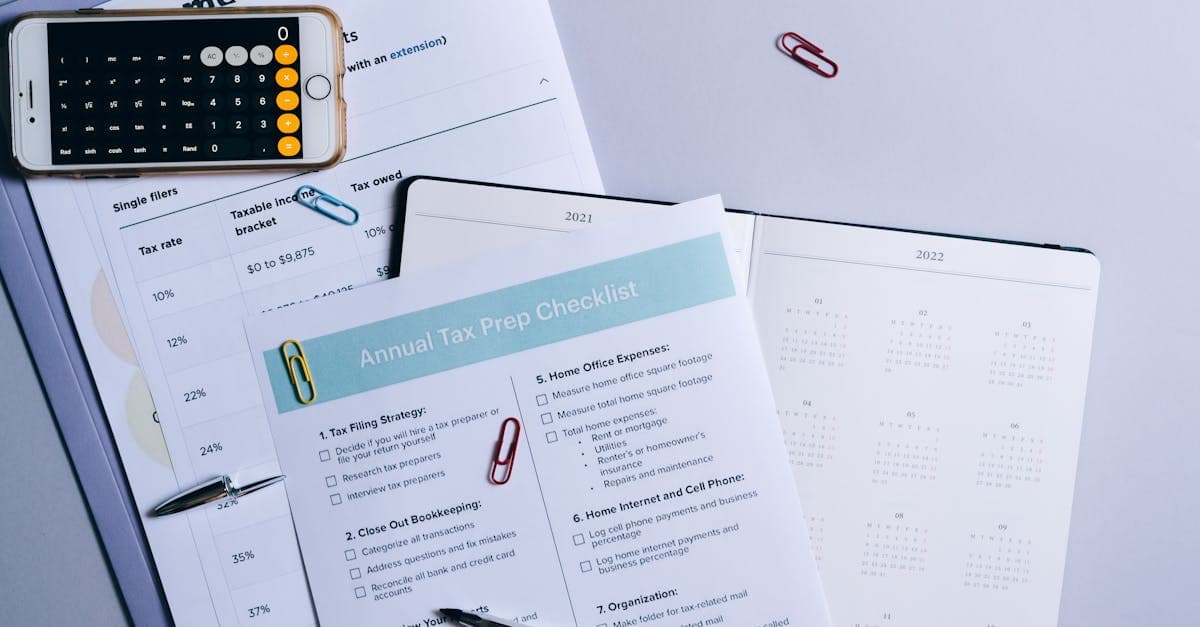
The Apples-to-Apples Guide to Comparing Insurance Quotes
Insurance quotes vary widely because they cover different things in different ways. Making an accurate comparison requires matching coverage limits, deductibles, and endorsements before looking at price.
Life Events That Should Trigger an Immediate Policy Review
Marriage, a new baby, a home purchase, retirement, and other major life events change your insurance needs overnight. Knowing which events require immediate review prevents dangerous coverage gaps.
How Assignment of Benefits Works in Homeowners Insurance Claims
When you sign an AOB, your contractor deals directly with your insurer and can even sue on your behalf. Learn how this process works and what it means for your homeowners claim.