Who Is Required to Carry Flood Insurance in Florida?

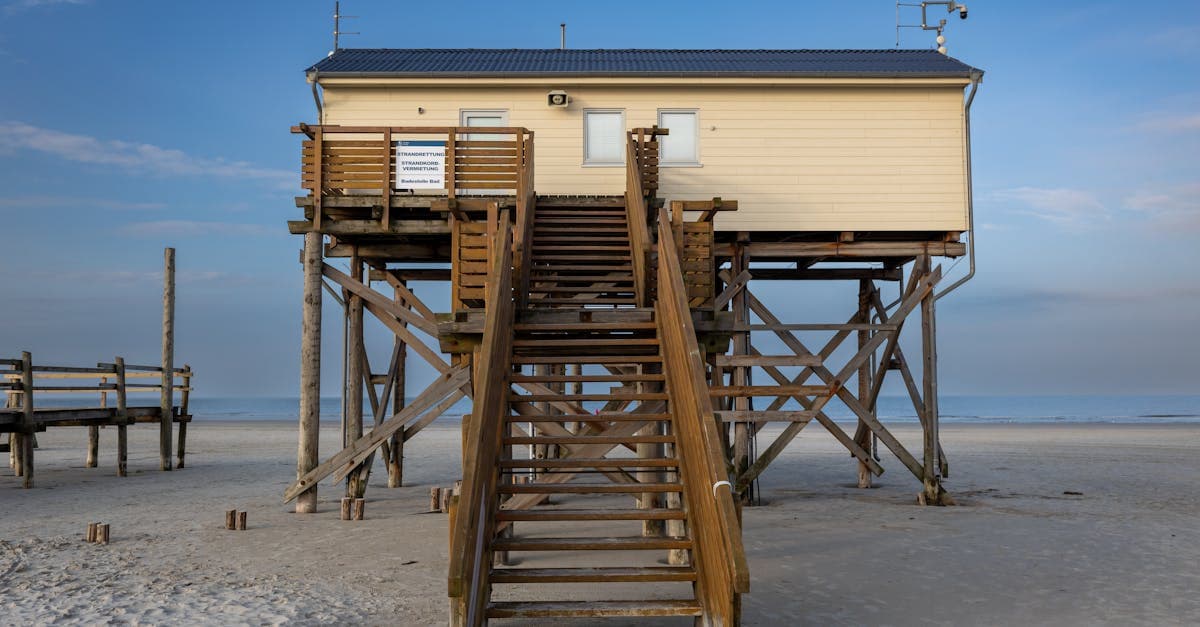
Florida leads the nation in flood insurance participation with approximately 1.7 million active NFIP policies — nearly 35 percent of all policies nationwide. This concentration reflects the reality that Florida has more properties in federally designated flood zones than any other state.
According to FEMA data, over 2.6 million Florida properties are in Special Flood Hazard Areas where flood insurance is required for federally backed mortgages. But total flood exposure extends far beyond these zones. First Street Foundation estimates that over 4.4 million Florida properties face meaningful flood risk, including millions in moderate and low-risk zones where no federal requirement exists.
The financial stakes are substantial. The average NFIP flood claim in Florida exceeds $50,000, and major flooding events routinely generate claims in the six figures. Meanwhile, fewer than 30 percent of Florida homes in moderate-risk zones carry flood insurance, creating a massive uninsured exposure.
These numbers reveal a critical disconnect: the federal requirement captures properties in the highest-risk zones, but Florida's flood exposure extends well beyond those boundaries. Understanding where the mandate applies — and where risk exists without a mandate — helps Florida homeowners make complete protection decisions.
Risk Rating 2.0 and Florida Flood Insurance Requirements
This is where consumers need to pay attention. FEMA's Risk Rating 2.0, implemented in October 2021 for new policies and April 2022 for renewals, fundamentally changed how flood insurance premiums are calculated in Florida. However, it did not change which properties are required to carry coverage.
What changed: Under the old rating system, premiums were based primarily on the flood zone designation, building elevation relative to the base flood elevation, and the type of flood zone. Risk Rating 2.0 introduced individualized rating that considers distance to water sources, types of flooding (river, coastal, rainfall), building replacement cost, building characteristics, and historical flood frequency.
What did not change: The mandatory purchase requirement remains tied to FEMA flood zone designations and mortgage type. Properties in Special Flood Hazard Areas with federally backed mortgages must still carry flood insurance regardless of how the premium is calculated. Risk Rating 2.0 changed the price, not the requirement.
Impact on Florida premiums: Risk Rating 2.0 produced mixed results in Florida. Some properties — particularly older, lower-value homes in moderate-risk areas — saw premium decreases. Many properties — especially higher-value coastal homes — saw significant increases. FEMA reports that nationally, about 23 percent of policyholders saw decreases while 77 percent saw increases under the new methodology.
Premium caps on increases: Federal law limits NFIP premium increases to 18 percent per year. Properties facing large increases under Risk Rating 2.0 will see their premiums rise gradually over multiple years until reaching the full actuarial rate. This means some Florida homeowners will experience annual premium increases for years before their rate fully reflects the new methodology.
Impact on voluntary coverage decisions: For Florida homeowners in non-mandatory zones considering voluntary flood insurance, Risk Rating 2.0 may make the cost more predictable because it reflects individual property risk rather than broad zone classifications. Properties farther from water sources and at higher elevations may see lower premiums than they would have under the old system.
Flood Insurance Requirements During the Florida Home-Buying Process
This is where consumers need to pay attention. For Florida homebuyers, understanding flood insurance requirements before making an offer prevents surprises at closing and ensures accurate budgeting for ongoing housing costs.
Pre-offer research: Before making an offer on a Florida property, check the FEMA flood zone designation. You can look this up at msc.fema.gov using the property address. If the property is in a flood zone, request a flood insurance quote before finalizing your offer so you understand the ongoing cost.
During the mortgage application: Your lender will order a flood zone determination as part of the loan process. This determination is performed by a third-party company and costs a nominal fee — typically $15 to $25. The determination confirms whether the property is in a Special Flood Hazard Area and whether flood insurance is required.
Before closing: If flood insurance is required, you must have an active policy in place before closing. Work with your insurance agent early in the process because obtaining flood insurance quotes and binding coverage takes time. For NFIP policies, the 30-day waiting period is waived when coverage is required for a new loan, but the policy must still be bound before closing day.
At closing: Proof of flood insurance — the declarations page showing adequate coverage and the lender listed as mortgagee — is a required closing document when the property is in a flood zone. Missing this document will delay or cancel the closing.
Budget considerations: Add the annual flood insurance premium to your housing cost calculation alongside mortgage payment, property taxes, homeowners insurance, and HOA fees. Flood insurance can add $700 to $3,000 or more to annual housing costs in Florida, which can affect your debt-to-income ratio and purchasing power.
Negotiation leverage: If a property requires flood insurance, this ongoing cost is a legitimate consideration in purchase price negotiations. The cumulative cost of flood insurance over a 30-year mortgage is significant and should factor into the overall value proposition of the property.
Private Flood Insurance in Florida: An Alternative to the NFIP
Your rights matter here. Florida has become the leading market for private flood insurance in the United States. Private insurers now offer flood policies that compete with and sometimes surpass the NFIP in coverage, pricing, and flexibility.
Meeting federal requirements with private coverage: Federal law allows private flood insurance policies to satisfy the mandatory purchase requirement if the policy meets specific standards. The policy must provide coverage at least as broad as the standard NFIP policy, be issued by a licensed insurer, and include a cancellation notice provision. Most private flood policies marketed in Florida meet these standards.
Advantages of private flood insurance: Private policies often offer higher coverage limits than the NFIP's $250,000 building maximum — some provide up to $1 million or more. They may include replacement cost coverage for contents, loss of use coverage for additional living expenses, and coverage for items the NFIP does not cover such as pool equipment and landscaping.
Pricing comparison: Private flood insurance is sometimes less expensive than the NFIP, particularly for properties that were adversely affected by Risk Rating 2.0 premium increases. Private insurers use their own risk models and may price certain properties more favorably. However, in other cases the NFIP is still the more affordable option.
Availability considerations: Private flood insurance availability in Florida fluctuates with the insurance market cycle. After major hurricane seasons, some private flood insurers pull back from the market, leaving homeowners to return to the NFIP. This market volatility is an important consideration when choosing between private and NFIP coverage.
Switching considerations: If you switch from NFIP to private flood insurance and later need to return to the NFIP, you may lose grandfathered premium rates. Consult with a flood insurance specialist before switching to understand the long-term implications.
Federal Disaster Assistance and Ongoing Flood Insurance Requirements in Florida
Your rights matter here. A lesser-known flood insurance requirement in Florida is triggered by receiving federal disaster assistance after a flood event. This requirement applies regardless of your flood zone or mortgage status.
The requirement: Under the Stafford Act, any property owner who receives federal disaster assistance for flood damage is required to maintain flood insurance on the property going forward. This applies to SBA disaster loans, FEMA Individual and Households Program grants, and other federal assistance related to flood damage.
Why it exists: The rationale is straightforward — if taxpayer funds help you recover from a flood once, you are expected to carry insurance to cover future floods rather than relying on taxpayer assistance again. The requirement is designed to reduce the cycle of repeated uninsured flood losses followed by disaster relief.
Duration: The requirement to maintain flood insurance after receiving disaster assistance is effectively permanent for the property. It applies for as long as the property exists at the location where the assistance was provided. If you sell the property, the requirement transfers to the new owner.
Enforcement: FEMA tracks properties that have received disaster assistance, and failure to maintain required flood insurance can result in denial of future disaster assistance. If you received an SBA disaster loan, the flood insurance requirement is a condition of the loan agreement.
Practical implications in Florida: Given the frequency of hurricanes and tropical storms in Florida, many properties have received federal disaster assistance at some point. Homeowners who received assistance after Hurricanes Irma, Michael, Ian, Milton, or other events may be subject to this ongoing requirement even if their property is outside a high-risk flood zone and they have no mortgage.
Checking your status: If you are unsure whether your property has a disaster-assistance-related flood insurance requirement, check your disaster assistance records or contact FEMA. The requirement may have been triggered by a previous owner's claim.
Private Flood Insurance in Florida: An Alternative to the NFIP
Your rights matter here. Florida has become the leading market for private flood insurance in the United States. Private insurers now offer flood policies that compete with and sometimes surpass the NFIP in coverage, pricing, and flexibility.
Meeting federal requirements with private coverage: Federal law allows private flood insurance policies to satisfy the mandatory purchase requirement if the policy meets specific standards. The policy must provide coverage at least as broad as the standard NFIP policy, be issued by a licensed insurer, and include a cancellation notice provision. Most private flood policies marketed in Florida meet these standards.
Advantages of private flood insurance: Private policies often offer higher coverage limits than the NFIP's $250,000 building maximum — some provide up to $1 million or more. They may include replacement cost coverage for contents, loss of use coverage for additional living expenses, and coverage for items the NFIP does not cover such as pool equipment and landscaping.
Pricing comparison: Private flood insurance is sometimes less expensive than the NFIP, particularly for properties that were adversely affected by Risk Rating 2.0 premium increases. Private insurers use their own risk models and may price certain properties more favorably. However, in other cases the NFIP is still the more affordable option.
Availability considerations: Private flood insurance availability in Florida fluctuates with the insurance market cycle. After major hurricane seasons, some private flood insurers pull back from the market, leaving homeowners to return to the NFIP. This market volatility is an important consideration when choosing between private and NFIP coverage.
Switching considerations: If you switch from NFIP to private flood insurance and later need to return to the NFIP, you may lose grandfathered premium rates. Consult with a flood insurance specialist before switching to understand the long-term implications.
Federal Disaster Assistance and Ongoing Flood Insurance Requirements in Florida
Your rights matter here. A lesser-known flood insurance requirement in Florida is triggered by receiving federal disaster assistance after a flood event. This requirement applies regardless of your flood zone or mortgage status.
The requirement: Under the Stafford Act, any property owner who receives federal disaster assistance for flood damage is required to maintain flood insurance on the property going forward. This applies to SBA disaster loans, FEMA Individual and Households Program grants, and other federal assistance related to flood damage.
Why it exists: The rationale is straightforward — if taxpayer funds help you recover from a flood once, you are expected to carry insurance to cover future floods rather than relying on taxpayer assistance again. The requirement is designed to reduce the cycle of repeated uninsured flood losses followed by disaster relief.
Duration: The requirement to maintain flood insurance after receiving disaster assistance is effectively permanent for the property. It applies for as long as the property exists at the location where the assistance was provided. If you sell the property, the requirement transfers to the new owner.
Enforcement: FEMA tracks properties that have received disaster assistance, and failure to maintain required flood insurance can result in denial of future disaster assistance. If you received an SBA disaster loan, the flood insurance requirement is a condition of the loan agreement.
Practical implications in Florida: Given the frequency of hurricanes and tropical storms in Florida, many properties have received federal disaster assistance at some point. Homeowners who received assistance after Hurricanes Irma, Michael, Ian, Milton, or other events may be subject to this ongoing requirement even if their property is outside a high-risk flood zone and they have no mortgage.
Checking your status: If you are unsure whether your property has a disaster-assistance-related flood insurance requirement, check your disaster assistance records or contact FEMA. The requirement may have been triggered by a previous owner's claim.
The Federal Flood Insurance Mandate in Florida
This is where consumers need to pay attention. The foundation of flood insurance requirements in Florida is federal law, specifically the National Flood Insurance Act of 1968 and the Flood Disaster Protection Act of 1973. These laws created the framework that the preventive treatment that federal regulations prescribe for Florida properties diagnosed with high flood risk based on FEMA mapping.
Who is covered by the mandate: Any property in a FEMA-designated Special Flood Hazard Area with a mortgage from a federally regulated or insured lender must carry flood insurance. This includes FHA loans, VA loans, USDA loans, and conventional loans sold to Fannie Mae or Freddie Mac — which covers the vast majority of residential mortgages in Florida.
What triggers the requirement: Two conditions must be met simultaneously. First, the property must be located in a Special Flood Hazard Area as shown on FEMA's Flood Insurance Rate Map. Second, the property must be secured by a loan from a federally regulated or federally insured financial institution. If either condition is absent, the federal mandate does not apply.
Coverage amount required: Federal law requires flood insurance coverage at least equal to the lesser of the outstanding mortgage balance or the maximum amount available under the NFIP — currently $250,000 for residential structures. Your lender may require more, but the federal minimum is the lesser of these two amounts.
Duration of the requirement: The flood insurance requirement lasts for the entire term of the mortgage. It cannot be waived or removed while the federally backed loan is outstanding, unless the property is officially removed from the Special Flood Hazard Area through a FEMA map revision.
Enforcement mechanism: Lenders are required by federal banking regulators to verify flood insurance at closing and monitor it throughout the loan. If a homeowner fails to maintain required coverage, the lender must force-place flood insurance — a more expensive policy that protects the lender's interest — and charge the cost to the borrower.
Flood Insurance Requirements for Florida Condos, Townhouses, and Renters
This is where consumers need to pay attention. Florida's large condo and rental markets create unique flood insurance questions. The requirements differ based on property type, ownership structure, and the nature of the mortgage.
Condo association master policies: In Florida flood zones, condo associations are expected to carry flood insurance on the building structure through the NFIP's Residential Condominium Building Association Policy. This master policy covers the building's common elements and structural components but does not cover individual unit improvements or personal property.
Individual condo owner coverage: Even when the association carries a master flood policy, individual Florida condo owners in flood zones need their own NFIP dwelling policy. This covers unit improvements — upgraded flooring, custom cabinetry, built-in fixtures — and personal property up to NFIP limits. Lenders may require individual coverage as a condition of the unit mortgage.
Townhouse considerations: Whether a townhouse in Florida is treated as a single-family home or a condo for flood insurance purposes depends on the ownership structure and declaration of condominium. Townhouses with individual fee-simple ownership are typically insured as single-family homes under the NFIP Standard Flood Insurance Policy.
Renters and flood insurance: Renters in Florida are not required to carry flood insurance because they do not own the structure and typically do not have a mortgage triggering the mandate. However, a landlord's flood policy does not cover the renter's personal property. NFIP contents-only policies are available for renters and are especially important in flood-prone Florida.
Landlord obligations: Florida landlords with federally backed mortgages on rental properties in flood zones must carry flood insurance on the building structure. The requirement follows the mortgage and property, not the occupancy type. Landlords should also consider whether their flood policy covers rental income loss during flood repairs.
What the Numbers Say About Flood Insurance Requirements in Florida
The data tells a compelling story. Florida holds 35 percent of all NFIP policies nationally. Over 2.6 million Florida properties are in Special Flood Hazard Areas. The average flood claim exceeds $50,000. And over 25 percent of claims come from outside mandatory zones.
These statistics confirm that flood insurance requirements in Florida, while essential, capture only part of the state's flood exposure. The 1.7 million active NFIP policies represent significant participation, but millions more Florida properties face flood risk without carrying coverage.
The financial math is straightforward. Average annual flood insurance premiums in Florida run $1,000 to $1,500. The average flood claim runs $50,000 or more. Over a 30-year period, total premiums of $30,000 to $45,000 buy protection against a single event that could cost $50,000, $100,000, or more. The expected value calculation strongly favors purchasing coverage.
For Florida homeowners, the data-driven conclusion is clear: if your property faces flood risk — and in Florida, the vast majority of properties do — flood insurance is one of the most cost-effective financial protections available, whether it is legally required or not.
Continue reading

The Apples-to-Apples Guide to Comparing Insurance Quotes
Insurance quotes vary widely because they cover different things in different ways. Making an accurate comparison requires matching coverage limits, deductibles, and endorsements before looking at price.

Life Events That Should Trigger an Immediate Policy Review
Marriage, a new baby, a home purchase, retirement, and other major life events change your insurance needs overnight. Knowing which events require immediate review prevents dangerous coverage gaps.

How Assignment of Benefits Works in Homeowners Insurance Claims
When you sign an AOB, your contractor deals directly with your insurer and can even sue on your behalf. Learn how this process works and what it means for your homeowners claim.