PIP Coverage in Florida: What It Covers and What It Does Not

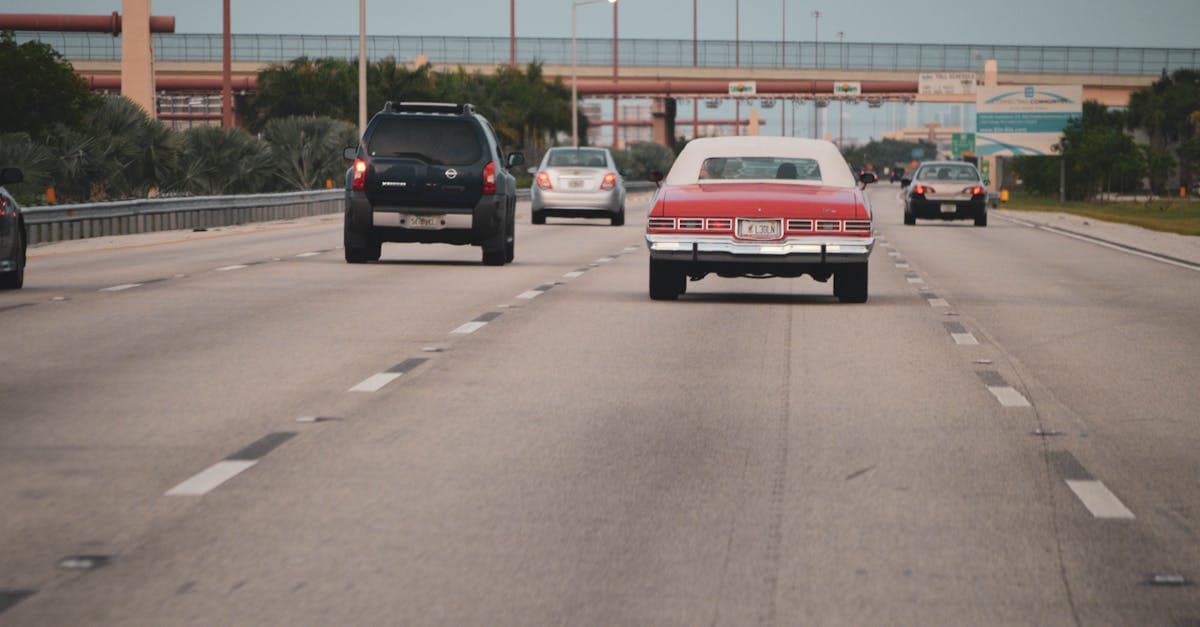
The Insurance Information Institute reports that approximately 20 percent of Florida drivers are uninsured — one of the highest rates in the nation. Among those who do carry insurance, a significant percentage carry only the state minimum: $10,000 in PIP and $10,000 in property damage liability. The average auto insurance premium in Florida exceeds $3,000 annually, ranking among the top five most expensive states.
These numbers reveal a troubling paradox. Florida requires some of the lowest minimum coverage in the nation yet charges some of the highest premiums. The average cost of a bodily injury claim exceeds $20,000 nationally, and Florida's no-fault system limits the ability of injured parties to pursue the at-fault driver. Meanwhile, the average cost of vehicle repairs has increased over 20 percent in recent years, making the $10,000 property damage liability limit increasingly inadequate.
Florida's PIP system was designed to reduce litigation and speed up medical payments. Data suggests it has succeeded in the speed category — PIP claims are processed faster than liability claims in traditional tort states. However, fraud concerns and rising medical costs have created upward premium pressure that makes even minimum coverage expensive for many Florida drivers.
These statistics form the backdrop for every coverage decision you make as a Florida driver. Understanding the data helps you move beyond the legal minimum to a coverage level that actually protects you against the financial realities of driving in one of the most crash-prone and expensive insurance markets in the country.
Penalties for Driving Without Insurance in Florida
This is where consumers need to pay attention. Florida enforces its insurance requirements through a combination of electronic verification, traffic enforcement, and financial penalties. The consequences of driving without required insurance are significant and escalate with repeat offenses.
License and registration suspension: If your insurance lapses, Florida's electronic insurance verification system detects the gap and your registration can be suspended. You receive a notice and a brief window to provide proof of coverage. If you fail to respond or restore coverage, the suspension takes effect and driving on a suspended registration adds additional violations.
Reinstatement fees: Getting your license and registration reinstated after an insurance-related suspension costs $150 for a first offense, $250 for a second offense within three years, and $500 for a third or subsequent offense within three years. These fees are in addition to any back premiums you owe to restore your coverage.
Vehicle impoundment: Repeat offenders may have their vehicles impounded. Getting your vehicle out of impound requires proof of insurance, payment of storage fees, and reinstatement of your registration. The combined costs can quickly exceed $1,000 for a violation that started with trying to save a few hundred dollars in premium.
Accident consequences without insurance: If you are involved in an accident while uninsured, the consequences escalate dramatically. Your license is suspended for up to three years. You must file an SR-22 and carry bodily injury liability coverage for three years. And you lose the right to sue for non-economic damages (pain and suffering) from the accident, even if the other driver was at fault.
The electronic verification system: Florida uses the Financial Responsibility Verification System to check insurance status electronically. This system cross-references vehicle registrations with insurer databases, identifying gaps in coverage without requiring a traffic stop. If a gap is detected, you receive a notice to provide proof of coverage within 30 days.
Florida Insurance for Leased and Financed Vehicles
Your rights matter here. If you lease or finance a vehicle in Florida, your lender or leasing company requires coverage far beyond the state minimums. Understanding these additional requirements ensures you remain compliant with both state law and your financing agreement.
Lender requirements beyond state minimums: While Florida only requires PIP and PDL, virtually every auto lender requires comprehensive and collision coverage as well. The lender has a financial interest in the vehicle and needs assurance that damage or total loss will be covered by insurance. Most lenders specify maximum deductible amounts — typically $500 or $1,000 — for both comprehensive and collision.
Lease company requirements: Lease agreements typically require even more specific coverage including comprehensive and collision with specified deductibles, liability coverage at higher-than-minimum limits (often 100/300/100), gap coverage or lease payoff coverage, and the leasing company listed as an additional insured and loss payee.
Gap insurance importance in Florida: Given Florida's high vehicle values and rapid depreciation in the Sunshine State's harsh sun and humidity, gap insurance is particularly important. If your leased or financed vehicle is totaled, the insurance payout is based on actual cash value — which may be significantly less than your remaining loan balance. Gap coverage pays the difference, preventing you from owing thousands on a vehicle you no longer have.
Force-placed insurance risk: If you fail to maintain the required coverage on a leased or financed vehicle, the lender will purchase force-placed insurance and add the cost to your loan payments. Force-placed insurance is dramatically more expensive than coverage you purchase yourself and provides only the minimum protection the lender requires — no PIP, no liability, and no protection for you.
Compliance monitoring: Lenders actively monitor insurance compliance through electronic verification systems. If your coverage lapses or your policy does not meet lender requirements, you will receive a notice and a short window to correct the deficiency. Responding promptly prevents force-placed insurance and potential loan default consequences.
Florida's Windshield Coverage Law
This is where consumers need to pay attention. Florida has one of the most driver-friendly windshield coverage laws in the nation. Understanding this benefit can save you hundreds of dollars on windshield repairs and replacements that you might otherwise pay out of pocket.
The zero-deductible benefit: Florida law requires auto insurers to offer comprehensive coverage that includes windshield replacement without applying a deductible. If you carry comprehensive insurance in Florida, your windshield can be replaced at no out-of-pocket cost to you. This benefit applies regardless of your comprehensive deductible amount.
What is covered: The zero-deductible benefit specifically applies to windshield damage — the front glass of your vehicle. Chips, cracks, and full breaks are all covered. The benefit covers the cost of a new windshield including installation and any necessary recalibration of advanced driver assistance systems. Side and rear glass may still be subject to your comprehensive deductible.
How to use the benefit: If your windshield is damaged, contact your insurer or an approved glass repair company to schedule replacement. You do not need to file a formal claim — most glass companies handle the insurance billing directly. The replacement should be completed without any payment from you if you have comprehensive coverage.
Rate impact concerns: Florida law prohibits insurers from raising your premium solely because you filed a windshield claim. This no-surcharge protection encourages drivers to replace damaged windshields promptly rather than driving with compromised glass. However, excessive glass claims combined with other claims could still affect your overall premium at renewal.
Why this matters for Florida drivers: Florida's roads generate significant windshield damage from construction debris, gravel trucks, and highway driving. The state's zero-deductible windshield law recognizes this reality and ensures that drivers with comprehensive coverage can maintain safe, undamaged windshields without financial barriers.
Penalties for Driving Without Insurance in Florida
This is where consumers need to pay attention. Florida enforces its insurance requirements through a combination of electronic verification, traffic enforcement, and financial penalties. The consequences of driving without required insurance are significant and escalate with repeat offenses.
License and registration suspension: If your insurance lapses, Florida's electronic insurance verification system detects the gap and your registration can be suspended. You receive a notice and a brief window to provide proof of coverage. If you fail to respond or restore coverage, the suspension takes effect and driving on a suspended registration adds additional violations.
Reinstatement fees: Getting your license and registration reinstated after an insurance-related suspension costs $150 for a first offense, $250 for a second offense within three years, and $500 for a third or subsequent offense within three years. These fees are in addition to any back premiums you owe to restore your coverage.
Vehicle impoundment: Repeat offenders may have their vehicles impounded. Getting your vehicle out of impound requires proof of insurance, payment of storage fees, and reinstatement of your registration. The combined costs can quickly exceed $1,000 for a violation that started with trying to save a few hundred dollars in premium.
Accident consequences without insurance: If you are involved in an accident while uninsured, the consequences escalate dramatically. Your license is suspended for up to three years. You must file an SR-22 and carry bodily injury liability coverage for three years. And you lose the right to sue for non-economic damages (pain and suffering) from the accident, even if the other driver was at fault.
The electronic verification system: Florida uses the Financial Responsibility Verification System to check insurance status electronically. This system cross-references vehicle registrations with insurer databases, identifying gaps in coverage without requiring a traffic stop. If a gap is detected, you receive a notice to provide proof of coverage within 30 days.
The Missing Coverage: Why Florida Skips Bodily Injury Liability
Your rights matter here. Florida is one of only two states that do not require drivers to carry bodily injury liability insurance. This means if you cause an accident and injure someone, there is no mandatory insurance to cover their medical bills, lost wages, or pain and suffering. Understanding this gap is critical for every Florida driver.
What bodily injury liability covers: In states that require it, BIL pays for injuries you cause to other people in an at-fault accident. It covers their medical expenses, rehabilitation costs, lost income, and in some cases pain and suffering. Without this coverage, every dollar of these costs falls on you personally.
Why Florida does not require it: Florida's no-fault system was designed so that each driver's own PIP coverage handles their medical expenses, reducing the need for one driver to sue another. In theory, PIP handles medical costs and the tort threshold limits lawsuits to serious injuries. In practice, PIP's $10,000 limit is exhausted quickly, and serious injury lawsuits proceed with no bodily injury coverage to satisfy the judgment.
The financial exposure: If you cause an accident that seriously injures another person — broken bones, head trauma, spinal injuries — medical costs can reach $100,000 to $500,000 or more. Without bodily injury liability, a court judgment for these costs comes directly from your personal assets. Your savings, your home equity, and your future wages can all be seized to satisfy the judgment.
When Florida requires BIL after the fact: Florida's financial responsibility law requires bodily injury liability of 10/20 ($10,000 per person, $20,000 per accident) after an at-fault bodily injury accident or certain violations. This retroactive requirement means the state acknowledges the need for BIL but only mandates it after you have demonstrated why you need it.
The recommendation: Nearly every insurance professional recommends Florida drivers carry bodily injury liability of at least 50/100 ($50,000 per person, $100,000 per accident) and preferably 100/300. The cost is a fraction of the potential exposure, and it converts a catastrophic personal liability into a manageable insurance premium.
Florida's Tort Threshold: When Lawsuits Are Allowed
This is where consumers need to pay attention. Florida's no-fault system limits your ability to sue after a car accident, but it does not eliminate lawsuits entirely. Understanding the tort threshold tells you when injured parties can step outside the no-fault system and pursue the at-fault driver for full damages.
The statutory threshold: Florida Statute 627.737 allows an injured person to sue the at-fault driver when injuries result in significant and permanent loss of an important bodily function, permanent injury within a reasonable degree of medical probability, significant and permanent scarring or disfigurement, or death.
What meets the threshold: Broken bones requiring surgical repair, traumatic brain injuries, spinal cord damage, permanent joint dysfunction, large visible scars, and loss of limb or organ function typically meet the threshold. These injuries must be documented by medical professionals and supported by diagnostic evidence.
What usually does not meet the threshold: Soft tissue injuries like mild whiplash, temporary pain that resolves with treatment, minor bruising and abrasions, and short-term limitations that fully heal typically do not meet the serious injury threshold. Drivers with these injuries are generally limited to their PIP benefits and cannot sue for additional damages.
The gray area: Many injuries fall in a gray area where meeting the threshold depends on medical documentation, the permanence of symptoms, and legal interpretation. Herniated discs, persistent nerve damage, and moderate scarring may or may not qualify depending on their severity and long-term prognosis. This uncertainty affects both the at-fault driver's lawsuit exposure and the injured party's ability to recover full damages.
Why the threshold matters for coverage decisions: If you cause an accident that produces serious injuries meeting the tort threshold, the injured party can sue you for medical expenses, lost wages, pain and suffering, and other damages. Without bodily injury liability coverage, you defend this lawsuit with your personal assets. The tort threshold determines the line between PIP handling the situation and a lawsuit threatening your financial future.
Florida Insurance Requirements for Rideshare Drivers
Your rights matter here. Uber and Lyft drivers in Florida face layered insurance requirements that change depending on their rideshare activity status. Understanding these layers prevents dangerous gaps that could leave you uninsured during part of your driving.
Period 0 — app off: When the rideshare app is off, you are driving as a regular Florida motorist and your personal insurance applies. Standard Florida minimums (PIP and PDL) are the legal requirement, though recommended coverage is significantly higher for anyone using their vehicle for rideshare income.
Period 1 — app on, no match: When the app is on but you have not been matched with a rider, your personal insurance may not cover you because many personal policies exclude commercial use. Florida law requires rideshare companies to provide contingent coverage during this period, typically at reduced limits.
Period 2 — en route to pickup: Once you accept a ride request, the rideshare company's commercial policy activates with higher limits. In Florida, this coverage typically includes $1 million in liability coverage provided by the rideshare company. Your personal policy generally does not apply during this period.
Period 3 — passenger in vehicle: With a passenger in your vehicle, the rideshare company's commercial coverage applies at its full limits, typically $1 million in liability plus comprehensive and collision coverage for your vehicle (subject to a deductible). This is the highest level of coverage during rideshare activity.
The personal policy gap: The critical gap for Florida rideshare drivers is Period 1, when the app is on but no ride is matched. Your personal insurer may deny claims during this period because you are engaged in commercial activity. Rideshare endorsements — available from many Florida insurers — fill this gap by extending personal coverage to include app-on periods. Without this endorsement, you risk an uncovered claim every time you turn on the rideshare app.
The Missing Coverage: Why Florida Skips Bodily Injury Liability
Your rights matter here. Florida is one of only two states that do not require drivers to carry bodily injury liability insurance. This means if you cause an accident and injure someone, there is no mandatory insurance to cover their medical bills, lost wages, or pain and suffering. Understanding this gap is critical for every Florida driver.
What bodily injury liability covers: In states that require it, BIL pays for injuries you cause to other people in an at-fault accident. It covers their medical expenses, rehabilitation costs, lost income, and in some cases pain and suffering. Without this coverage, every dollar of these costs falls on you personally.
Why Florida does not require it: Florida's no-fault system was designed so that each driver's own PIP coverage handles their medical expenses, reducing the need for one driver to sue another. In theory, PIP handles medical costs and the tort threshold limits lawsuits to serious injuries. In practice, PIP's $10,000 limit is exhausted quickly, and serious injury lawsuits proceed with no bodily injury coverage to satisfy the judgment.
The financial exposure: If you cause an accident that seriously injures another person — broken bones, head trauma, spinal injuries — medical costs can reach $100,000 to $500,000 or more. Without bodily injury liability, a court judgment for these costs comes directly from your personal assets. Your savings, your home equity, and your future wages can all be seized to satisfy the judgment.
When Florida requires BIL after the fact: Florida's financial responsibility law requires bodily injury liability of 10/20 ($10,000 per person, $20,000 per accident) after an at-fault bodily injury accident or certain violations. This retroactive requirement means the state acknowledges the need for BIL but only mandates it after you have demonstrated why you need it.
The recommendation: Nearly every insurance professional recommends Florida drivers carry bodily injury liability of at least 50/100 ($50,000 per person, $100,000 per accident) and preferably 100/300. The cost is a fraction of the potential exposure, and it converts a catastrophic personal liability into a manageable insurance premium.
What the Numbers Tell Us About Florida Insurance
The statistics paint a clear picture of the risks Florida drivers face. One in five drivers is uninsured. The average bodily injury claim exceeds $20,000. The average vehicle repair cost exceeds Florida's $10,000 property damage liability minimum. And Florida's PIP limit has not increased in over fifty years despite medical cost inflation that has made $10,000 a fraction of what a serious injury costs.
The data also shows that the cost difference between minimum and recommended coverage in Florida is far smaller than the risk difference. Adding bodily injury liability and uninsured motorist coverage typically costs $1,000 to $2,000 per year — significant, but far less than the tens or hundreds of thousands of dollars a single serious accident can cost an uninsured or underinsured driver.
The data-driven approach is straightforward. Carry bodily injury liability at the highest level you can reasonably afford. Add uninsured motorist coverage to protect against Florida's enormous uninsured driver population. Set your PIP deductible based on your health insurance status. And increase your property damage liability well beyond the $10,000 minimum to reflect actual vehicle values.
Numbers do not lie. Florida's minimums were set for a different era and have not kept pace with reality. The data tells every Florida driver the same thing: the legal minimum is not enough.
Continue reading

The Apples-to-Apples Guide to Comparing Insurance Quotes
Insurance quotes vary widely because they cover different things in different ways. Making an accurate comparison requires matching coverage limits, deductibles, and endorsements before looking at price.
Life Events That Should Trigger an Immediate Policy Review
Marriage, a new baby, a home purchase, retirement, and other major life events change your insurance needs overnight. Knowing which events require immediate review prevents dangerous coverage gaps.

How Assignment of Benefits Works in Homeowners Insurance Claims
When you sign an AOB, your contractor deals directly with your insurer and can even sue on your behalf. Learn how this process works and what it means for your homeowners claim.