Why Preparation Before Filing a Claim Matters More Than You Think

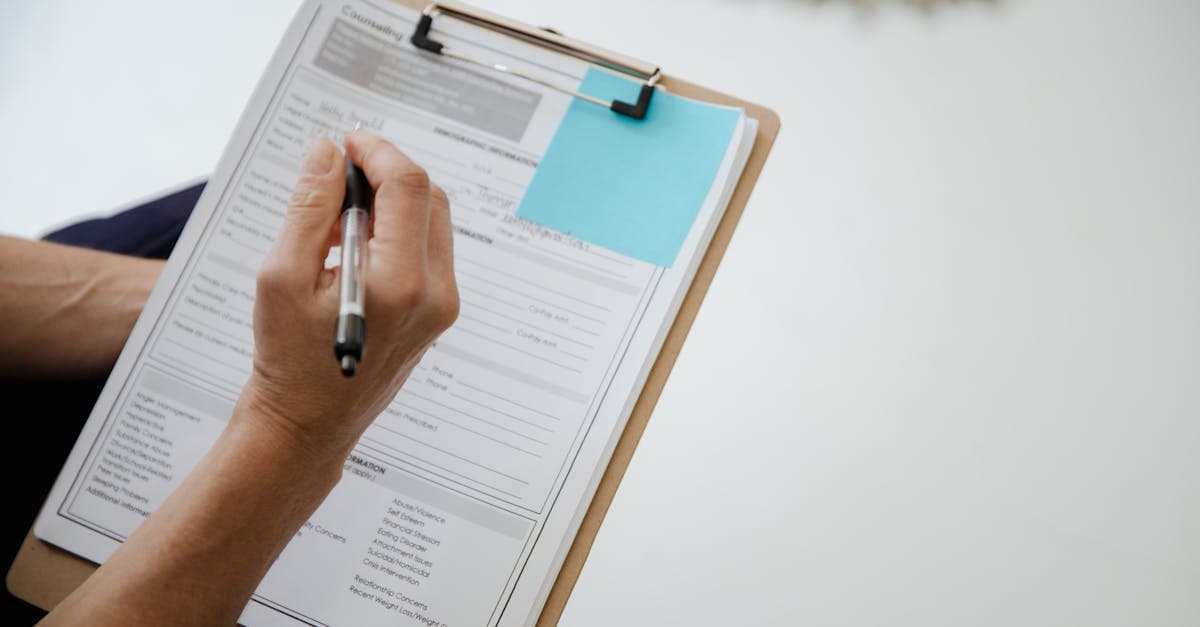
The data on insurance claim outcomes reveals a striking correlation between pre-filing preparation and settlement quality. Policyholders who document damage thoroughly and understand their coverage before filing consistently achieve better results than those who rush into the process unprepared.
Industry data shows that approximately 1 in 15 insured homes file a property insurance claim each year. The average homeowners insurance claim costs around $13,000, but settlements vary dramatically based on documentation quality and policyholder preparation. Claims with comprehensive photo evidence and organized documentation process faster and settle higher.
The financial calculation before filing is equally important. Your deductible — the amount you pay before insurance kicks in — ranges from $500 to $5,000 or more on most homeowners policies. If your damage estimate is close to your deductible, the net payment after deductible may not justify the claim, especially when you factor in potential premium increases of 7 to 25 percent that can persist for three to five years.
Understanding these numbers before filing transforms the claim decision from an emotional reaction into a rational financial analysis. The prepared policyholder knows exactly what they stand to gain and lose from filing, and they enter the process with documentation that supports their position at every stage.
When You Need a Police Report Before Filing a Claim
This is where consumers need to pay attention. Certain types of insurance claims require a police report as a condition of coverage. Filing the report promptly and including the right details ensures your claim meets your insurer's requirements and proceeds without administrative delays.
Theft claims always require a police report: If your claim involves stolen property — whether from a burglary, vehicle break-in, or theft from your yard — file a police report as soon as you discover the theft. Your insurer will require the report number and a copy of the report.
Vandalism claims need police documentation: Property damage from vandalism should be reported to police before filing an insurance claim. The police report establishes that the damage was caused by criminal activity rather than normal wear, owner negligence, or pre-existing conditions.
Vehicle accident claims: Auto insurance claims for collisions and certain other incidents require a police accident report. If police respond to the scene, ensure you get the report number. If they do not respond, visit the local police station to file a report.
What to include in the police report: Provide a detailed description of what happened, when you discovered the damage or loss, an itemized list of stolen or damaged property, estimated values, and any witness information. The more detail in the report, the stronger your claim.
Get the report number immediately: Note the report number, the responding officer's name and badge number, and the department contact information. Your insurer will request this information when you file your claim.
Follow up on the report: Police reports may take several days to be finalized and available for copies. Follow up with the department to obtain a copy for your records and your insurer. Some departments make reports available online with the report number.
When You Should Not File an Insurance Claim
Your rights matter here. Not every loss should become an insurance claim. Understanding when filing does not make sense saves you money in the long run and preserves your claims history for losses where insurance provides genuine financial benefit.
Damage barely exceeding your deductible: If your damage estimate is $3,000 and your deductible is $2,500, the claim payment would be $500. Premium increases of 10 percent on a $1,500 annual premium add $150 per year for three to five years — $450 to $750 total. The claim barely breaks even or costs you money.
Cosmetic damage that does not affect function: Minor cosmetic damage like a small dent in siding or a superficial scratch on a floor may not justify filing. These repairs can often be deferred or handled affordably out of pocket.
Maintenance-related issues: Insurance covers sudden and accidental damage, not gradual deterioration or maintenance failures. If damage results from deferred maintenance — like a leaking pipe you knew about — the claim may be denied anyway, and the inquiry appears on your record.
When you have recent claims: If you have filed one or more claims in the past three to five years, a new claim compounds premium increases and may trigger non-renewal. Consider absorbing smaller losses to protect your claims history and continued coverage.
When the cause is excluded: Review your policy exclusions before filing. If the damage is caused by an excluded peril — flood, earthquake, gradual water damage — the claim will be denied. A denied claim still appears on your CLUE report and may still affect your rates.
When liability is questionable: If your responsibility for the damage is unclear, filing a claim invites investigation. If the investigation reveals that you were at fault for the damage through negligence, the claim outcome may not be favorable.
Making Temporary Repairs Before Filing: Your Duty to Mitigate
Your rights matter here. Your insurance policy requires you to take reasonable steps to prevent further damage after a loss. This duty to mitigate means you should make temporary repairs — but understanding the difference between temporary mitigation and premature permanent repair is critical.
What temporary repairs include: Covering broken windows with plywood or plastic sheeting. Placing tarps over damaged roof sections. Extracting standing water and running fans or dehumidifiers. Turning off water to a burst pipe. Moving undamaged belongings away from affected areas. These actions prevent additional damage without altering the original damage evidence.
What to avoid before the adjuster visit: Do not replace flooring, repair drywall, repaint, or make any permanent repairs before the adjuster inspects. Permanent repairs remove the evidence the adjuster needs to assess damage accurately. If you must make permanent repairs for safety reasons, document the damage extensively with photos and video first.
Document your mitigation efforts: Photograph the temporary repairs you make. Save receipts for materials like tarps, plywood, plastic sheeting, and equipment rental. Keep a log of time spent on mitigation. These costs are typically reimbursable as part of your claim.
Emergency services are appropriate: Calling an emergency plumber to stop a water leak, an emergency board-up service to secure broken windows, or a water extraction company to prevent mold are all appropriate pre-claim actions. These services prevent further damage and their costs are generally covered.
Save all receipts: Every dollar you spend on temporary repairs and mitigation should be documented with receipts. These expenses are reimbursable above and beyond your damage claim in most policies. Keep receipts organized and clearly labeled.
Communicate with your insurer about urgent repairs: If permanent repairs cannot wait — such as a furnace replacement in winter — contact your insurer before proceeding. Get verbal approval and document the conversation. Then photograph the damaged item extensively before it is removed or repaired.
Preparing for the Insurance Adjuster's Visit
This is where consumers need to pay attention. The adjuster inspection is the pivotal moment in your claim process. How well you prepare for this visit directly influences the accuracy and completeness of the damage assessment — and ultimately your settlement amount. This preparation is diagnosing your situation completely — reviewing coverage, documenting damage, and understanding your deductible — before prescribing the claim filing.
Make all damage accessible: Clear debris and belongings from damaged areas so the adjuster can inspect thoroughly. Unlock gates, clear paths to exterior damage, and ensure access to attics, crawl spaces, and basements where damage may extend.
Have your documentation ready: Organize your photos, videos, damage inventory, receipts, and repair estimates in a folder or binder the adjuster can review. A well-organized presentation signals that you are a prepared and credible policyholder.
Walk the property before the adjuster arrives: Do a pre-inspection walkthrough to identify all damage you want the adjuster to see. Make a written list so you do not forget to point out anything during the actual inspection. Hidden damage and secondary effects are easy to miss.
Be present during the inspection: Always be present when the adjuster inspects your property. Walk with them, point out damage they might miss, and ask questions about their assessment. Your presence ensures a more thorough inspection.
Take notes during the inspection: Document what the adjuster says, what they photograph, and what they measure. Note any areas they skip or damage they seem to undercount. These notes are valuable if you need to dispute the assessment later.
Ask about next steps: Before the adjuster leaves, ask about the timeline for receiving their report, how to submit additional documentation if you find more damage, and who to contact with questions. Understanding the post-inspection process reduces uncertainty and helps you follow up appropriately.
Making Temporary Repairs Before Filing: Your Duty to Mitigate
Your rights matter here. Your insurance policy requires you to take reasonable steps to prevent further damage after a loss. This duty to mitigate means you should make temporary repairs — but understanding the difference between temporary mitigation and premature permanent repair is critical.
What temporary repairs include: Covering broken windows with plywood or plastic sheeting. Placing tarps over damaged roof sections. Extracting standing water and running fans or dehumidifiers. Turning off water to a burst pipe. Moving undamaged belongings away from affected areas. These actions prevent additional damage without altering the original damage evidence.
What to avoid before the adjuster visit: Do not replace flooring, repair drywall, repaint, or make any permanent repairs before the adjuster inspects. Permanent repairs remove the evidence the adjuster needs to assess damage accurately. If you must make permanent repairs for safety reasons, document the damage extensively with photos and video first.
Document your mitigation efforts: Photograph the temporary repairs you make. Save receipts for materials like tarps, plywood, plastic sheeting, and equipment rental. Keep a log of time spent on mitigation. These costs are typically reimbursable as part of your claim.
Emergency services are appropriate: Calling an emergency plumber to stop a water leak, an emergency board-up service to secure broken windows, or a water extraction company to prevent mold are all appropriate pre-claim actions. These services prevent further damage and their costs are generally covered.
Save all receipts: Every dollar you spend on temporary repairs and mitigation should be documented with receipts. These expenses are reimbursable above and beyond your damage claim in most policies. Keep receipts organized and clearly labeled.
Communicate with your insurer about urgent repairs: If permanent repairs cannot wait — such as a furnace replacement in winter — contact your insurer before proceeding. Get verbal approval and document the conversation. Then photograph the damaged item extensively before it is removed or repaired.
Preparing for the Insurance Adjuster's Visit
This is where consumers need to pay attention. The adjuster inspection is the pivotal moment in your claim process. How well you prepare for this visit directly influences the accuracy and completeness of the damage assessment — and ultimately your settlement amount. This preparation is diagnosing your situation completely — reviewing coverage, documenting damage, and understanding your deductible — before prescribing the claim filing.
Make all damage accessible: Clear debris and belongings from damaged areas so the adjuster can inspect thoroughly. Unlock gates, clear paths to exterior damage, and ensure access to attics, crawl spaces, and basements where damage may extend.
Have your documentation ready: Organize your photos, videos, damage inventory, receipts, and repair estimates in a folder or binder the adjuster can review. A well-organized presentation signals that you are a prepared and credible policyholder.
Walk the property before the adjuster arrives: Do a pre-inspection walkthrough to identify all damage you want the adjuster to see. Make a written list so you do not forget to point out anything during the actual inspection. Hidden damage and secondary effects are easy to miss.
Be present during the inspection: Always be present when the adjuster inspects your property. Walk with them, point out damage they might miss, and ask questions about their assessment. Your presence ensures a more thorough inspection.
Take notes during the inspection: Document what the adjuster says, what they photograph, and what they measure. Note any areas they skip or damage they seem to undercount. These notes are valuable if you need to dispute the assessment later.
Ask about next steps: Before the adjuster leaves, ask about the timeline for receiving their report, how to submit additional documentation if you find more damage, and who to contact with questions. Understanding the post-inspection process reduces uncertainty and helps you follow up appropriately.
How to Document Damage Thoroughly Before Filing
This is where consumers need to pay attention. Thorough damage documentation is the thorough diagnostic workup completed before treatment begins so the doctor knows exactly what to address. The quality and completeness of your documentation directly determines how smoothly your claim proceeds and how accurately your settlement reflects your actual losses.
Photograph everything from multiple angles: Take wide shots showing the overall scope of damage, medium shots showing specific damaged areas, and close-up shots showing detail. Capture damage from at least three angles so the adjuster can understand the full extent without being there in person.
Create a video walkthrough: Walk through every affected area while narrating what you see. Video provides context that photos cannot — the spatial relationship between damaged areas, the extent of water or debris, and details that still photos might miss.
Document hidden and secondary damage: Look beyond the obvious damage for secondary effects. Water damage may have spread behind walls. Smoke from a fire may have affected distant rooms. Wind may have loosened shingles you cannot see from the ground. Document anything you find or suspect.
Include timestamps and context: Ensure your photos and videos have date and time stamps enabled. Take a photo of a newspaper or dated receipt alongside the damage to establish timing if timestamps are questioned.
Write a detailed damage description: Supplement photos with a written list of every damaged item and area. Include room locations, item descriptions, approximate ages, and estimated replacement costs. This written record reinforces your visual documentation.
Preserve damaged items: Do not throw away damaged belongings until your insurer approves disposal. Keep damaged items accessible for the adjuster to inspect. If items must be removed for safety or health reasons, photograph them thoroughly first and save samples if possible.
Getting Repair Estimates Before Filing Your Claim
Your rights matter here. Independent repair estimates give you a realistic picture of your damage costs and provide valuable leverage when your insurer's adjuster produces their own estimate. Getting estimates before filing puts you in a stronger negotiating position from the start.
Get at least two estimates: Contact two or three licensed contractors for repair estimates. Multiple estimates establish a reasonable range for repair costs and demonstrate to your insurer that you have done your due diligence.
Choose reputable, licensed contractors: Use licensed, insured contractors with established reputations. Estimates from fly-by-night or unlicensed contractors carry less weight with adjusters. Ask for references and verify licensing before requesting estimates.
Request detailed, itemized estimates: A useful estimate breaks down costs by materials, labor, and specific repair tasks. A lump-sum estimate lacks the detail needed for meaningful comparison with your insurer's estimate. Request line-item breakdowns for every major repair component.
Document the estimating process: Save copies of all estimates and note the date, contractor name, and license number for each. If the contractor identifies damage you missed, have them show you and photograph the additional damage before they leave.
Use estimates for your filing decision: Your contractor estimates feed directly into the deductible calculation. If two contractors estimate $4,000 in damage and your deductible is $2,500, you are looking at a $1,500 claim payment — which may or may not justify filing after considering premium impacts.
Estimates as negotiating tools: If your insurer's adjuster estimates damage at $3,000 but your independent contractors estimated $5,000, your estimates provide the basis for a conversation about the discrepancy. Detailed estimates with line-item comparisons are particularly effective in these discussions.
What the Numbers Say About Claim Preparation
The data supports a clear conclusion: preparation before filing directly correlates with claim outcomes. Well-documented claims settle faster and more accurately. Claims filed without adequate documentation take longer and settle for less.
The deductible math is equally clear. Claims that barely exceed your deductible often cost more in premium increases than they pay in settlement. A $500 claim payment that triggers $750 in premium increases over three years is a net loss of $250.
The statistics on claim frequency reinforce selective filing. The average homeowner files a claim every ten years. Making that one claim count by preparing thoroughly is more important than filing multiple small claims that erode your claims history and increase your premiums.
Invest in preparation. Run the numbers before you file. Document thoroughly before you call. And enter the claims process with the evidence and knowledge that produces the best possible outcome for your specific situation.
Continue reading

The Apples-to-Apples Guide to Comparing Insurance Quotes
Insurance quotes vary widely because they cover different things in different ways. Making an accurate comparison requires matching coverage limits, deductibles, and endorsements before looking at price.
Life Events That Should Trigger an Immediate Policy Review
Marriage, a new baby, a home purchase, retirement, and other major life events change your insurance needs overnight. Knowing which events require immediate review prevents dangerous coverage gaps.
How Assignment of Benefits Works in Homeowners Insurance Claims
When you sign an AOB, your contractor deals directly with your insurer and can even sue on your behalf. Learn how this process works and what it means for your homeowners claim.