When Your Homeowners Policy Pays for Mold Remediation

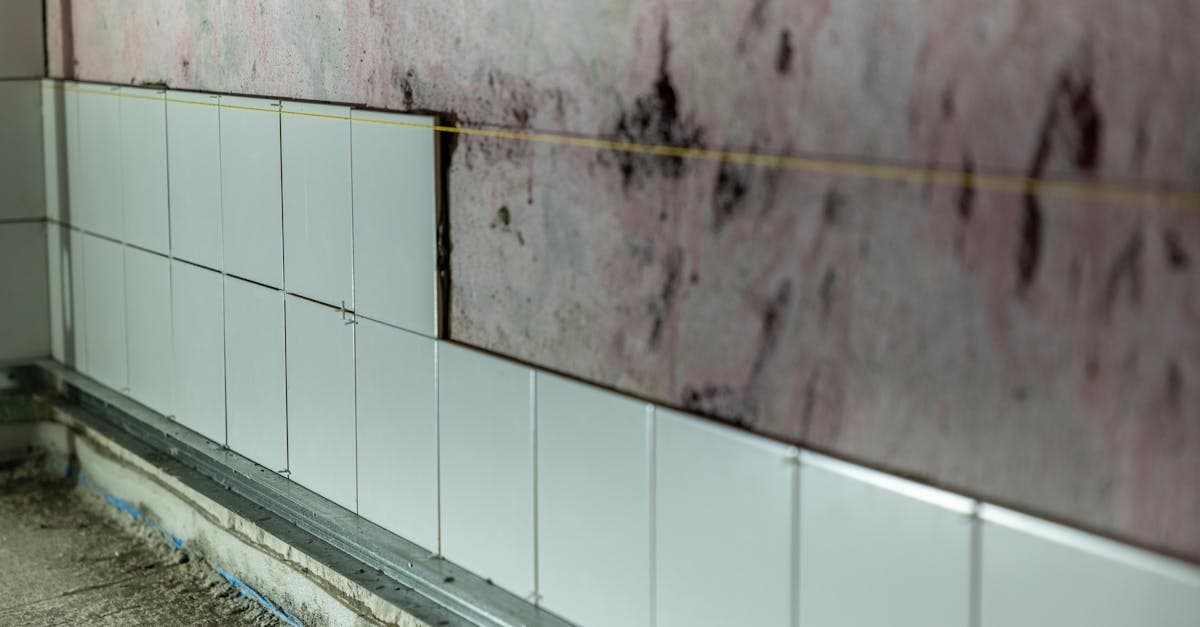
The insurance industry pays approximately $2.5 billion annually in mold-related claims, yet individual homeowners frequently discover that their policies provide far less mold protection than expected. The average mold remediation project costs between $2,500 and $15,000, while most homeowners policies cap mold coverage at $5,000 to $10,000 — if they cover it at all.
The Insurance Information Institute reports that mold claims surged dramatically in the early 2000s, prompting insurers nationwide to add mold exclusions and sublimits that remain in effect today. Before these changes, mold claims were covered under the same terms as other water damage. After the reforms, mold became one of the most restricted perils in residential insurance.
In humid states like Florida, Texas, and Louisiana, mold claims are especially common and especially likely to be denied. The warm, moist climate that makes these states vulnerable to mold also makes insurers more cautious about mold exposure. Many policies in high-humidity states carry the lowest mold sublimits or the broadest mold exclusions in the country.
These numbers reveal a significant protection gap for homeowners. Mold is one of the most common biological hazards in residential structures, yet insurance coverage for it is among the most limited. Understanding exactly where your policy's mold coverage begins and ends is essential for every homeowner — regardless of climate.
The Mold Remediation Process and Insurance Coverage
This is where consumers need to pay attention. Understanding how professional mold remediation works helps you navigate the insurance claim process and ensure the work done in your home meets both industry standards and your insurer's requirements.
Assessment and testing: Remediation begins with professional assessment to determine the mold type, extent, and moisture source. Air sampling and surface testing identify mold species and concentration. This testing costs $300 to $800 and is typically covered under your mold sublimit when the claim is approved.
Containment: Remediation professionals establish containment using plastic sheeting and negative air pressure to prevent mold spores from spreading to unaffected areas during removal. This step is critical for both health protection and preventing additional damage that could increase your claim.
Removal and cleaning: Affected materials are removed, bagged, and disposed of according to environmental regulations. Porous materials like drywall, insulation, and carpet padding that contain mold are typically removed entirely. Non-porous surfaces are cleaned, sanitized, and treated with antimicrobial solutions.
Structural drying: After mold removal, the affected area must be thoroughly dried to prevent regrowth. Industrial dehumidifiers and air movers run continuously until moisture readings reach acceptable levels. This drying phase can take several days and is a critical part of the remediation process.
Post-remediation verification: After remediation, clearance testing verifies that mold levels have returned to acceptable concentrations. This testing confirms the remediation was successful and provides documentation for your insurance claim. Most insurers require clearance testing before approving final payment.
Mold Claim Denials: Understanding and Challenging Them
Your rights matter here. Mold claims are denied more frequently than almost any other type of homeowners claim. Understanding the most common denial reasons and your options for challenging them helps you protect your interests.
Common denial reasons: The most frequent mold claim denial reason is that the mold resulted from gradual moisture — a condition excluded by the policy. Other common denial reasons include maintenance neglect, failure to mitigate promptly, mold from flooding, and mold from conditions that existed before the policy period.
Evaluating the denial: When your claim is denied, request the denial in writing with specific policy language cited. Review the cited provisions against your policy document. Determine whether the adjuster's conclusion about the moisture source is supported by the evidence. Sometimes denials are based on incorrect assumptions about the cause of moisture.
The appraisal process: Many homeowners policies include an appraisal provision that allows you to challenge the insurer's damage assessment. This process involves both parties hiring independent appraisers who attempt to agree on the damage value. An umpire resolves disagreements. This is primarily useful when the insurer accepts the claim but disputes the amount, not when coverage is denied entirely.
State insurance department complaints: If you believe your mold claim was denied unjustly, you can file a complaint with your state's department of insurance. The department reviews the claim handling and can intervene if the insurer violated regulations or acted in bad faith.
Legal options: For large mold claims that are denied or significantly underpaid, consulting an attorney who specializes in insurance disputes may be worthwhile. Some states allow policyholders to recover attorney fees and additional damages when insurers deny claims in bad faith.
Mold From Covered Water Damage: When Your Policy Pays
This is where consumers need to pay attention. When mold results from water damage caused by a covered peril, your homeowners policy typically covers the mold remediation — subject to your mold sublimit. Understanding which scenarios qualify is diagnosing every mold risk in your coverage so the right financial treatment is prescribed before remediation costs become critical.
Burst pipe mold coverage: A supply line, drain line, or fixture connection that fails suddenly and causes water damage will typically trigger mold coverage for any resulting growth. The key qualifier is sudden failure — the pipe must have been functioning and then failed, not deteriorating gradually over an extended period.
Appliance failure mold coverage: Water heaters, washing machines, dishwashers, and refrigerator ice makers that fail suddenly and cause water damage extend coverage to resulting mold. The failure must be sudden and accidental — not the result of a slow leak you ignored or failed to maintain.
Storm damage mold coverage: When wind, hail, or falling objects damage your roof or exterior walls and allow rain to enter your home, the resulting water damage and mold are covered. The storm damage creates the covered peril, and mold is a covered consequence of that peril.
Fire suppression mold coverage: When firefighters extinguish a house fire, the water they use can cause extensive moisture damage that leads to mold. Since the original peril — fire — is covered, the secondary water damage and resulting mold are also covered.
Coverage timeline: Even with a covered triggering event, you must act promptly. Insurers expect you to mitigate water damage within 24 to 48 hours. If you delay drying and cleanup, allowing mold to develop when prompt action would have prevented it, the insurer may deny the mold portion of your claim.
Mold Coverage for Florida Homeowners
Your rights matter here. Florida's warm, humid climate makes mold one of the most common household problems in the state. This elevated risk has shaped how Florida insurers approach mold coverage, creating a landscape that Florida homeowners must understand.
Florida mold coverage trends: Many Florida homeowners policies have adopted stricter mold exclusions and lower sublimits than policies in less humid states. Some Florida insurers exclude mold almost entirely from their base policies, requiring a separate endorsement for any mold coverage. This trend reflects the high frequency and cost of mold claims in the state.
Common Florida mold scenarios: Hurricane damage that allows water intrusion, tropical storm flooding, air conditioning failures during humid months, and plumbing failures in aging homes are the most common mold triggers for Florida homeowners. Understanding which of these scenarios your policy covers is essential in a state where mold risk is ever-present.
Florida insurance regulations: Florida's Office of Insurance Regulation oversees how insurers handle mold coverage and claims. State regulations require insurers to disclose mold coverage limitations clearly. Understanding your rights under Florida insurance law helps you evaluate your coverage and dispute denials when warranted.
Hurricane-related mold: When a hurricane damages your home and allows water intrusion that leads to mold, the mold is typically covered because the triggering event — hurricane wind damage — is a covered peril. However, if flooding from storm surge causes the water intrusion, the mold falls under the flood exclusion. This wind versus flood distinction is critical in Florida.
Florida mold endorsement options: Given the elevated mold risk, Florida homeowners should seriously consider mold endorsements that increase their sublimits. The additional premium is a worthwhile investment in a state where the question is not if you will encounter mold but when.
Mold Exclusions: What Your Policy Will Not Cover
Your rights matter here. Understanding mold exclusions is arguably more important than understanding what is covered, because the excluded scenarios are far more common than the covered ones. Most mold growth in homes results from conditions your policy deliberately excludes.
Gradual moisture exclusion: The most common mold exclusion applies to mold from moisture that accumulated gradually. Slow leaks under sinks, behind walls, or in crawl spaces that produce mold over weeks or months are excluded. The insurer's position is that regular maintenance and inspection should have caught the moisture before mold developed.
Humidity and condensation exclusion: Mold from high indoor humidity, condensation on windows or walls, or inadequate climate control is excluded. These conditions are considered controllable through proper ventilation, dehumidification, and HVAC maintenance — making them maintenance issues, not insurable perils.
Flood exclusion: Mold resulting from flood damage is excluded from standard homeowners insurance because flood damage itself is excluded. Even if you have a separate flood insurance policy through the NFIP, that policy has its own mold coverage limitations. The gap between homeowners and flood mold coverage catches many homeowners in flood-prone areas.
Maintenance neglect exclusion: Mold resulting from deferred maintenance — clogged gutters causing water backup, deteriorated caulking around windows, unsealed exterior penetrations, or neglected plumbing fixtures — is excluded. Insurers classify these as homeowner responsibilities.
Earth movement exclusion: Mold from foundation cracks caused by settling, earthquakes, or soil movement is excluded because the underlying earth movement is excluded from standard policies.
Documenting Mold Damage for Your Insurance Claim
This is where consumers need to pay attention. The strength of your mold claim depends heavily on the quality of your documentation. Thorough documentation establishes the cause, timeline, and extent of mold damage — the three factors your insurer evaluates most closely.
Photograph everything immediately: Take photos of all visible mold, water damage, moisture stains, and affected materials before any cleanup begins. Include wide shots showing the affected area's context and close-ups of mold growth patterns. Photograph the suspected moisture source if visible — the burst pipe, failed appliance, or storm damage that triggered the mold.
Document the moisture source: Your claim's success depends on proving the mold resulted from a covered peril. Photograph the water source, save the failed component if possible, and note the date and time you discovered both the water damage and the mold. If a plumber or contractor identifies the moisture source, get their assessment in writing.
Keep a timeline: Record when you first noticed signs of mold — musty smells, visible growth, stains, or health symptoms. Note when you discovered the moisture source, when you reported the claim, and when you took mitigation steps. This timeline helps establish that the mold developed from a sudden event, not gradual neglect.
Professional assessments: Hire a certified mold inspector to assess the extent of contamination and identify the moisture source. Their professional report carries significant weight with insurers. Make sure the inspector is certified by a recognized organization and uses standardized testing protocols.
Mitigation documentation: Document every step you take to mitigate the damage — water extraction, drying equipment deployment, temporary repairs, and protective measures. Save receipts for all mitigation expenses. Your insurer is more likely to approve your claim when documentation shows you acted promptly and responsibly.
Mold Remediation and Building Code Requirements
Your rights matter here. When mold remediation requires opening walls, removing flooring, or making significant structural repairs, the exposed construction may need to be brought up to current building codes. This additional cost can significantly increase your total remediation expense.
Code compliance triggers: Building codes change over time. When mold remediation exposes construction from an earlier era — outdated wiring, insufficient insulation, non-compliant framing, or obsolete plumbing — local building authorities may require upgrades before the area can be closed up again. These upgrades add costs beyond the mold remediation itself.
Ordinance or law coverage: Many homeowners policies include ordinance or law coverage that helps pay for building code upgrades required during covered repairs. If your mold claim is approved and the remediation triggers code compliance requirements, this coverage can offset the additional costs. Check your policy for this coverage and its limits.
Common code issues during mold remediation: Bathroom mold remediation may reveal inadequate ventilation that requires fan installation or ductwork upgrades. Wall mold removal may expose electrical wiring that does not meet current code. Basement mold projects may trigger moisture barrier or drainage requirements that did not exist when the home was built.
Permit requirements: Significant mold remediation projects may require building permits, which trigger code inspection. Understanding your local permit requirements helps you plan for potential code upgrade costs. Your remediation contractor should be familiar with local requirements and include permit costs in their estimate.
Coverage interaction: The relationship between your mold sublimit, your ordinance or law coverage, and your overall dwelling coverage can be complex. Clarify with your agent how these coverages interact before you need them, so code compliance costs do not create unexpected gaps in your remediation funding.
The Mold Remediation Process and Insurance Coverage
This is where consumers need to pay attention. Understanding how professional mold remediation works helps you navigate the insurance claim process and ensure the work done in your home meets both industry standards and your insurer's requirements.
Assessment and testing: Remediation begins with professional assessment to determine the mold type, extent, and moisture source. Air sampling and surface testing identify mold species and concentration. This testing costs $300 to $800 and is typically covered under your mold sublimit when the claim is approved.
Containment: Remediation professionals establish containment using plastic sheeting and negative air pressure to prevent mold spores from spreading to unaffected areas during removal. This step is critical for both health protection and preventing additional damage that could increase your claim.
Removal and cleaning: Affected materials are removed, bagged, and disposed of according to environmental regulations. Porous materials like drywall, insulation, and carpet padding that contain mold are typically removed entirely. Non-porous surfaces are cleaned, sanitized, and treated with antimicrobial solutions.
Structural drying: After mold removal, the affected area must be thoroughly dried to prevent regrowth. Industrial dehumidifiers and air movers run continuously until moisture readings reach acceptable levels. This drying phase can take several days and is a critical part of the remediation process.
Post-remediation verification: After remediation, clearance testing verifies that mold levels have returned to acceptable concentrations. This testing confirms the remediation was successful and provides documentation for your insurance claim. Most insurers require clearance testing before approving final payment.
What the Numbers Say About Mold Coverage
The data paints a clear picture of the mold coverage landscape. With average remediation costs of $7,500 for moderate infestations and standard sublimits of $5,000 to $10,000, most homeowners face an out-of-pocket gap even when their claim is approved. Add the fact that most mold claims are denied because they result from excluded causes, and the math strongly favors prevention over reliance on insurance.
The cost-effective approach is straightforward. Invest in moisture prevention — dehumidifiers, leak repairs, proper ventilation — that costs hundreds of dollars per year to avoid remediation that costs thousands. Carry a mold endorsement that costs $50 to $200 annually to increase your sublimit for the sudden events you cannot prevent. And budget for potential out-of-pocket mold costs that may exceed your coverage.
The numbers do not support relying on standard homeowners insurance as your primary mold protection. They support a combined strategy of prevention, supplemental coverage, and financial preparedness.
Continue reading

The Apples-to-Apples Guide to Comparing Insurance Quotes
Insurance quotes vary widely because they cover different things in different ways. Making an accurate comparison requires matching coverage limits, deductibles, and endorsements before looking at price.

Life Events That Should Trigger an Immediate Policy Review
Marriage, a new baby, a home purchase, retirement, and other major life events change your insurance needs overnight. Knowing which events require immediate review prevents dangerous coverage gaps.

How Assignment of Benefits Works in Homeowners Insurance Claims
When you sign an AOB, your contractor deals directly with your insurer and can even sue on your behalf. Learn how this process works and what it means for your homeowners claim.