Tree Falls on Your Fence: Insurance Coverage Explained

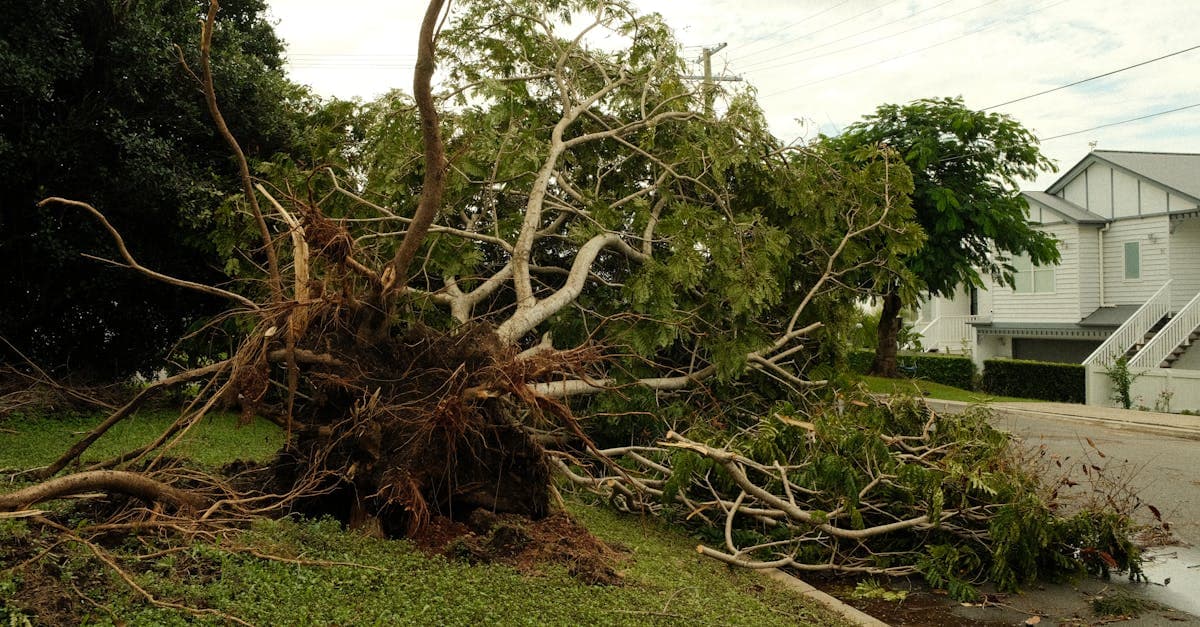
According to the Insurance Information Institute, fallen trees and branches account for billions of dollars in homeowners insurance claims annually. The average fallen tree claim involving structural damage exceeds $10,000 when combining repair costs and tree removal expenses.
Tree removal alone averages $700 to $2,000 for standard situations, but can reach $5,000 to $10,000 or more when a large tree is embedded in a structure and heavy equipment is required. Most homeowners policies cap tree removal at $500 to $1,000 per tree, creating a significant gap between actual costs and covered amounts for large tree removals.
Storms are the primary cause of tree falls, with wind events accounting for the majority of claims. However, tree falls also occur during calm weather when root systems fail due to soil saturation, trunk decay, or simple age. These non-storm falls are still covered by homeowners insurance as long as the tree was not known to be dead or hazardous and deliberately left unmaintained.
The frequency of tree damage claims increases with tree density and tree age. Properties with mature trees near structures face statistically higher risk than those with younger or more distant trees. Despite this risk, the coverage for fallen tree damage is well-established in standard homeowners policies, making it one of the more predictable claim categories when you understand how the coverage works.
Replacing Landscaping After Tree Damage
This is where consumers need to pay attention. When fallen trees destroy landscaping, homeowners are often surprised by how little their insurance covers for replacement. Understanding landscaping limits before a loss helps you set realistic expectations and consider supplemental strategies.
Per-tree replacement limits: Most homeowners policies limit tree and shrub replacement to $500 per item. This flat limit applies whether the destroyed tree was a ten-dollar sapling or a hundred-year-old specimen oak. A mature ornamental tree that would cost $5,000 to $10,000 to replace with a comparable specimen receives only $500 under standard coverage.
Aggregate landscaping limits: Beyond the per-item cap, your policy typically limits total landscaping recovery to five or ten percent of your dwelling coverage. On a $300,000 home, that means $15,000 to $30,000 total for all landscaping damage — but the per-item limit of $500 makes this aggregate cap largely academic.
What qualifies as landscaping: Trees, shrubs, plants, and lawns damaged by covered events qualify within the stated limits. Landscaping must have been damaged by a covered peril such as fire, lightning, explosion, riot, aircraft, or vehicles. Notably, many policies exclude wind and hail from landscaping coverage, meaning storm-felled trees that destroy your garden may not trigger landscaping replacement coverage.
The reality gap: A homeowner with a beautifully landscaped property containing mature trees and extensive plantings faces a massive gap between replacement cost and insurance coverage. This gap is one of the least-discussed shortcomings of standard homeowners policies.
Practical approaches: Accept that insurance provides minimal landscaping replacement. Budget for landscaping recovery separately from insurance coverage. Consider replanting with smaller, less expensive specimens and allowing them to mature naturally. Focus insurance claims on structural and personal property damage where coverage is more robust.
Temporary Housing After Tree Damage
Your rights matter here. When a fallen tree causes sufficient damage to make your home uninhabitable, your policy's additional living expenses coverage provides financial support for temporary housing and related costs while repairs are completed.
When ALE applies to tree damage: If a tree crashes through your roof creating an opening that cannot be quickly secured, or if structural damage makes the home unsafe to occupy, ALE coverage activates. The key requirement is that the home is genuinely uninhabitable due to covered damage — not merely inconvenient.
What ALE covers: The additional costs of living elsewhere beyond your normal expenses are covered. Hotel or rental housing costs, restaurant meals above your normal food budget, laundry services, additional commuting costs, and storage for personal property removed from the damaged home are all eligible expenses.
Coverage limits and duration: ALE is typically limited to twenty percent of your dwelling coverage and has a time limit of twelve to twenty-four months. For tree damage, repairs usually take weeks to a few months — well within these limits. However, if multiple homes in your area were damaged simultaneously and contractor availability is limited, repair timelines can extend.
Documentation requirements: Keep detailed receipts for all additional expenses while displaced. The insurer compares your claimed expenses against your normal living costs to determine the covered difference. Without receipts, you cannot substantiate your additional expenses.
Coordinating with repairs: Stay in communication with both your insurer and your repair contractor about the expected repair timeline. If repairs will take longer than initially estimated, notify your insurer promptly to ensure ALE coverage continues without interruption.
Tree Falls on Your Fence: Coverage and Claims
Your rights matter here. Fences are among the most commonly damaged structures when trees fall. Your homeowners policy covers fence damage under other structures coverage — also called Coverage B — which provides protection separate from your dwelling coverage.
Other structures coverage basics: Coverage B typically equals ten percent of your dwelling coverage amount. On a $300,000 dwelling, that means $30,000 for all other structures combined — fences, sheds, detached garages, and other non-dwelling structures on your property.
Fence repair vs replacement: Your insurer covers the damaged fence sections. If the fallen tree destroyed a twenty-foot section of a two-hundred-foot fence, the insurer pays to repair or replace the twenty damaged feet. Whether they pay to match the undamaged sections depends on your policy language and state regulations regarding matching.
Material and style considerations: If your fence materials have been discontinued or are no longer available, the insurer must provide equivalent replacement. This may mean a slightly different style or material that serves the same function. If matching is impossible and your state requires uniform appearance, the insurer may need to replace a larger section.
Shared fence situations: Fences on property lines may be jointly owned or maintained under local regulations. When a tree falls on a shared fence, both property owners' policies may be involved. Clarify fence ownership with your neighbor and check local ordinances before filing the claim.
Deductible considerations: Your standard deductible applies to fence damage claims. If the fence repair cost is close to your deductible amount, filing the claim may not be worthwhile since the net benefit is small and the claim goes on your record. Calculate the repair cost minus your deductible before deciding whether to file.
Multiple Trees Down: Managing Complex Claims
This is where consumers need to pay attention. Major storms can topple multiple trees simultaneously, creating complex claims that involve multiple coverage categories, multiple per-tree removal limits, and potentially multiple damaged structures. Understanding how to manage these complex situations helps you maximize your recovery.
Single event, one deductible: When one storm topples several trees, the entire event is typically treated as a single occurrence. Your deductible applies once to the overall claim, not separately to each tree or each damaged structure. This is a significant advantage when multiple trees cause damage.
Per-tree removal still applies: While your deductible applies once, the per-tree removal limit applies to each tree individually. If five trees fall and each has a $500 removal limit, your total tree removal coverage is $2,500 — regardless of actual removal costs.
Multiple damaged structures: If fallen trees damage your house, fence, shed, and detached garage in one storm, the claim involves both dwelling coverage and other structures coverage. Each coverage category has its own limits. The adjuster calculates damage separately for each coverage category but processes it as one claim event.
Prioritizing documentation: With multiple trees and multiple damage areas, systematic documentation is essential. Photograph each fallen tree, each damaged structure, and the connection between each tree and its damage. Label your photographs by tree number and damage area to keep the claim organized.
Coordinating removal and repair: When multiple trees need removal and multiple structures need repair, coordinate the sequence carefully. Tree removal from structures must happen before structural repairs begin. Prioritize removing trees that are creating ongoing damage — such as a tree on a breached roof allowing rain entry — over trees resting on outdoor structures.
Working with the adjuster: Request that the adjuster address each tree and each structure individually in the claim estimate. This transparency ensures that per-tree removal limits are applied correctly and that each structure's damage is assessed under the appropriate coverage category.
Tree Falls on Your Fence: Coverage and Claims
Your rights matter here. Fences are among the most commonly damaged structures when trees fall. Your homeowners policy covers fence damage under other structures coverage — also called Coverage B — which provides protection separate from your dwelling coverage.
Other structures coverage basics: Coverage B typically equals ten percent of your dwelling coverage amount. On a $300,000 dwelling, that means $30,000 for all other structures combined — fences, sheds, detached garages, and other non-dwelling structures on your property.
Fence repair vs replacement: Your insurer covers the damaged fence sections. If the fallen tree destroyed a twenty-foot section of a two-hundred-foot fence, the insurer pays to repair or replace the twenty damaged feet. Whether they pay to match the undamaged sections depends on your policy language and state regulations regarding matching.
Material and style considerations: If your fence materials have been discontinued or are no longer available, the insurer must provide equivalent replacement. This may mean a slightly different style or material that serves the same function. If matching is impossible and your state requires uniform appearance, the insurer may need to replace a larger section.
Shared fence situations: Fences on property lines may be jointly owned or maintained under local regulations. When a tree falls on a shared fence, both property owners' policies may be involved. Clarify fence ownership with your neighbor and check local ordinances before filing the claim.
Deductible considerations: Your standard deductible applies to fence damage claims. If the fence repair cost is close to your deductible amount, filing the claim may not be worthwhile since the net benefit is small and the claim goes on your record. Calculate the repair cost minus your deductible before deciding whether to file.
Multiple Trees Down: Managing Complex Claims
This is where consumers need to pay attention. Major storms can topple multiple trees simultaneously, creating complex claims that involve multiple coverage categories, multiple per-tree removal limits, and potentially multiple damaged structures. Understanding how to manage these complex situations helps you maximize your recovery.
Single event, one deductible: When one storm topples several trees, the entire event is typically treated as a single occurrence. Your deductible applies once to the overall claim, not separately to each tree or each damaged structure. This is a significant advantage when multiple trees cause damage.
Per-tree removal still applies: While your deductible applies once, the per-tree removal limit applies to each tree individually. If five trees fall and each has a $500 removal limit, your total tree removal coverage is $2,500 — regardless of actual removal costs.
Multiple damaged structures: If fallen trees damage your house, fence, shed, and detached garage in one storm, the claim involves both dwelling coverage and other structures coverage. Each coverage category has its own limits. The adjuster calculates damage separately for each coverage category but processes it as one claim event.
Prioritizing documentation: With multiple trees and multiple damage areas, systematic documentation is essential. Photograph each fallen tree, each damaged structure, and the connection between each tree and its damage. Label your photographs by tree number and damage area to keep the claim organized.
Coordinating removal and repair: When multiple trees need removal and multiple structures need repair, coordinate the sequence carefully. Tree removal from structures must happen before structural repairs begin. Prioritize removing trees that are creating ongoing damage — such as a tree on a breached roof allowing rain entry — over trees resting on outdoor structures.
Working with the adjuster: Request that the adjuster address each tree and each structure individually in the claim estimate. This transparency ensures that per-tree removal limits are applied correctly and that each structure's damage is assessed under the appropriate coverage category.
When a Tree Falls on Your House
This is where consumers need to pay attention. A tree falling on your home is one of the clearest covered events in homeowners insurance. Your dwelling coverage is the emergency treatment that stabilizes your finances when a fallen tree inflicts sudden trauma on your home — it pays to repair structural damage, replace damaged roofing, fix interior damage from water intrusion, and restore your home to its pre-loss condition.
What dwelling coverage includes: The full scope of repair from a fallen tree on your house is covered. This includes roof repair or replacement, structural framing repairs, damaged siding, broken windows, interior ceiling and wall repairs, damaged flooring from water intrusion, and any other dwelling components affected by the tree impact or its consequences.
Consequential damage: When a tree breach allows rain, debris, or animals into your home, the resulting damage is covered as consequential damage from a covered peril. Water stains on ceilings below the breach, mold that develops from moisture intrusion, and damaged insulation are all part of the same claim.
Your duty to mitigate: After a tree hits your house, you must take reasonable steps to prevent further damage. Cover the breach with tarps, board up broken windows, and remove standing water. These temporary repair costs are reimbursed by your insurer in addition to the permanent repair costs.
Claim process: Document the damage thoroughly before making any temporary repairs. Photograph the tree, the impact area, and all resulting damage from multiple angles. Contact your insurer to file the claim. An adjuster will inspect the property and prepare a repair estimate. You may supplement the estimate with contractor quotes if you believe the adjuster's figure is too low.
Dead Trees and Your Insurance Liability
Your rights matter here. Dead and diseased trees create a special liability risk that goes beyond standard fallen tree coverage. When you know a tree is hazardous and fail to remove it, you may be liable for damage it causes to other people's property — and your own claim may be jeopardized.
The maintenance obligation: Homeowners insurance assumes you maintain your property in reasonable condition. This includes removing trees that are obviously dead, severely diseased, or structurally compromised. Failing to remove a known hazard is considered maintenance neglect.
Impact on your own claim: If a dead tree that you knew about falls on your own home, the insurer may reduce or deny your claim based on maintenance neglect. The argument is that the damage was foreseeable and preventable. While most insurers still cover the claim, they may pursue the argument for repeat claims or egregious neglect.
Liability to neighbors: If your dead tree falls on your neighbor's property, you may be liable for their damage. Unlike healthy storm-felled trees, where no liability exists, a known dead tree establishes potential negligence. If your neighbor can show that you knew the tree was hazardous and failed to act, you may be responsible for their repair costs.
Documenting tree condition: Conduct annual visual inspections of your trees. If you notice dead branches, trunk decay, leaning, or root exposure, have a professional arborist evaluate the tree. Keep the arborist's report as evidence of due diligence. If the arborist recommends removal, follow through promptly.
The cost of prevention vs liability: Removing a dead tree typically costs $500 to $2,000 depending on size and location. The potential liability from a dead tree falling on a neighbor's home, car, or — worst case — a person far exceeds any removal cost. Preventive removal is both the safest and most financially sound approach.
What the Numbers Tell Us About Fallen Tree Coverage
The data on fallen tree claims reveals both the value of coverage and its limitations. The average claim involving structural damage from a fallen tree exceeds $10,000, making this one of the most expensive common homeowners claims. Without insurance, these costs would be devastating for most homeowners.
At the same time, the numbers reveal gaps. Per-tree removal limits of $500 to $1,000 cover only a fraction of typical removal costs for large trees. Landscaping replacement limits of $500 per tree cover a fraction of mature tree replacement costs. These gaps are predictable and manageable — but only if you know about them in advance.
The cost of prevention is dramatically lower than the cost of claims. Professional tree inspection costs $150 to $500. Hazardous tree removal costs $500 to $2,000. Compare these figures to the $10,000-plus average claim, the deductible payment, the premium increase, and the stress and disruption of dealing with a major tree damage event.
The numbers make a clear case: invest in tree maintenance, understand your coverage limits, and prepare documentation before you need it. These modest investments protect you against a common and costly homeowners event.
Continue reading

The Apples-to-Apples Guide to Comparing Insurance Quotes
Insurance quotes vary widely because they cover different things in different ways. Making an accurate comparison requires matching coverage limits, deductibles, and endorsements before looking at price.

Life Events That Should Trigger an Immediate Policy Review
Marriage, a new baby, a home purchase, retirement, and other major life events change your insurance needs overnight. Knowing which events require immediate review prevents dangerous coverage gaps.

How Assignment of Benefits Works in Homeowners Insurance Claims
When you sign an AOB, your contractor deals directly with your insurer and can even sue on your behalf. Learn how this process works and what it means for your homeowners claim.