Windshield Repair vs Replacement: What Your Insurance Covers

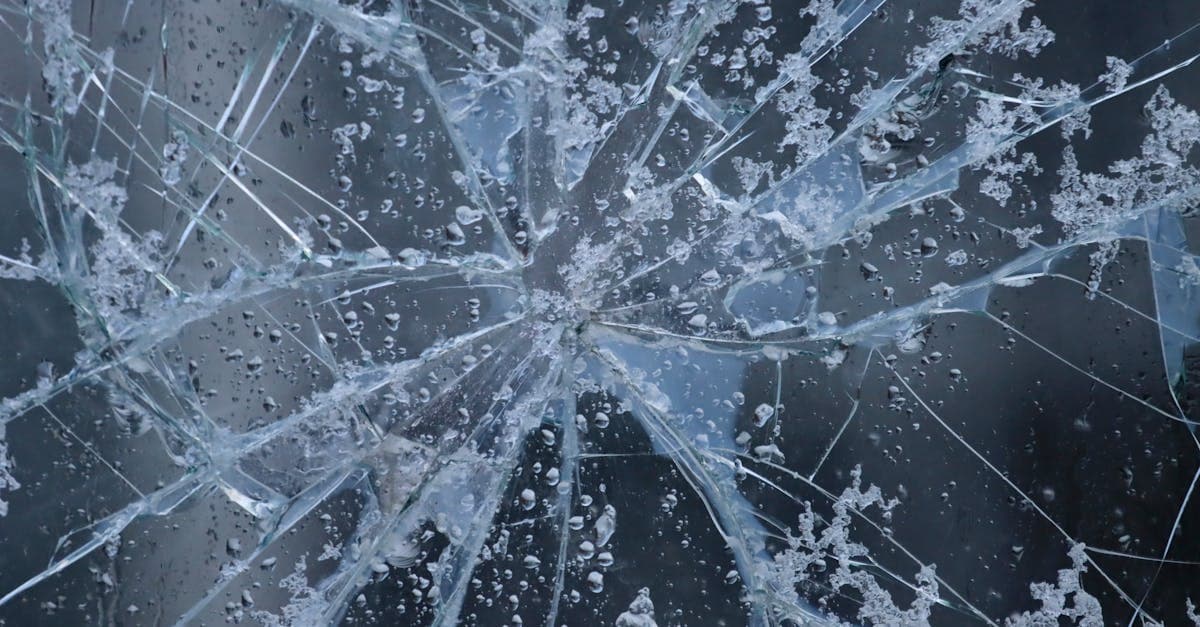
The Auto Glass Safety Council estimates that approximately 13 million windshields are replaced in the United States every year. The average windshield replacement costs between $300 and $700 for standard vehicles, but for vehicles with advanced driver assistance systems, that cost can exceed $1,500 when you factor in mandatory sensor recalibration.
Windshield repair — filling chips and small cracks with resin — is far less expensive, typically $50 to $150 per repair. The Insurance Information Institute reports that glass claims are among the most frequently filed comprehensive claims, yet they are also among the least likely to trigger a rate increase.
These numbers reveal an important opportunity for drivers. Many windshield repairs cost less than common comprehensive deductibles, which means some drivers pay out of pocket when their insurer would have covered the repair at no cost. In the 12 states with zero-deductible glass laws, drivers have even more reason to use their coverage.
The economics of windshield insurance are straightforward: carry comprehensive coverage, understand your state's glass rules, and file claims when the math favors it. This guide provides the data and framework to make those decisions confidently.
OEM vs Aftermarket Windshield Glass
This is where consumers need to pay attention. When your windshield is replaced through an insurance claim, the type of replacement glass matters more than most drivers realize. Understanding the difference between OEM and aftermarket glass helps you advocate for the quality you deserve.
OEM glass defined. Original Equipment Manufacturer glass is produced by the same company that made your vehicle's original windshield, built to the exact specifications of the vehicle manufacturer. OEM glass matches the original in thickness, curvature, tint, and optical clarity. It fits precisely in the frame and integrates correctly with any embedded technology.
Aftermarket glass defined. Aftermarket glass is produced by third-party manufacturers to fit the same vehicle. While aftermarket glass must meet federal safety standards, it may differ from OEM glass in subtle ways — slight variations in thickness, tint shade, optical quality, and edge dimensions. These differences can affect fit, appearance, and compatibility with ADAS systems.
What insurance covers. Many insurers default to aftermarket glass because it costs significantly less — often 30 to 50 percent less than OEM. Some states have laws requiring insurers to inform you when aftermarket glass will be used and giving you the right to request OEM glass, sometimes at an additional cost.
When OEM matters most. For vehicles with ADAS features, OEM glass is strongly recommended because aftermarket glass may not meet the precise optical specifications that cameras and sensors require for accurate calibration. Using aftermarket glass on ADAS-equipped vehicles can create calibration difficulties and potentially compromise safety system performance.
How to request OEM glass. If you prefer OEM glass, tell your insurer and your glass shop before the work begins. Some insurers offer OEM glass endorsements for a small additional premium. In states that require consumer choice, the insurer must comply with your OEM request, though you may need to pay the price difference.
When Windshield Claims Are Denied
Your rights matter here. While windshield claims are rarely denied, there are specific situations where an insurer may refuse coverage. Understanding the common denial triggers helps you avoid them and protect your claim eligibility.
No comprehensive coverage. The most common reason for glass claim denial is simply not having comprehensive coverage. Drivers with liability-only policies have no windshield coverage. If you are unsure whether you carry comprehensive, check your declarations page or call your agent before filing a claim.
Pre-existing damage. Insurers do not cover damage that existed before the policy took effect or before the current policy period. If you had a windshield crack when you added comprehensive coverage, the insurer can deny the claim. This is why documenting your vehicle's condition when purchasing or changing coverage is important.
Excluded causes. Some causes of windshield damage are not covered under comprehensive. Gradual pitting from road sand and debris over time is considered wear and tear, not a covered peril. Manufacturing defects are warranty issues, not insurance claims. And intentional damage by the policyholder is always excluded.
Failure to mitigate. If you had a small chip that you ignored for months and it spread into a full replacement need, some insurers may argue you failed to mitigate the damage. While this denial reason is uncommon and often contestable, it reinforces the importance of addressing damage promptly.
Fraud indicators. If the insurer suspects the claim is fraudulent — perhaps the damage does not match the reported cause, or the claim is filed suspiciously soon after adding comprehensive coverage — they may deny the claim pending investigation. Honest, well-documented claims are the best defense against fraud suspicions.
Choosing a Glass Repair Shop for Insurance Claims
This is where consumers need to pay attention. Your choice of glass repair facility affects the quality of your replacement, the warranty you receive, and even the long-term safety of your vehicle. Understanding your options helps you make the best choice.
Your right to choose. In most states, you have the legal right to select your own glass repair facility. Your insurer can recommend preferred shops and may offer incentives to use them, but they generally cannot require you to use a specific shop. Exercise this right if you have a preferred or trusted glass service provider.
Insurer-preferred shops. Insurance companies negotiate volume pricing with preferred glass shops, which helps keep claim costs down. These shops often provide direct billing to the insurer, which simplifies the payment process for you. The work quality at preferred shops is generally reliable because the insurer monitors performance to protect their reputation.
Independent glass shops. Independent shops may offer more personalized service, specific glass brand preferences, or ADAS calibration expertise that preferred shops lack. If you choose an independent shop, confirm that your insurer will accept their pricing and that the shop can bill the insurer directly.
ADAS calibration capability. For vehicles with advanced driver assistance systems, the most critical factor in choosing a glass shop is calibration capability. Not all shops have the equipment, training, and space to perform ADAS calibration. Ask specifically whether the shop can calibrate your vehicle's make, model, and year before authorizing the work.
Warranty and guarantees. Quality glass shops offer both a manufacturer warranty on the glass and a shop warranty on the installation. Typical installation warranties cover leaks, wind noise, and defects for the life of the vehicle. Confirm the warranty terms before authorizing the work and keep the warranty documentation with your vehicle records.
Will a Windshield Claim Raise Your Insurance Rates
Your rights matter here. The rate impact of windshield claims is one of the most misunderstood aspects of auto insurance. The good news is that glass claims are among the least likely to increase your premium — but the details matter.
Why glass claims are treated differently. Windshield damage from road debris is a random, uncontrollable event that says nothing about your driving behavior or risk level. Insurers recognize this distinction and weigh glass claims far less heavily than collision or liability claims in their rating models.
Single claim impact. A single windshield claim typically has zero measurable impact on your premium with most insurers. In states with zero-deductible glass laws, insurers are often prohibited from increasing rates based on glass claims. Even in other states, most insurers do not surcharge for a single glass claim.
Multiple claims pattern. While one glass claim is usually rate-neutral, multiple glass claims in a short period can trigger concern. Two or three windshield claims in a single policy year might cause a modest premium increase — not because each claim is significant, but because the frequency pattern suggests higher-than-average exposure to glass damage.
Claim history window. Like other comprehensive claims, glass claims typically remain on your claims history for three to five years. A windshield claim filed three years ago has minimal impact on your current rating. The impact diminishes each year the claim ages.
Strategic filing decisions. For chips that cost $50 to $100 to repair, filing a claim is almost always worthwhile because many insurers waive the deductible for repairs. For cracks requiring replacement, compare the replacement cost to your deductible. If the deductible is $500 and the replacement costs $450, paying cash avoids creating a claim record for zero insurance benefit.
ADAS Calibration After Windshield Replacement
Your rights matter here. Advanced driver assistance systems have transformed windshield replacement from a simple glass swap into a complex technological procedure. If your vehicle has ADAS features, calibration after windshield replacement is not optional — it is essential for your safety and should be included in your insurance claim.
What ADAS calibration involves. Forward-facing cameras mounted near the rearview mirror, lane departure sensors, adaptive cruise control radar, and automatic emergency braking systems all rely on precise positioning relative to the windshield. When the windshield is replaced, these sensors must be recalibrated to ensure they function correctly with the new glass.
Calibration methods. Static calibration uses a target board positioned in front of the vehicle in a controlled environment. Dynamic calibration requires driving the vehicle at specific speeds on roads with clear lane markings. Some vehicles require both static and dynamic calibration. The method depends on the vehicle manufacturer's requirements.
Calibration costs. ADAS recalibration typically costs $200 to $500 depending on the vehicle and the systems involved. This cost is in addition to the glass replacement itself. Combined, a windshield replacement with ADAS calibration can reach $1,000 to $1,500 on modern vehicles — significantly more than the $300 to $400 that basic windshield replacement costs.
Insurance coverage for calibration. Your comprehensive claim should include the full ADAS calibration cost because the calibration is a necessary part of restoring your vehicle to pre-loss condition. If your insurer or glass shop attempts to exclude calibration from the claim, push back — the calibration is as essential as the glass itself.
Choosing the right shop. Not all glass shops have the equipment and training to perform ADAS calibration. When filing a windshield claim on a vehicle with ADAS features, confirm that the repair facility can handle the complete job — glass replacement plus calibration. Using a shop that cannot calibrate your sensors means a second trip to a dealer or calibration specialist.
Preventing Windshield Damage
This is where consumers need to pay attention. While no driver can completely prevent windshield damage, strategic habits significantly reduce your risk. Prevention is always cheaper and less disruptive than even the smoothest insurance claim.
Following distance. The single most effective prevention strategy is maintaining adequate following distance, especially behind trucks, construction vehicles, and any vehicle that may kick up debris. At highway speeds, increasing your following distance by two to three seconds gives debris time to fall to the road surface before reaching your vehicle.
Avoid gravel roads when possible. Loose gravel surfaces are the highest-risk environment for windshield damage. If you must drive on gravel, reduce your speed significantly — slower speeds reduce both the frequency and force of impacts. When meeting oncoming traffic on gravel roads, slow down even further.
Park strategically. Parking under trees increases your exposure to falling branches, acorns, and bird-related debris. Parking near construction sites exposes your vehicle to construction debris. Choosing parking locations with overhead cover or away from these hazards reduces risk.
Repair chips immediately. A chip that costs $50 to repair today can become a crack requiring $500 or more in replacement tomorrow. Temperature changes — especially the thermal shock of hot sun followed by cold air conditioning — cause chips to propagate rapidly. Addressing chips within days of occurrence is the most cost-effective glass maintenance strategy.
Avoid extreme temperature shocks. Do not pour hot water on a frozen windshield or blast cold air conditioning on a sun-heated windshield. These temperature shocks stress the glass and can turn minor imperfections into spreading cracks. Use your vehicle's defrost system gradually and allow the glass to adjust to temperature changes over time.
Hail Damage to Windshields
Your rights matter here. Hailstorms are one of the most common causes of windshield damage, and they can affect thousands of vehicles in a single event. Understanding how hail glass claims work helps you navigate the process during what is often a chaotic claims period.
How hail damages windshields. Hail can crack, chip, or shatter windshield glass depending on the size and velocity of the hailstones. Small hail may create multiple chip impacts across the windshield surface. Large hail can crack the outer layer of laminated glass or, in extreme cases, penetrate both layers. The pattern of damage is typically multiple impact points distributed across the windshield surface.
Claim filing after hailstorms. Hailstorms generate massive claim volumes simultaneously, which can create backlogs for both insurers and glass shops. File your claim as soon as possible after the storm to get in the queue early. Document the hail damage to your windshield and any other vehicle damage with photographs before driving the vehicle.
Windshield damage as part of a larger claim. If hail damaged your windshield along with body panels, hood, and roof, the windshield replacement is part of a single comprehensive claim with one deductible. You do not pay a separate deductible for the glass. This means in a multi-panel hail claim, the windshield replacement is effectively free since the deductible is consumed by the body damage portion.
Repair vs replacement after hail. Multiple hail impacts across the windshield typically require replacement rather than repair. While a single chip from hail might be repairable, a pattern of chips covering the windshield surface compromises the glass beyond what repair can address.
Temporary protection. If your windshield is cracked but not shattered after hail, cover the crack with clear tape to prevent moisture infiltration while you wait for your claim to be processed. Do not drive with a severely compromised windshield — have the vehicle towed if the damage affects structural integrity or visibility.
Windshield Repair vs Replacement: What Insurance Covers
This is where consumers need to pay attention. The distinction between windshield repair and replacement is treating windshield damage early before it becomes a safety-critical condition — it affects your deductible, your cost, and even the long-term integrity of your windshield.
When repair is possible. Windshield repair uses injectable resin to fill chips and short cracks, restoring structural integrity and preventing further spreading. Repair is generally possible when the chip is smaller than a quarter, the crack is shorter than six inches, the damage is not in the driver's direct line of sight, and the damage does not extend to the edge of the windshield.
When replacement is necessary. Cracks longer than six inches, damage in the driver's critical viewing area, multiple cracks from a single impact point, and damage that penetrates both layers of laminated glass all require full replacement. Edge cracks that compromise the windshield's seal also require replacement regardless of length.
Insurance preference for repair. Insurers strongly prefer repair over replacement because repair costs $50 to $150 compared to $300 to $1,500 for replacement. To incentivize repair, many insurers waive the deductible entirely for repairs even when the deductible applies to replacement. This creates a clear financial advantage for addressing damage early while repair is still an option.
Repair quality and durability. Modern resin injection repair restores approximately 95 percent of the windshield's original structural strength. The repair is permanent and prevents the damage from spreading. However, the repaired area will still be slightly visible — the cosmetic result is not perfect. For most drivers, this minor visual imperfection is far preferable to the cost and hassle of full replacement.
Acting quickly matters. Temperature changes, vibration from driving, and moisture infiltration can all cause a repairable chip to spread into an unrepairable crack. Filing your claim and getting the repair done within days of the damage gives you the best chance of avoiding a full replacement.
What the Numbers Tell Us About Windshield Coverage
The data on windshield claims supports a clear conclusion: comprehensive coverage with glass protection is one of the highest-value components of auto insurance for most drivers.
With 13 million windshields replaced annually in the United States and average replacement costs climbing above $500 for vehicles with modern technology, the financial exposure from even a single windshield event is significant. Compare that to the $20 to $50 annual cost of a glass endorsement, and the math is overwhelmingly favorable.
The rate impact data is equally encouraging. Single glass claims produce zero or negligible premium increases with most insurers. This makes windshield claims one of the safest types of claims to file from a rate perspective.
The bottom line: carry comprehensive coverage, add a glass endorsement if your state does not mandate zero-deductible glass, repair chips immediately, and file claims confidently knowing that glass claims are the most consumer-friendly category in auto insurance.
Continue reading

The Apples-to-Apples Guide to Comparing Insurance Quotes
Insurance quotes vary widely because they cover different things in different ways. Making an accurate comparison requires matching coverage limits, deductibles, and endorsements before looking at price.
Life Events That Should Trigger an Immediate Policy Review
Marriage, a new baby, a home purchase, retirement, and other major life events change your insurance needs overnight. Knowing which events require immediate review prevents dangerous coverage gaps.

How Assignment of Benefits Works in Homeowners Insurance Claims
When you sign an AOB, your contractor deals directly with your insurer and can even sue on your behalf. Learn how this process works and what it means for your homeowners claim.