Hurricane Deductibles in Florida: The Question Every Homeowner Must Ask

The data on Florida homeowners insurance tells a story of high costs, complex coverage, and frequent claim disputes. Understanding these numbers before purchasing a policy helps you ask the right questions and make informed decisions.
Florida homeowners pay an average annual premium that is among the highest in the nation — roughly two to three times the national average. These elevated costs reflect the state's hurricane exposure, litigation history, and insurer instability. For that premium, Florida homeowners deserve coverage that actually protects them, and getting that protection requires asking detailed questions.
Hurricane deductibles in Florida typically range from 2 to 5 percent of dwelling coverage. On a $400,000 home, a 2 percent hurricane deductible means $8,000 out of pocket. A 5 percent deductible means $20,000. These are not trivial amounts, and many homeowners do not realize their hurricane deductible is a percentage until they file a claim.
Florida has experienced more insurer insolvencies than any other state in recent years. When an insurer fails, policyholders face disruption, potential coverage gaps, and the need to find new coverage in a tight market. Checking your insurer's financial stability rating is not optional — it is essential.
The state processes more homeowners insurance complaints per capita than most other states. Claim disputes over wind versus water damage, coverage denials for roof age, and disagreements over replacement cost calculations are common. The questions you ask before buying your policy are your best defense against becoming part of these statistics.
Loss of Use Coverage: Florida-Specific Questions
This is where consumers need to pay attention. When a hurricane or other covered event makes your Florida home uninhabitable, loss of use coverage — also called additional living expenses coverage — pays for temporary housing, meals, and other costs while your home is repaired. The details matter.
Coverage A percentage basis: Loss of use coverage is typically set at 20 percent of your dwelling coverage amount. On a $400,000 home, that provides up to $80,000 for temporary living expenses. Verify this percentage and calculate the dollar amount for your specific policy.
What it covers: Loss of use pays for hotel or rental housing, restaurant meals beyond your normal food costs, additional commuting expenses, storage fees, laundry services, and other reasonable costs incurred because you cannot live at home.
Duration limitations: Some Florida policies cap loss of use coverage at a specific time period, such as 12 or 24 months, rather than just a dollar amount. After a major hurricane, repairs can take longer than expected, and a time limit can exhaust your coverage before your home is ready.
Post-hurricane housing costs: After a major Florida hurricane, temporary housing costs spike dramatically as demand exceeds supply. Hotels raise rates, rental properties become scarce, and displacement can last months. Your loss of use coverage must account for these inflated costs.
Evacuation expenses: Some Florida policies include coverage for evacuation expenses ordered by civil authority even before damage occurs to your home. This can help cover hotel and travel costs during mandatory evacuation orders.
The essential question to ask: Ask your agent for the exact dollar limit and time limit on your loss of use coverage, what expenses qualify, whether evacuation costs are covered, and whether the coverage amount is realistic given post-hurricane housing costs in your area.
Personal Property Coverage Questions for Florida Homeowners
Your rights matter here. Your personal property coverage protects the contents of your Florida home — furniture, electronics, clothing, appliances, and everything else you own. Getting this coverage right requires asking specific questions about limits, valuations, and sub-limits.
Coverage A percentage: Personal property coverage is typically set at 50 to 70 percent of your dwelling coverage. On a $400,000 home, that provides $200,000 to $280,000 in contents coverage. Many homeowners have more personal property than they realize.
Replacement cost vs actual cash value for contents: Replacement cost coverage pays to replace damaged items with new equivalents. Actual cash value deducts depreciation. A five-year-old television covered at replacement cost gets replaced with a new equivalent. At actual cash value, you receive the depreciated value of the old TV.
Sub-limits on specific categories: Florida homeowners policies impose sub-limits on specific item categories including jewelry (typically $1,500), cash ($200), firearms ($2,500), silverware ($2,500), and business equipment ($2,500). If you own valuable items in these categories, the sub-limits may leave you seriously underinsured.
Scheduled personal property: Items that exceed sub-limits can be individually scheduled on your policy for their full appraised value. Scheduling provides broader coverage — often including accidental loss — and eliminates the deductible for those items.
Off-premises coverage: Personal property coverage typically extends to belongings away from home, but at reduced limits — often 10 percent of your personal property coverage. This matters for Florida homeowners who travel with valuable items.
The essential question to ask: Ask your agent whether your personal property is covered at replacement cost or actual cash value, what sub-limits apply to specific item categories, whether scheduling is available for high-value items, and how coverage works for belongings away from home.
How to Compare Florida Homeowners Insurance Quotes Effectively
This is where consumers need to pay attention. Comparing Florida homeowners insurance quotes requires looking beyond premium price to coverage details that determine what you actually receive when you file a claim.
Standardize coverage for comparison: When requesting multiple quotes, ensure each quote has the same dwelling coverage amount, same personal property coverage, same liability limits, and same deductible structure. Different coverage levels make premium comparisons meaningless.
Compare hurricane deductible options: Each insurer may offer different hurricane deductible percentages. Compare the annual premium at each deductible level and calculate your actual dollar out-of-pocket at each percentage.
Evaluate included endorsements: Some Florida policies include endorsements like sewer backup, equipment breakdown, or identity theft in the base policy. Others charge extra. Factor the cost of needed endorsements into your total premium comparison.
Check replacement cost terms: Verify whether each quote provides replacement cost or actual cash value for both the dwelling and personal property. Also check whether the policy offers extended replacement cost and at what percentage.
Review exclusions and limitations: The cheapest quote may have the most restrictive exclusions. Compare policy forms carefully for differences in water damage coverage, mold limits, and other coverage areas where Florida policies vary.
Verify insurer financial strength: A lower premium from a financially weak insurer is not a bargain if the company cannot pay claims after a hurricane. Factor financial stability into your comparison alongside price.
The essential question to ask: Ask each agent for an apples-to-apples quote with identical coverage levels, and then compare not just the premium but the deductible structure, included endorsements, replacement cost terms, exclusions, and insurer financial ratings.
Equipment Breakdown Coverage for Florida Homes
Your rights matter here. Florida's climate puts extraordinary strain on home mechanical systems. Air conditioning runs nearly year-round, electrical systems face frequent lightning strikes, and pool equipment operates continuously. Equipment breakdown coverage addresses failures that standard homeowners policies do not.
What standard policies exclude: Your homeowners policy covers damage from external events like fire, wind, and theft. It does not cover mechanical or electrical breakdown from internal failure — a compressor that burns out, an electrical panel that shorts, or a water heater that fails mechanically.
What equipment breakdown covers: This endorsement covers the cost of repairing or replacing home systems and appliances that fail due to mechanical breakdown, electrical failure, or power surge damage. Covered items typically include HVAC systems, water heaters, electrical panels, kitchen appliances, and pool equipment.
Lightning and power surge relevance: Florida leads the nation in lightning strikes per capita. Lightning-induced power surges damage electronics, appliances, and HVAC components regularly. Equipment breakdown coverage with power surge protection addresses this frequent Florida risk.
Cost and availability: Equipment breakdown endorsements typically cost $25 to $75 per year in Florida — a modest investment given the cost of replacing an HVAC system ($5,000 to $15,000) or a major appliance ($500 to $3,000).
Pool equipment coverage: Florida pool owners benefit significantly from equipment breakdown coverage because pool pumps, heaters, filters, and automation systems are expensive to replace and subject to mechanical failure.
The essential question to ask: Ask your agent whether equipment breakdown coverage is available on your policy, what specific items it covers, whether it includes power surge protection, and how the coverage limit compares to the replacement cost of your major home systems.
Evaluating Your Florida Insurer's Financial Stability
Your rights matter here. In a state where multiple insurers have gone insolvent in recent years, asking about your insurer's financial strength is not optional — it is essential for ensuring your claims will actually be paid when disaster strikes.
Why it matters in Florida: Florida's insurance market is uniquely volatile. The combination of hurricane exposure, litigation costs, and regulatory pressures has driven several insurers into insolvency or receivership. When your insurer fails, your claims may be delayed, reduced, or transferred to a different entity.
AM Best ratings: AM Best is the primary rating agency for insurance companies. Look for carriers rated A- (Excellent) or better. Ratings below B+ indicate potential financial concerns. Ask your agent for your insurer's current AM Best rating.
Demotech ratings: Many smaller Florida insurers that do not carry AM Best ratings are rated by Demotech. A Demotech rating of A (Exceptional) or A' is generally acceptable for mortgage lenders. Ask which rating agency evaluates your insurer and what the current rating is.
Florida Insurance Guaranty Association: If your insurer becomes insolvent, the Florida Insurance Guaranty Association covers claims up to $300,000 per claim. However, FIGA coverage can involve delays, limitations, and the need to find replacement coverage quickly in a potentially tight market.
Reinsurance and capitalization: Well-managed Florida insurers maintain strong reinsurance programs that transfer a portion of their catastrophe risk to larger, global reinsurers. Ask whether your insurer has adequate reinsurance for a major hurricane season.
The essential question to ask: Ask your agent for the insurer's AM Best or Demotech rating, how long the company has been writing Florida homeowners policies, and how the company performed financially during recent active hurricane seasons.
Ensuring Adequate Replacement Cost Coverage in Florida
This is where consumers need to pay attention. Replacement cost coverage is the cornerstone of your Florida homeowners policy, and getting the amount right is critical. Underinsurance is one of the most common and costly problems Florida homeowners face after a major loss.
Replacement cost vs market value: Your dwelling coverage should reflect the cost to rebuild your home at today's construction prices, not its real estate market value or purchase price. In Florida, rebuild costs often differ significantly from market value due to land values, location premiums, and construction costs.
Post-hurricane demand surge: After a major Florida hurricane, construction labor and material costs spike dramatically as demand for repairs overwhelms local capacity. Demand surge can increase rebuilding costs by 20 to 40 percent. Your replacement cost estimate should account for this potential.
Extended replacement cost options: Some Florida insurers offer extended replacement cost coverage that pays 25 percent or more above your dwelling coverage limit if actual rebuilding costs exceed your policy amount. This buffer protects against underinsurance.
Guaranteed replacement cost: A few Florida insurers offer guaranteed replacement cost coverage that pays whatever it costs to rebuild your home regardless of the policy limit. This is the strongest protection against underinsurance but is less commonly available in Florida.
Regular coverage reviews: Florida construction costs have risen significantly in recent years. Review your dwelling coverage amount annually and adjust upward as rebuilding costs increase. An amount that was adequate three years ago may leave you underinsured today.
The essential question to ask: Ask your agent how your dwelling coverage amount was calculated, whether it accounts for post-hurricane demand surge, whether extended or guaranteed replacement cost is available, and when the coverage amount was last reviewed against current construction costs.
Florida Condo Insurance: HO-6 Questions Every Owner Must Ask
Your rights matter here. Florida condo owners face unique insurance challenges because coverage responsibility is split between the condo association's master policy and the individual unit owner's HO-6 policy. Understanding where one ends and the other begins prevents dangerous gaps.
Master policy types: Florida condo associations carry either bare walls coverage — covering the building structure only — or all-in coverage that includes fixtures, improvements, and installations within units. The type of master policy determines what your HO-6 must cover.
Bare walls implications: If your association carries bare walls coverage, your HO-6 policy must cover everything from the drywall in — flooring, cabinets, countertops, plumbing fixtures, appliances, and all improvements. This significantly increases the coverage you need on your individual policy.
Loss assessment coverage: If the condo association's master policy has a large deductible or insufficient limits, the association may assess individual owners for the shortfall. Loss assessment coverage on your HO-6 policy helps pay your share of these assessments.
Personal property coverage: Your HO-6 policy covers your personal belongings within the unit. Evaluate your contents value carefully and choose appropriate limits and replacement cost valuation.
Florida-specific condo risks: Florida condos face hurricane damage to common areas, flooding in ground-floor units, and water damage from units above. Understanding how claims involving multiple units and the master policy are coordinated prevents coverage disputes.
The essential question to ask: Ask your agent what type of master policy your association carries, what your HO-6 policy needs to cover based on the master policy type, what loss assessment coverage limit is appropriate, and how claims involving both the master policy and your HO-6 are coordinated.
Insurance Claim Disputes in Florida: Know Your Options
This is where consumers need to pay attention. Even with the right policy, claim disputes can arise in Florida. Understanding your dispute resolution options before you need them prepares you to advocate effectively for a fair settlement.
Internal appeal process: Your first step when disputing a claim decision is your insurer's internal appeal process. Submit additional documentation, contractor estimates, and photographs that support your claim. Many disputes are resolved at this stage.
Florida Department of Financial Services mediation: The DFS offers a free mediation program for Florida homeowners insurance disputes. A neutral mediator helps you and your insurer negotiate a resolution. Mediation is voluntary but frequently results in settlements.
Appraisal process: Most Florida homeowners policies contain an appraisal clause that allows either party to demand an appraisal when there is a disagreement about the amount of a covered loss. Each side selects an appraiser, and the two appraisers select an umpire to resolve disputes.
Public adjusters: Florida public adjusters work on behalf of homeowners to assess damage and negotiate with insurers. They charge a percentage of the claim settlement — typically 10 to 20 percent. Consider the cost-benefit before hiring one.
Attorney consultation: For complex or high-value claim disputes, consulting a Florida insurance attorney provides legal guidance on your rights and options. Florida law provides specific protections for policyholders in claim disputes.
Time limits for action: Florida law sets deadlines for reporting claims, filing proofs of loss, and initiating legal action against insurers. Missing these deadlines can forfeit your claim rights.
The essential question to ask: Ask your agent to explain the claim dispute process for your specific insurer, what your policy's appraisal clause provides, and what external dispute resolution options are available through the Florida Department of Financial Services.
The Numbers Behind Smart Florida Insurance Buying
The financial case for asking thorough questions before buying Florida homeowners insurance is compelling. Consider these numbers.
A 2 percent hurricane deductible on a $400,000 home costs you $8,000 out of pocket per claim. Choosing a 5 percent deductible saves premium but increases your exposure to $20,000. The premium difference between these options is typically $500 to $1,500 per year — knowing this calculation before choosing can save you thousands.
Wind mitigation discounts save Florida homeowners 20 to 50 percent on premiums. On a $3,000 annual premium, that is $600 to $1,500 in savings every year. The wind mitigation inspection costs $75 to $150 — one of the best investments a Florida homeowner can make.
Average flood damage costs $30,000 to $50,000 or more. A flood insurance policy for lower-risk Florida properties can cost as little as $400 to $700 per year. The math overwhelmingly favors purchasing flood coverage.
Insurer insolvency has affected tens of thousands of Florida policyholders in recent years. Checking financial strength ratings costs nothing and takes minutes. The protection it provides against claim payment failures is invaluable.
Every data point reinforces the same conclusion: the time you spend asking questions and comparing options before buying is the most valuable investment in your Florida homeowners insurance.
Continue reading

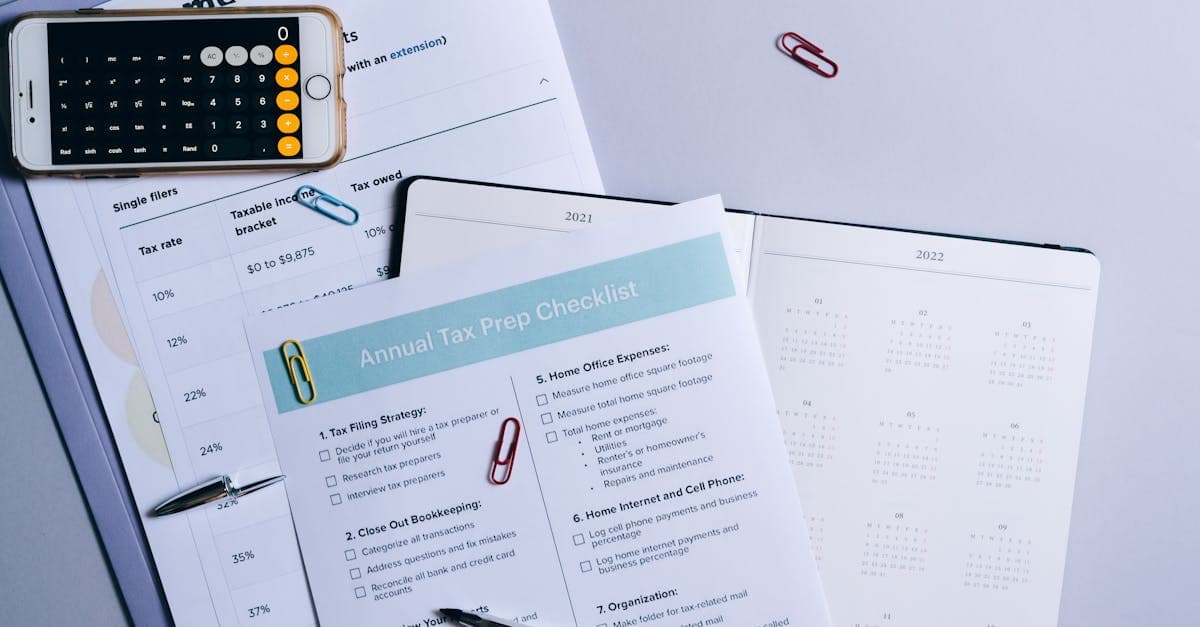
The Apples-to-Apples Guide to Comparing Insurance Quotes
Insurance quotes vary widely because they cover different things in different ways. Making an accurate comparison requires matching coverage limits, deductibles, and endorsements before looking at price.
Life Events That Should Trigger an Immediate Policy Review
Marriage, a new baby, a home purchase, retirement, and other major life events change your insurance needs overnight. Knowing which events require immediate review prevents dangerous coverage gaps.
How Assignment of Benefits Works in Homeowners Insurance Claims
When you sign an AOB, your contractor deals directly with your insurer and can even sue on your behalf. Learn how this process works and what it means for your homeowners claim.