Sudden vs Gradual Water Damage: Why It Matters for Insurance

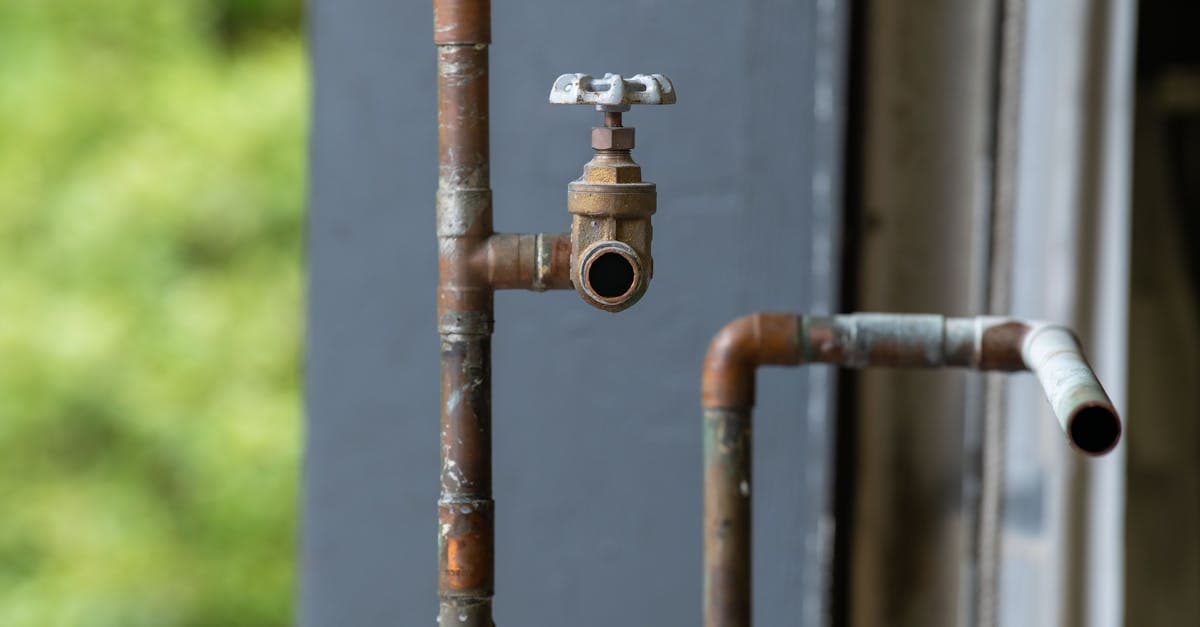
The Insurance Information Institute reports that water damage and freezing claims are the second most common type of homeowners insurance claim, behind only wind and hail. The average water damage claim exceeds $11,000, and plumbing failures account for a significant portion of these claims.
Supply line failures alone cause over $10 billion in property damage across the United States annually. The average supply line claim costs approximately $5,500, but severe incidents involving multi-story water flow can exceed $50,000. Water heater failures contribute another $4.5 billion in annual damages.
Frozen pipes are responsible for roughly a quarter of all plumbing-related insurance claims, with the average frozen pipe claim exceeding $20,000 due to the extensive damage that occurs when ice blocks pipes and water pressure causes ruptures at the weakest points.
These statistics reveal two important truths about plumbing damage insurance. First, the financial risk is significant enough that most homeowners cannot afford to self-insure against it. Second, the frequency of these claims means insurers have developed detailed coverage criteria that distinguish between covered sudden failures and excluded gradual deterioration. Understanding where your specific plumbing situation falls on this spectrum is essential to getting fair treatment from your insurer.
Supply Line Failures: A Leading Cause of Water Damage Claims
This is where consumers need to pay attention. Supply line connections to toilets, sinks, dishwashers, and washing machines are among the most frequent sources of plumbing damage claims in residential insurance. Understanding these failures is diagnosing coverage needs before plumbing symptoms become financial emergencies.
Why supply lines fail: Supply lines are flexible connectors that carry pressurized water from the plumbing system to individual fixtures and appliances. They are under constant pressure 24 hours a day, and they deteriorate over time. Rubber and polymer hoses are particularly prone to age-related failure, while braided stainless steel lines offer longer service life.
The sudden failure pattern: Most supply line failures occur without warning. The hose splits, the connector separates, or the fitting cracks, and pressurized water flows freely until someone discovers the problem and shuts off the supply. These sudden failures produce covered claims because they are accidental and unexpected.
Damage scope from supply lines: A failed supply line operating under household water pressure can release approximately 5 gallons per minute. If the failure occurs while no one is home — during work hours or during vacation — hundreds or thousands of gallons can flood the home before discovery. These extended-duration failures produce the most expensive claims.
Prevention through replacement: Industry experts recommend replacing rubber and polymer supply lines every five years and inspecting braided stainless steel lines annually. Replacing supply lines is inexpensive insurance against a common and costly failure. This preventive step both reduces your risk and demonstrates maintenance diligence that supports future claims.
Washing machine and dishwasher lines: The supply lines to these appliances are particularly high-risk because they carry hot water under pressure and are often installed in locations where failures cause maximum damage — laundry rooms on upper floors or kitchens with finished spaces below.
Appliance-Related Water Damage: Dishwashers, Washers, and More
Your rights matter here. Water-using appliances are among the most common sources of plumbing damage claims. Each appliance presents unique failure risks, and the coverage determination depends on the nature and timing of the failure.
Washing machine failures: Washing machines can leak from supply line connections, internal hoses, pump failures, or door seal deterioration. Sudden hose ruptures and pump failures are typically covered. Gradual door seal leaks that have been dampening the floor for weeks may not be covered. The high water volume used per cycle makes washing machine failures particularly damaging.
Dishwasher leaks: Dishwasher failures include supply line ruptures, drain hose disconnections, door seal failures, and tub cracks. Sudden failures producing water flow during a cycle are generally covered. Door gasket leaks that have been slowly dripping are more likely to be classified as gradual and excluded.
Refrigerator water line failures: The thin plastic or copper water line running to your refrigerator's ice maker and water dispenser is a leading source of water damage claims. These lines operate under constant pressure and can fail at connections, develop cracks, or be damaged by movement. Sudden failures are covered, but lines that have been slowly weeping behind the refrigerator may face gradual damage exclusions.
Water softener and filtration systems: These systems add connection points and components to your plumbing that can develop leaks. Treatment for sudden failures mirrors other plumbing claims, but the specialized nature of these systems may require documentation about proper installation and maintenance.
Prevention for all appliances: Replace flexible supply lines on appliances every five years. Install water sensors near appliances that can alert you to leaks. Use automatic shutoff valves on washing machine supply lines. These steps reduce your claim risk and demonstrate the maintenance diligence that supports future claims.
Sewer Backup Coverage: The Critical Gap in Standard Policies
This is where consumers need to pay attention. Standard homeowners insurance policies exclude sewer and drain backup damage. This exclusion is one of the most significant coverage gaps in residential insurance because sewer backups are common, destructive, and expensive to remediate.
Why sewer backup is excluded: Insurers exclude sewer backup from standard policies because the risk varies dramatically by property. Homes on older municipal sewer systems, in areas with combined storm and sanitary sewers, or in low-lying areas face much higher backup risks. Rather than pricing this risk into every policy, insurers offer it as an optional endorsement.
The sewer backup endorsement: Most insurers offer a sewer and drain backup endorsement for an additional annual premium, typically between $40 and $100. This endorsement covers damage to your home and belongings caused by water that backs up through sewers, drains, or sump pump failures. Coverage limits usually range from $5,000 to $25,000.
What the endorsement covers: Sewer backup coverage pays for cleanup and decontamination, damaged flooring and drywall, destroyed personal property, and the associated restoration costs. Given that the average sewer backup claim exceeds $10,000, this affordable endorsement provides essential protection.
Sewer backup vs flooding: Insurance distinguishes between sewer backup — water entering through drains from below — and flooding, which is surface water entering from outside. Flood damage requires separate flood insurance. If heavy rain causes both sewer backup and surface flooding simultaneously, the claims may involve both your sewer backup endorsement and your flood policy.
Sump pump failure: If your sump pump fails and water backs up into your basement, this is typically treated as a sewer or water backup event covered by the endorsement, not by your standard policy. Adding a battery backup sump pump provides both physical protection and supports your claim by demonstrating reasonable maintenance.
What Homeowners Insurance Does Not Cover for Plumbing
Your rights matter here. Understanding plumbing exclusions is just as important as understanding covered perils. These exclusions define the boundaries of your coverage and identify gaps you may want to fill with endorsements or preventive maintenance.
Gradual deterioration: Pipes that corrode slowly, joints that weep over time, and fixtures that develop slow leaks are excluded as maintenance responsibilities. The insurer considers these failures preventable through reasonable homeowner attention and upkeep.
The plumbing system itself: Standard policies cover damage caused by plumbing failures but not the cost of repairing or replacing the failed plumbing. A burst pipe creates a covered water damage claim, but the plumber's bill to replace the pipe is your expense. This cause-versus-damage distinction applies to all plumbing components.
Sewer and drain backup: Without a separate endorsement, sewer and drain backup damage is excluded. This includes water entering your home through floor drains, toilets backing up due to sewer line blockage, and sump pump overflow.
Flood damage: Water entering your home from outside — rising groundwater, surface runoff, or overflow from bodies of water — is flood damage that requires separate flood insurance. Even if the external water enters through your plumbing system, it is classified as flood damage if the source is external surface water.
Negligence and deferred maintenance: If the insurer determines that you neglected obvious maintenance needs — ignored persistent leaks, failed to winterize during cold weather, or knew about plumbing problems and delayed repairs — the resulting damage may be excluded. Your policy requires you to maintain your home in reasonable condition.
Wear and tear: The natural aging of plumbing materials — corrosion, mineral buildup, gasket deterioration — is excluded. While these processes eventually cause failures, the deterioration itself is not a covered event. Only the sudden consequences of that deterioration may qualify for coverage.
Water Heater Failures and Insurance Coverage
Your rights matter here. Water heater failures represent the slow-building condition inside your walls that can rupture without warning signs because every tank-style water heater will eventually fail, and the resulting water damage can be catastrophic. Understanding how insurance handles these common claims helps you prepare.
Tank rupture coverage: When a water heater tank splits or develops a major leak, the resulting water damage is a covered peril under your homeowners policy. Water heaters hold 40 to 80 gallons, and a tank failure can release hundreds of gallons over hours if undetected. The water damage to surrounding floors, walls, and any personal property is covered.
The heater itself is not covered: Your policy covers the damage the failed water heater caused but does not pay to replace the water heater. The heater is considered the cause of loss, and replacing it is a maintenance expense. Some home warranty plans cover water heater replacement separately.
Age and maintenance considerations: Water heaters typically last 8 to 12 years. If your heater fails well beyond its expected lifespan and the insurer determines that age-related corrosion was evident and ignored, they may argue the damage was foreseeable and therefore not sudden and accidental. Regular maintenance including flushing sediment and inspecting the anode rod supports your position that the failure was unexpected.
Location matters for damage scope: Water heaters installed on upper floors or in attics can cause dramatically more damage than those in basements or utility closets. Water flowing down through multiple levels of a home creates cascading damage that significantly increases claim costs. Consider the placement of your water heater when evaluating your coverage adequacy.
Tankless water heater differences: Tankless units do not store water, so catastrophic tank failures are not a risk. However, connection failures, valve malfunctions, and fitting leaks can still cause water damage that qualifies as a covered comprehensive claim under your homeowners policy.
Filing a Plumbing Damage Claim: How to Maximize Your Recovery
This is where consumers need to pay attention. The steps you take in the first hours and days after discovering plumbing damage significantly affect your claim outcome. Following a structured approach protects both your home and your insurance recovery.
Step one — stop the water: Locate and close the nearest shutoff valve or the main water shutoff. Every minute of continued water flow increases damage and potentially weakens your claim by suggesting inadequate mitigation. Know where your shutoff valves are before an emergency occurs.
Step two — document before cleanup: Photograph and video record all damage before beginning any cleanup or water extraction. Capture the source of the leak, the water flow pattern, the extent of water spread, and close-ups of damaged materials. This documentation establishes the loss as-found and prevents disputes about damage extent.
Step three — mitigate further damage: Your policy requires you to prevent additional damage. Remove standing water, move salvageable belongings to dry areas, and begin drying wet surfaces. Keep damaged items until the adjuster has seen them or given you permission to dispose of them.
Step four — call your insurer: Report the claim promptly — most policies require timely notice. Provide basic facts about what happened, when you discovered it, and what steps you have taken. Ask about next steps including whether to begin professional water extraction or wait for the adjuster.
Step five — get a plumber's assessment: Have a licensed plumber inspect the failure point and provide a written assessment of what failed and why. The plumber's professional opinion about whether the failure was sudden or gradual can support your claim determination. Keep the plumber's report for your claim file.
Plumbing Damage in Condos: Navigating Shared Responsibility
Your rights matter here. Condominium plumbing damage claims involve a layer of complexity that single-family homeowners do not face. The division of responsibility between the unit owner's policy and the association's master policy depends on where the plumbing failure occurred and what your governing documents specify.
The boundary question: Condo associations maintain the building's common plumbing infrastructure — main supply lines, shared drain stacks, and common area pipes. Individual unit owners are typically responsible for plumbing within their unit — supply lines from the unit shutoff, fixture connections, and appliances. Where the boundary falls varies by association.
Your HO-6 policy coverage: Your condo insurance policy covers water damage to your unit's interior, your personal property, and improvements you have made. If a pipe within your unit bursts, your policy covers the resulting damage. If a common area pipe causes damage to your unit, the association's master policy may cover structural damage while your policy covers your personal property and improvements.
Damage to other units: If your plumbing failure causes water damage to units below or beside you, your liability coverage may apply. The affected neighbor files a claim with their own insurer, who may then pursue subrogation against your policy for the damages.
Association master policy gaps: The master policy may cover the building structure but not individual unit interiors, improvements, or personal property. Understanding what the master policy covers helps you identify gaps that your HO-6 policy needs to fill. Request a copy of the master policy's relevant provisions.
Communication during claims: Condo plumbing claims require coordination between your insurer, the association's insurer, and potentially the insurers of affected neighboring units. Prompt notification to both your insurer and the association management ensures all parties can investigate and process claims efficiently.
Supply Line Failures: A Leading Cause of Water Damage Claims
This is where consumers need to pay attention. Supply line connections to toilets, sinks, dishwashers, and washing machines are among the most frequent sources of plumbing damage claims in residential insurance. Understanding these failures is diagnosing coverage needs before plumbing symptoms become financial emergencies.
Why supply lines fail: Supply lines are flexible connectors that carry pressurized water from the plumbing system to individual fixtures and appliances. They are under constant pressure 24 hours a day, and they deteriorate over time. Rubber and polymer hoses are particularly prone to age-related failure, while braided stainless steel lines offer longer service life.
The sudden failure pattern: Most supply line failures occur without warning. The hose splits, the connector separates, or the fitting cracks, and pressurized water flows freely until someone discovers the problem and shuts off the supply. These sudden failures produce covered claims because they are accidental and unexpected.
Damage scope from supply lines: A failed supply line operating under household water pressure can release approximately 5 gallons per minute. If the failure occurs while no one is home — during work hours or during vacation — hundreds or thousands of gallons can flood the home before discovery. These extended-duration failures produce the most expensive claims.
Prevention through replacement: Industry experts recommend replacing rubber and polymer supply lines every five years and inspecting braided stainless steel lines annually. Replacing supply lines is inexpensive insurance against a common and costly failure. This preventive step both reduces your risk and demonstrates maintenance diligence that supports future claims.
Washing machine and dishwasher lines: The supply lines to these appliances are particularly high-risk because they carry hot water under pressure and are often installed in locations where failures cause maximum damage — laundry rooms on upper floors or kitchens with finished spaces below.
What the Numbers Tell Us About Plumbing Damage Claims
The statistics on plumbing damage tell a clear story. Average claim costs exceeding $11,000, supply line failures causing over $10 billion in annual damage, and frozen pipe claims averaging $20,000 — these are not rare events, they are common homeowner experiences.
The data also reveals that many plumbing claims are preventable. Regular supply line replacement, proper winterization, and prompt attention to minor leaks eliminate a significant percentage of potential claims. Prevention is both cheaper and less disruptive than filing claims and managing restoration.
For the claims that do occur, the data shows that documentation quality and response speed are the two factors most correlated with favorable claim outcomes. Homeowners who document thoroughly and respond quickly receive higher settlements and fewer denials than those who delay or document poorly.
The data-driven approach to plumbing coverage is straightforward. Carry adequate coverage including sewer backup endorsement. Maintain your plumbing proactively. Respond to failures immediately. Document everything thoroughly. This evidence-based approach maximizes both prevention and recovery.
Continue reading

The Apples-to-Apples Guide to Comparing Insurance Quotes
Insurance quotes vary widely because they cover different things in different ways. Making an accurate comparison requires matching coverage limits, deductibles, and endorsements before looking at price.
Life Events That Should Trigger an Immediate Policy Review
Marriage, a new baby, a home purchase, retirement, and other major life events change your insurance needs overnight. Knowing which events require immediate review prevents dangerous coverage gaps.
How Assignment of Benefits Works in Homeowners Insurance Claims
When you sign an AOB, your contractor deals directly with your insurer and can even sue on your behalf. Learn how this process works and what it means for your homeowners claim.